
Last updated October 16, 2026
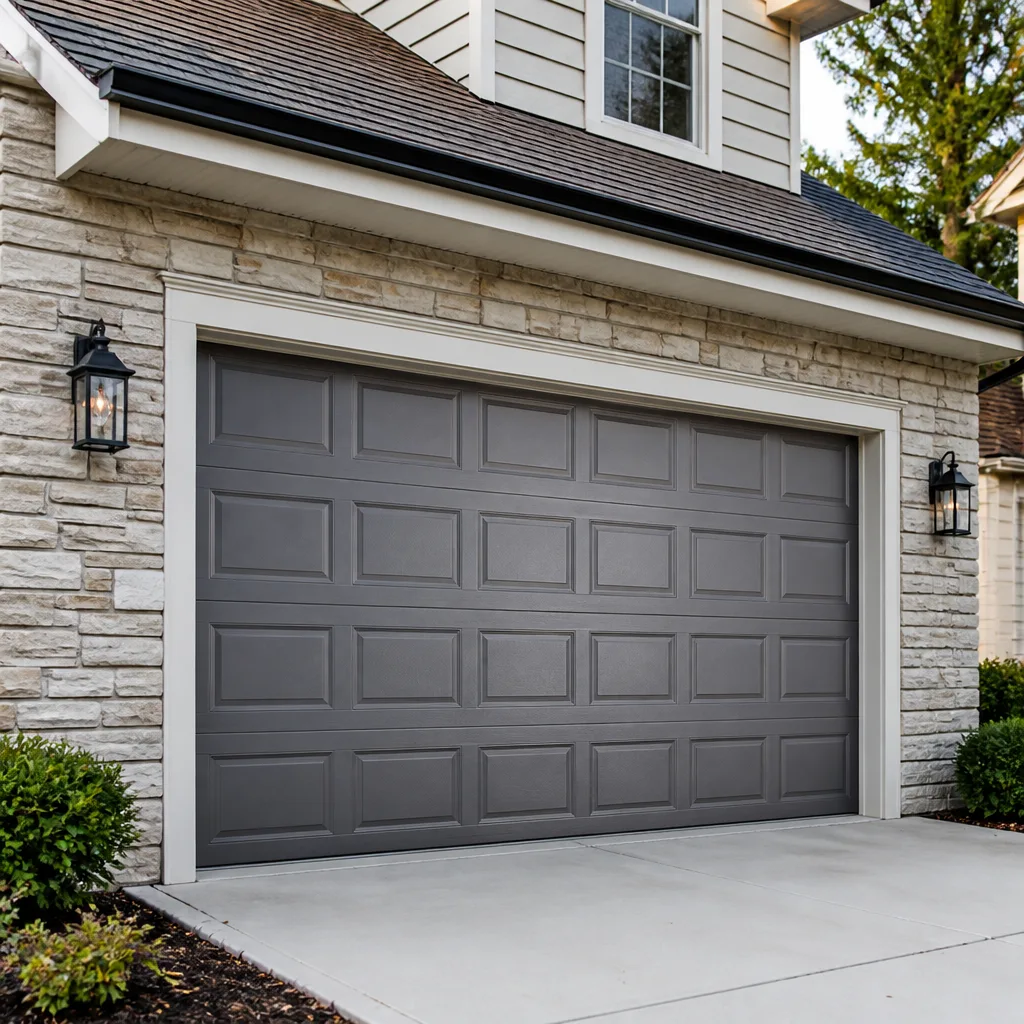 Raised-panel steel
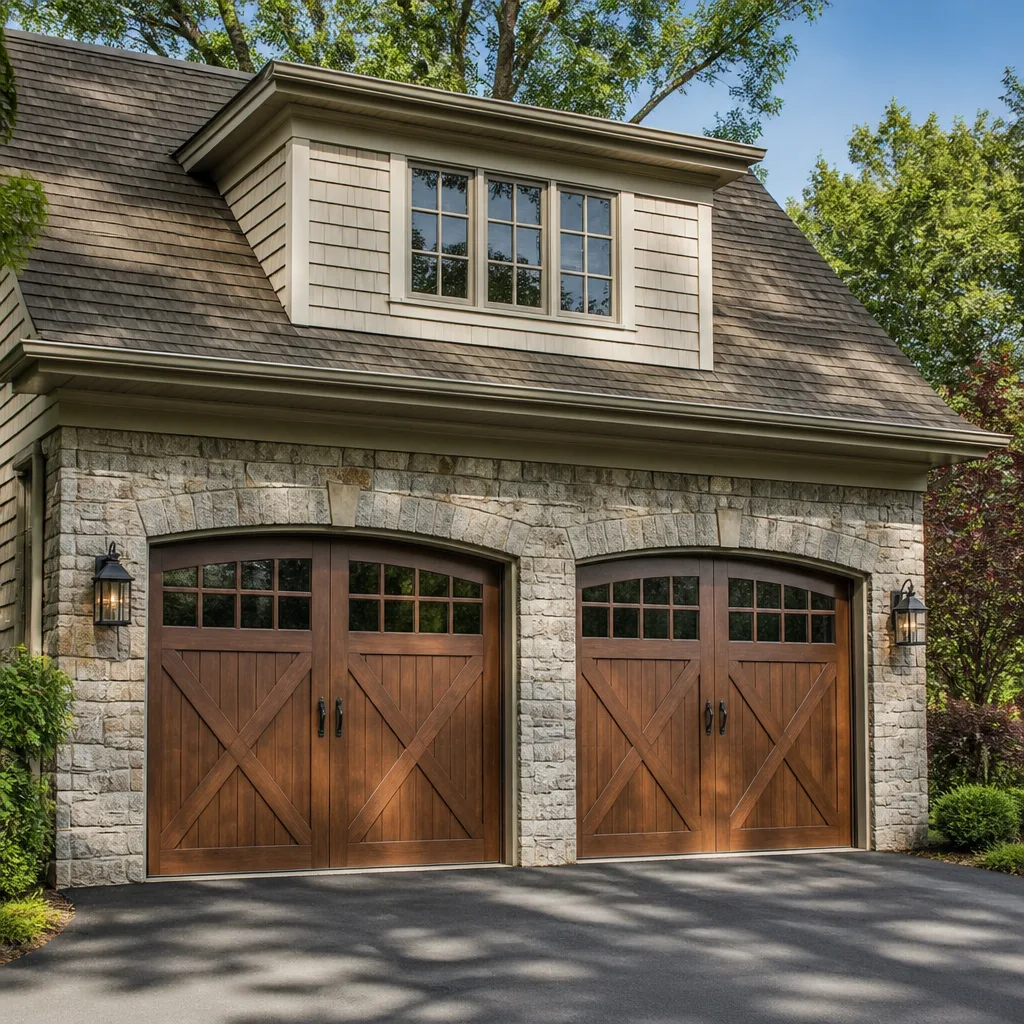 Carriage house
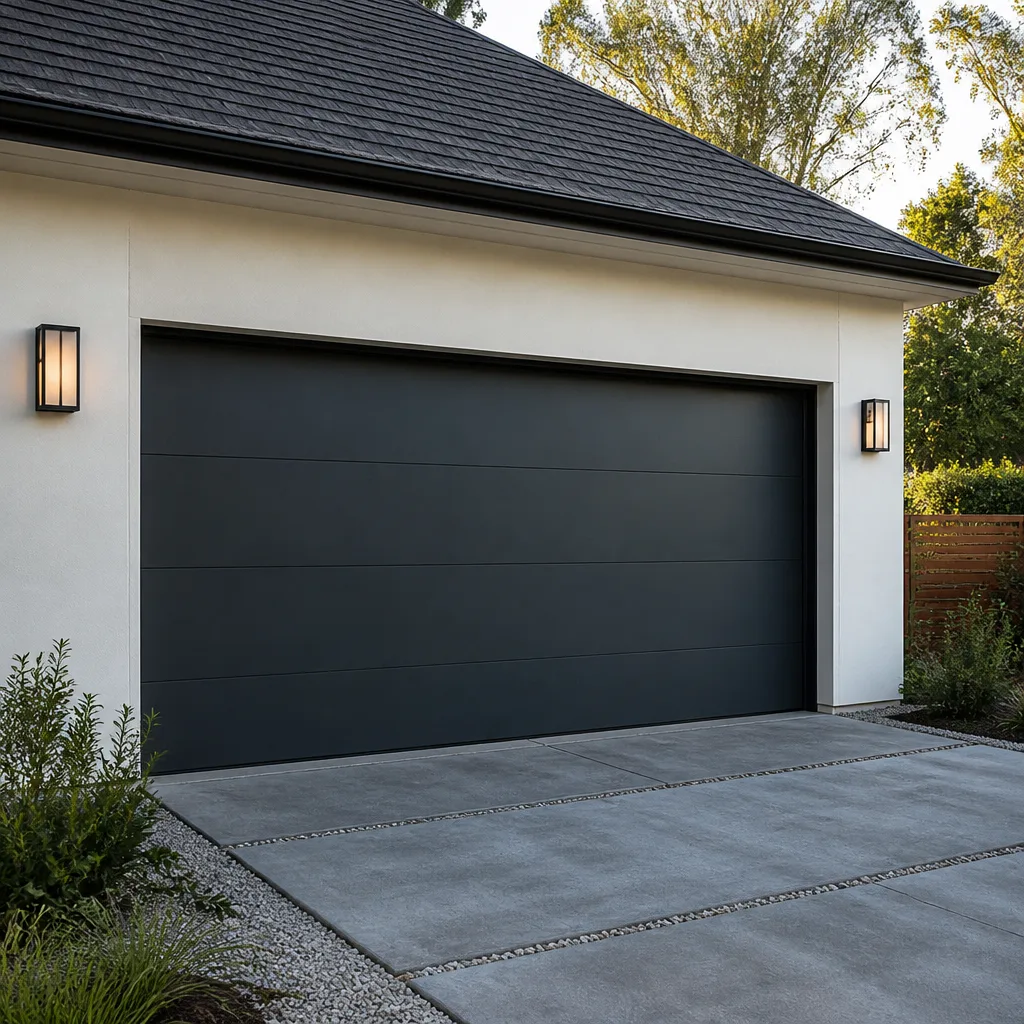 Modern flush
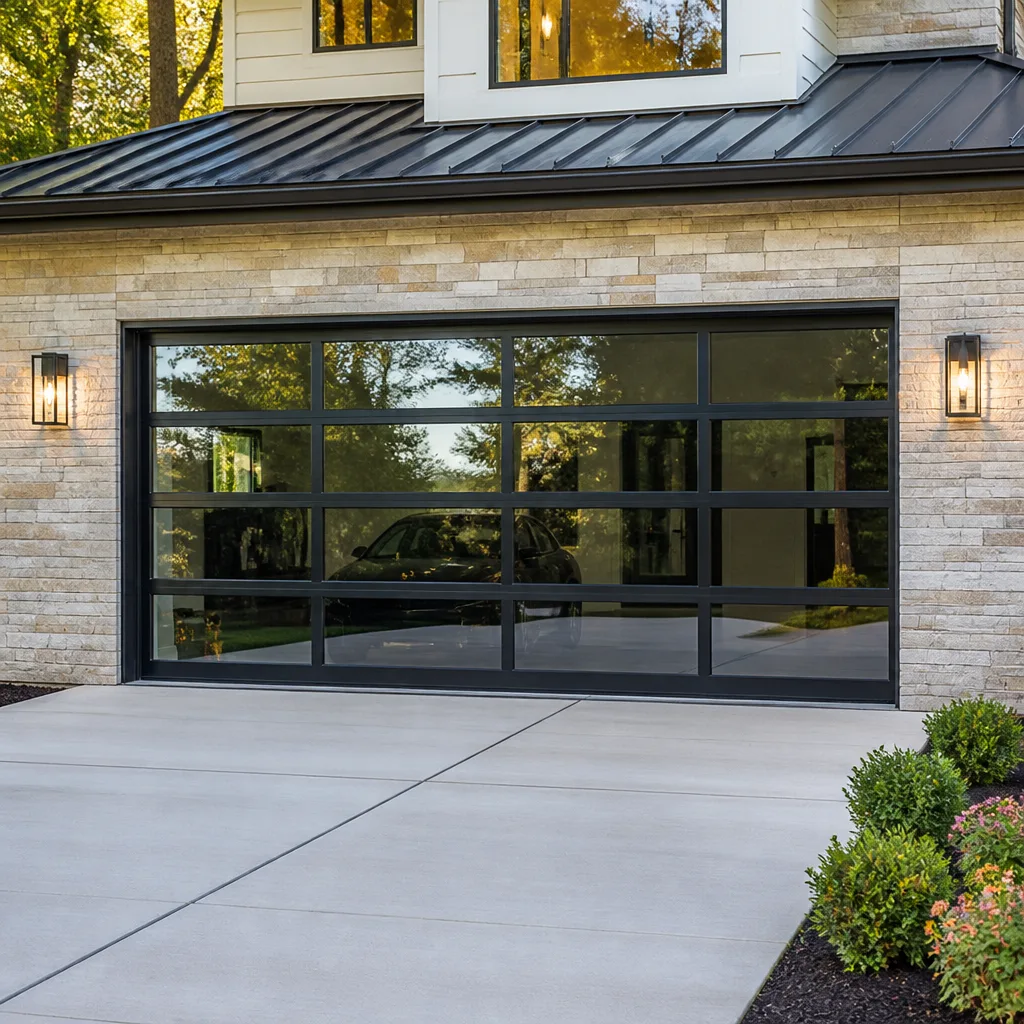 Full-view glass
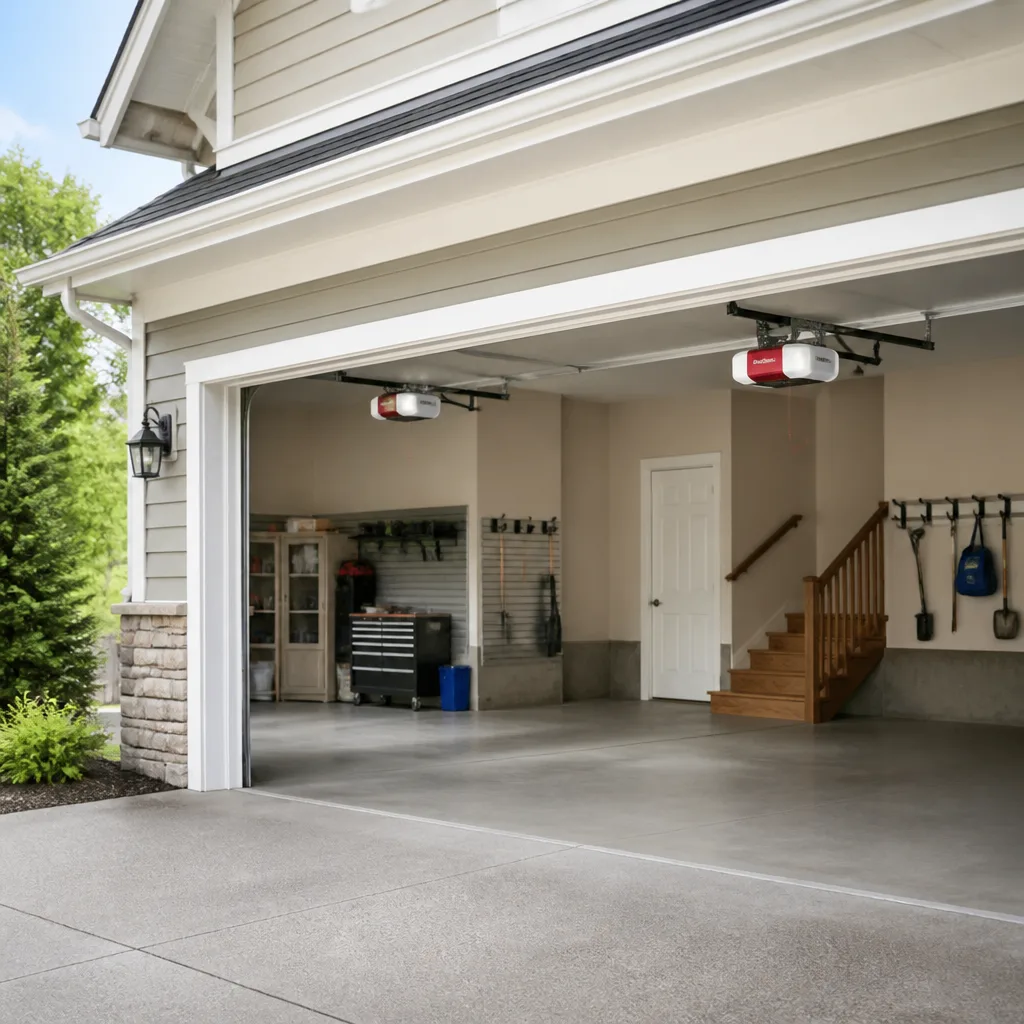 LiftMaster openers
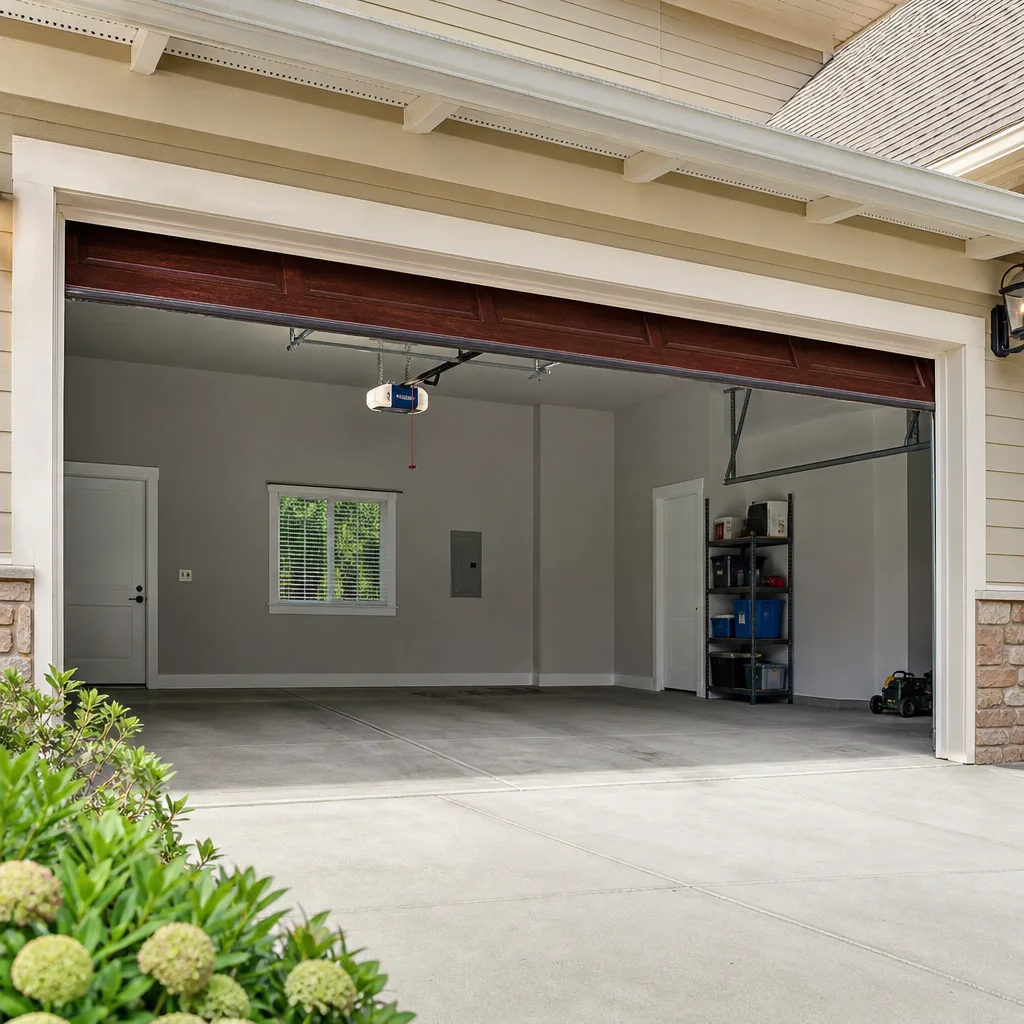 Chamberlain openers
Full 25-point door and opener safety check with every visit - springs, cables, rollers, tracks, and your LiftMaster or Chamberlain opener included
You get a price before we start. It does not change when the truck arrives.
Get your free estimateDIY vs Professional Garage Door: The Dallas Homeowner’s Decision Guide
Torsion springs store enough energy to break a wrist or jaw when released improperly. That’s not a sales scare tactic. It’s why OSHA classifies spring adjustment as a task requiring specialized training. But lubricating those same springs? Completely safe, takes four minutes, and extends their life by years. This guide draws the honest line between what a competent Dallas homeowner can safely handle and where the physics make professional service non-negotiable, and points you to more guides & resources for ongoing maintenance. You’ll learn which tasks are genuinely DIY-appropriate, what they actually cost in parts, and how to use a written professional quote to make a smarter financial decision.
Styles & brands we work with
Quick Answer
Most garage door maintenance tasks are safe for homeowners, but anything touching a torsion spring, lift cable, or bottom bracket is not. In Dallas, DIY-appropriate work like lubrication, sensor realignment, and weatherstrip replacement saves roughly $85 to $180 per job in labor. Professional service becomes non-negotiable on spring work, cable replacement, and off-track doors, where the injury risk is real and the cost of a mistake exceeds the cost of the repair.
Table of Contents
- The Real Divide: Risk, Not Cost
- DIY-Safe Tasks: What You Can Do This Weekend
- Professional-Only Tasks: Where the Physics Win
- Cost-Honest DIY Savings Analysis
- Why Dallas Heat Changes the DIY Equation
- How to Use a Written Quote to Make a Smarter Decision
- Common Mistakes to Avoid
- When to Call a Professional
- Frequently Asked Questions
- The Bottom Line
The Real Divide: Risk, Not Cost
The DIY-versus-professional conversation for garage doors almost always starts with money. That’s a mistake. The actual dividing line is risk, specifically which components store dangerous energy and which ones don’t. Most online content lumps all garage door work together, either scaring homeowners away from safe maintenance or encouraging them toward genuinely dangerous repairs. Neither serves you.
Here’s the framework we use when a Dallas homeowner asks us what they can handle themselves. The question isn’t whether you’re handy. It’s whether the part you’re touching is under tension. A torsion spring, the large coil mounted above the door that does most of the lifting, holds several hundred pounds of torque even when the door is closed. If it releases unexpectedly, the winding bar becomes a projectile. That’s the line. Everything on one side of it is fair game for a competent homeowner. Everything on the other side needs a trained professional with the right tools and, frankly, the right insurance.
What gets lost in most DIY discussions is that the garage door industry itself benefits from confusion here. When homeowners are afraid to lubricate a hinge, they call a service company for a $129 maintenance visit that takes twenty minutes. When they’re not afraid enough of a frayed cable, they end up in an emergency room. This guide exists to cut through both problems. We’ve been repairing doors in Dallas since 2001, and we’d rather you know exactly what you can safely do yourself than pay us for something you don’t need us for. It builds the kind of trust that makes you call us when you actually do.
DIY-Safe Tasks: What You Can Do This Weekend
These tasks require no special tools beyond what most households already have, carry no meaningful injury risk when done with basic care, and genuinely extend the life of your door. We perform these same tasks on professional maintenance visits, and we’ll tell you exactly what we do so you can decide whether to do it yourself or hire it out, or follow our Garage Door Repair Maintenance Checklist for Dallas Homeowners.
1. Lubricating Rollers, Hinges, and Springs
This is the single highest-value maintenance task for Dallas homeowners. Our summers run hot and dry, which accelerates wear on moving metal parts. Use a white lithium grease or silicone-based garage door lubricant, never WD-40, which is a solvent, not a lubricant. Apply to the rollers (the wheels that ride in the tracks), the hinges between door panels, and yes, the torsion spring itself. Lubricating a spring is safe. The spring is under tension, but you’re not releasing that tension. You’re applying a coating to the coil. Four minutes of work, twice a year, and you’ll measurably extend spring life and reduce door noise.
2. Realigning the Safety Sensors
Those two small units mounted near the floor on either side of the door opening are photo-eye sensors. If the door reverses immediately after touching the floor, or refuses to close at all, a misaligned sensor is the most common cause. Each sensor has a small LED light. If one or both are blinking or dark, gently adjust the sensor’s angle until the lights are steady. This requires no tools and takes about five minutes. It’s a genuinely safe task, and one of the most common service calls we take could have been solved this way.
3. Replacing the Bottom Weatherstrip
That rubber strip along the bottom of the door gets brittle in Dallas heat after a few summers. A cracked or missing weatherstrip lets in dust, pests, and hot air. The replacement process involves pulling out the old strip from the retainer channel and sliding in the new one. You can buy the material at any hardware store for about $15 to $30. This is a thirty-minute job for a first-timer.
4. Operating the Manual Release
Every garage door opener has a red emergency release cord hanging from the trolley carriage, the mechanism that moves along the rail and connects the door to the opener. When you pull that cord, the door disengages from the opener so you can operate it manually during a power outage. Knowing how this works before a storm hits is the smartest five-minute education you can give yourself. Pull the cord once while the door is closed, then practice opening and closing the door by hand. You’ll need to know this if a Dallas thunderstorm knocks out power and your car is trapped inside.
5. Adjusting the Limit Switch on Most Openers
The limit switch tells your opener how far up and how far down the door should travel. If your door doesn’t close all the way, or hits the ground and reverses, this adjustment is often the fix. On LiftMaster and Chamberlain openers, there are small plastic dials on the motor unit, usually labeled “up” and “down.” On Genie units, the adjustment is often located on the side of the opener. This is a low-risk adjustment you can make in under ten minutes with a flathead screwdriver. Consult your manual for your specific model. If the adjustment doesn’t fix the problem, stop there and call us, because the next step may involve the force settings, and those interact with the door’s balance.
Professional-Only Tasks: Where the Physics Win
This section explains what a professional does and why a homeowner should not. We’re not going to give you step-by-step instructions for these tasks, because that would be irresponsible. What we can do is explain the mechanics so the risk is clear.
Torsion Spring Adjustment or Replacement
The torsion spring is mounted on a metal bar above the door opening. When the door closes, the spring winds up, storing energy. That stored energy is what lifts the heavy door, often 150 to 300 pounds of it, on the way back up. A standard residential torsion spring under full tension can hold 200 to 400 pounds of torque. Winding a torsion spring requires inserting steel winding bars into specifically sized holes on the winding cone and rotating the spring a precise number of quarter-turns. If a bar slips, or the cone fails, or you lose your grip, the stored energy releases instantly. The industry sees broken wrists, fractured jaws, and worse from exactly this scenario every single year. Even professionals treat this job with focused respect, using hardened winding bars of the correct diameter, never screwdrivers or pry bars. A spring that breaks while you are working on it does not give you a warning. This is why we say it plainly: torsion spring work is not a DIY task, ever, no exceptions.
Cable Replacement
The lift cables run along both sides of the door and connect the bottom brackets to the drum at the top of the torsion bar. Those cables carry the full weight of the door during every cycle. Replacing one requires disconnecting the spring tension because the cable and the spring work as a single system. A novice replacing a cable without properly de-tensioning the spring creates a scenario where the spring can unwind violently or the door can fall. This is a professional task because fixing the cable incorrectly means the door is not safely balanced, and a door that is not balanced can fall at any time. In Dallas, we respond to cable failures regularly, and the cost of a professional cable replacement is dramatically lower than the cost of the damage a fallen door can cause.
Bottom Bracket Work
The bottom brackets are the metal fixtures at the lowest corners of the door where the lift cables attach. These brackets are under constant tension from the cables. Replacing one requires supporting the door’s full weight, releasing cable tension, and then re-tensioning the entire system correctly. This is not a job for a socket set and confidence.
Off-Track Correction
A door that has come off its track is a sign of something bigger, often a broken spring, a snapped cable, or a vehicle impact. Forcing the door back onto the track without addressing the underlying cause leaves you with a door that will likely come off again, possibly while someone is under it. Professional correction includes inspecting every roller, the track alignment, and the door balance. In our experience with Dallas homes, we’ve seen off-track doors that homeowners “fixed” themselves come back off within a week, usually with more damage than before.
Cost-Honest DIY Savings Analysis
Let’s ground the DIY decision in real Dallas numbers. Here’s what three common DIY-appropriate tasks actually cost in parts, and what the labor portion of a professional visit typically runs. These are ranges we’re comfortable quoting for the Dallas market as of this writing, and they’re the same numbers we give over the phone.
- Weatherstrip replacement: Parts run $15 to $30 at any Dallas hardware store. A professional replacement typically runs $80 to $130 total, labor included. DIY savings: roughly $50 to $100.
- Sensor realignment: Free if you already own a screwdriver or can adjust by hand. A service call for sensor issues in Dallas typically runs $85 to $125. DIY savings: $85 to $125.
- Full lubrication service: A can of silicone lubricant costs about $8 to $15 and lasts for multiple applications. A professional lubrication and inspection visit in Dallas typically runs $99 to $150. DIY savings: $85 to $140 per service.
These are genuine savings, and we don’t talk you out of them. What you should know is what you’re not getting with a DIY approach: a trained eye on the parts you might not think to inspect. During a professional lubrication visit, we’re also checking spring wear and door balance. The value isn’t the lubricant. It’s the early detection of a spring that is about to fail. But if you’re comfortable inspecting for obvious wear while you lubricate, the DIY route is reasonable.
Why Dallas Heat Changes the DIY Equation
Dallas summers are hard on garage doors in ways that cooler climates don’t experience. Average July highs run in the high 90s, and attic and garage temperatures regularly climb 20 to 30 degrees above that. That heat accelerates the breakdown of rubber components, causes metal to expand and contract through more extreme daily cycles, and dries out the lubrication on moving parts much faster than in, say, a coastal or northern climate.
What this means practically: if you live in Dallas, the lubrication schedule matters more than the national average recommendation. Twice a year is the floor, not the ceiling. We recommend early spring and mid-fall for most Dallas homes, but if your garage faces west and bakes in the afternoon sun, consider adding a mid-summer application. The rollers and hinges that get noisy in August are telling you they’re dry, and dry metal-on-metal wear shortens the life of every moving component.
The heat also affects weatherstripping. Dallas homeowners should expect to replace bottom seals every two to four years, not the five to seven years you might see in general guides written for milder climates. A cracked bottom seal lets hot air in, which matters if you have a room above the garage or use the space as a workshop. It also creates a path for the insects that thrive in Texas summers. If you can see daylight under the closed door, replace the seal. It’s a DIY job, and the parts are cheap.
One more Dallas-specific note: our storms matter. When a severe thunderstorm knocks out power, the manual release becomes your only way to get your car in or out. We recommend Dallas homeowners test the manual release on a clear day, not during a storm. It takes five minutes and turns a stressful situation into a routine one.
How to Use a Written Quote to Make a Smarter Decision
Most homeowners think about quotes as something you get when you’ve already decided to hire someone. That’s backwards. A written quote is a diagnostic tool, and using it well can save you real money, whether you hire the professional or not.
Here’s the process we recommend to every Dallas homeowner who calls us with a question. Ask for a written quote. Not a verbal estimate. A written price that breaks down parts and labor. A written quote tells you exactly what you’re being charged for. When you see that a weatherstrip replacement is $15 in parts and $95 in labor, you have a clear decision: is the hour it will take you worth $95 in saved labor? For a retired homeowner on a fixed income, maybe yes. For a working parent whose weekends are spoken for, maybe not. Both answers are correct.
At Doyle Garage Doors Dallas, the price is written down and handed to the customer before a single bolt is turned. This is not a courtesy. It’s our standard operating procedure, the no-hassle upfront pricing commitment we’ve run on since 2001. You can use that same standard to test any company you’re considering: if they won’t put the price in writing before the work starts, call someone else.
The quote also tells you what parts a professional would use. If you take the quote and decide to do the work yourself, you now know the exact part name and specification to buy. That’s a smarter trip to the hardware store than guessing. For more context on what professional repair involves, see our guide to Garage Door Repair in Dallas.
Common Mistakes to Avoid
- Using WD-40 as a garage door lubricant. WD-40 is a solvent and water displacer, not a lubricant. It will clean away the existing lubricant and leave the parts drier than before. Use a silicone-based or white lithium grease product made for garage doors.
- Attempting a torsion spring repair with screwdrivers or pry bars. Torsion springs require proper winding bars of the correct diameter for the specific cone size. Improvised tools slipping from a cone under tension is one of the most common mechanisms of serious DIY injury.
- Ignoring a noisy door for months. A door that suddenly starts grinding or squeaking is telling you something. Noise means dry metal contact, and dry metal contact accelerates wear. In Dallas heat, that timeline is faster. Lubricate at the first sign of new noise.
- Disconnecting the manual release while the door is up. If the door is open and the spring is weak or broken, pulling the release cord can send the door crashing down. Always pull the release cord with the door fully closed.
- Assuming a door that reverses is always a sensor problem. If the door reverses partway down, it could be a sensor, but it could also be a limit switch setting, a force setting issue, or a door out of balance. A balanced door should stay in place by hand at the halfway point. If your door drops or rises on its own, you have a spring problem, not a sensor problem.
- Deciding to DIY before getting a professional quote. The quote is the smartest first step for any repair, DIY or not. It tells you the exact problem, the parts involved, and the labor cost, so your DIY decision is informed rather than guessed.
When to Call a Professional
Call a professional if the door has a broken spring, a frayed or snapped cable, a damaged bottom bracket, or if the door has come off its tracks. Call if the door is heavy to lift by hand, drops quickly when released, or refuses to stay in place at the halfway point. Call if you have made the DIY adjustments described above and the problem persists. These are the situations where a mistake is expensive and dangerous. Doyle Garage Doors Dallas offers free estimates in Dallas, and every technician arrives with a name and photo sent in advance, a photo ID badge at the door, and a written price before any work starts. Call (972) 362-1457 and a live person will answer, day or night, weekends and holidays included.
Frequently Asked Questions
A torsion spring replacement in Dallas typically runs $180 to $340 depending on the spring size, wire gauge, and whether it’s a single or double spring setup. This is professional-only work. The spring itself retails for $50 to $90, but the labor includes balancing the door, winding the spring safely, and setting the correct tension. Get a written quote before any work starts so you know the exact price. Call (972) 362-1457 for a free estimate.
Yes, lubricating rollers, hinges, and springs is safe and recommended. Applying lubricant to a torsion spring does not release its tension or create any risk, provided you do not insert anything into the winding cone. Use a silicone-based garage door lubricant and apply it twice a year in Dallas.
If the spring breaks while the door is moving, the door will stop moving or fall, depending on its position. Modern openers have safety mechanisms that detect the sudden imbalance and stop, but older openers may not. Do not attempt to open or close the door manually after a spring break. The door’s full weight, often 150 to 300 pounds, is now unsupported. Call a professional immediately. A live person answers at Doyle Garage Doors Dallas 24/7 at (972) 362-1457.
Garage door damage caused by a covered event, such as a storm, fire, or vehicle impact, is generally covered by a standard Texas homeowners policy, subject to your deductible. Wear-and-tear failures like broken springs are not covered. Check your specific policy for the exact terms. Either way, a written quote for the repair is the starting point for any insurance conversation.
Yes, for most repair scenarios we can schedule same-day service in Dallas. Spring replacements, cable failures, and off-track corrections are all jobs we stock parts for on the truck. Call before noon and a same-day visit is typically available. Our trucks carry springs across the common sizes, along with cables, rollers, and brackets, so the repair is completed in a single visit in most cases.
No. At Doyle Garage Doors Dallas, the price is written down and handed to the customer before any work starts. If the technician identifies additional problems during the repair, those are quoted separately in writing before any additional work proceeds. You will never be presented with a higher invoice than the written quote you approved. For new door projects, see our Garage Door Installation in Dallas page, and for opener-specific issues, visit Garage Door Opener Repair in Dallas.
The Bottom Line
The DIY-versus-professional decision for garage doors should be built on risk, not just cost. Lubrication, sensor alignment, weatherstrip replacement, manual release operation, and limit-switch adjustment are safe, meaningful jobs for a Dallas homeowner, and the savings are real, $50 to $140 per task. Torsion springs, cables, bottom brackets, and off-track doors are professional-only work because the physics are unforgiving and the cost of a mistake dwarfs the cost of the repair. The smartest move in either direction is to get a written quote first. It tells you exactly what’s wrong, what the parts cost, and what the labor cost is, so your decision is informed. If you’d like that quote, call Doyle Garage Doors Dallas at (972) 362-1457. A live person answers, and the estimate is free.
Written by Aaron Teague, Owner at Doyle Garage Doors Dallas, serving Dallas since 2001.
See the difference
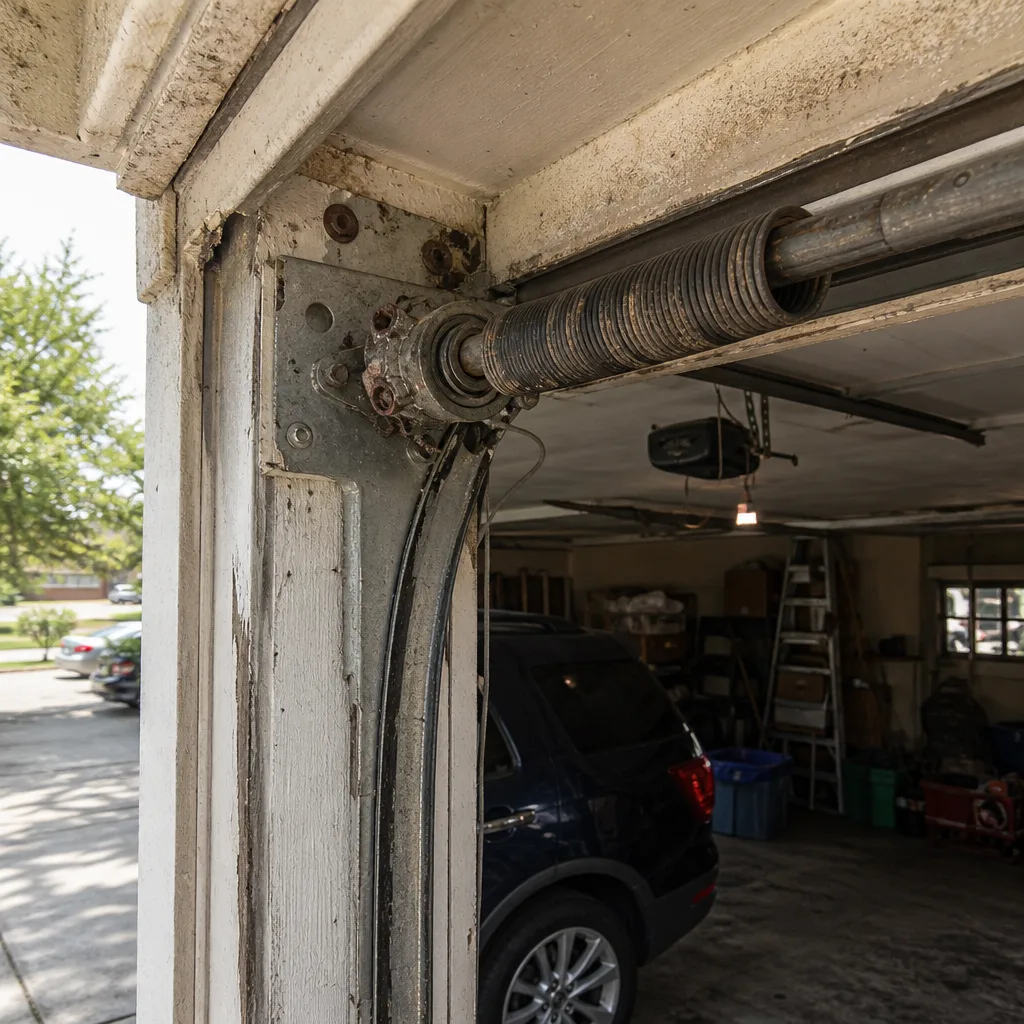 Before
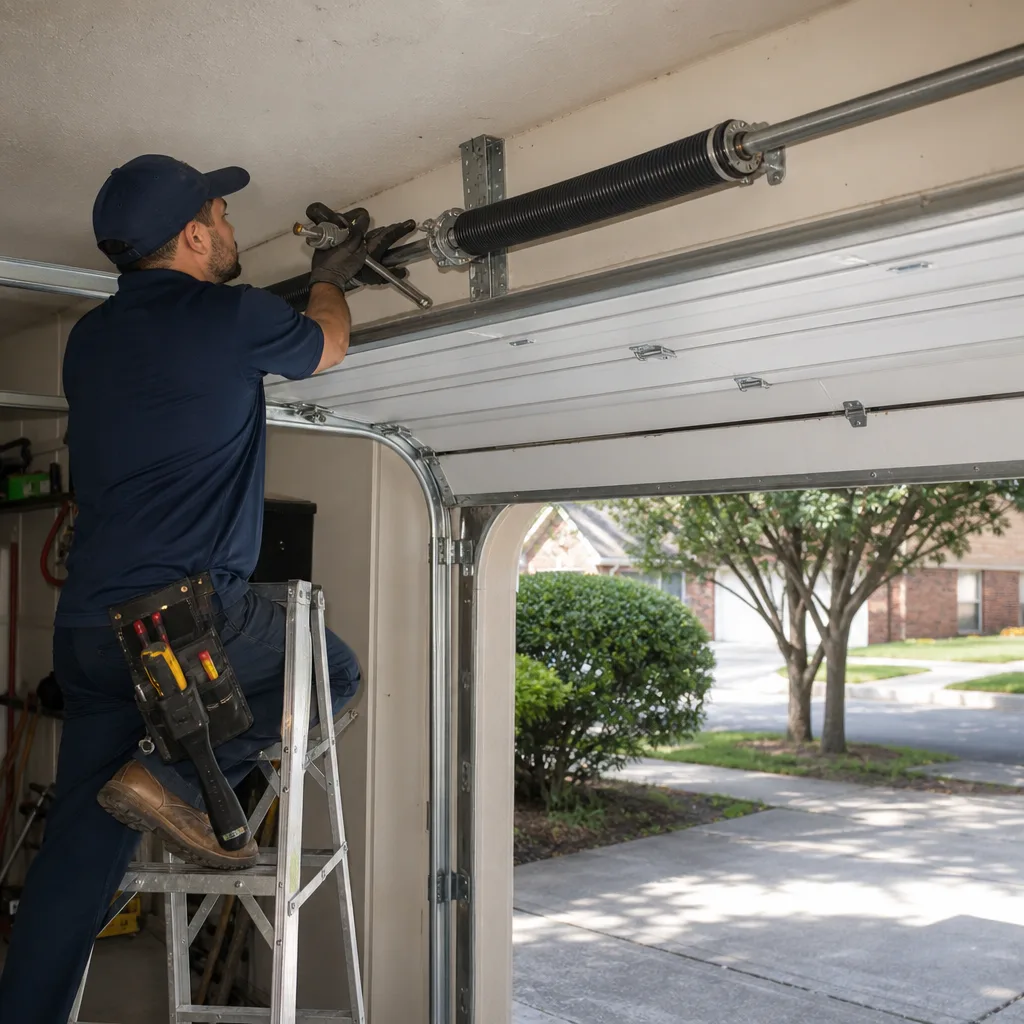 After
After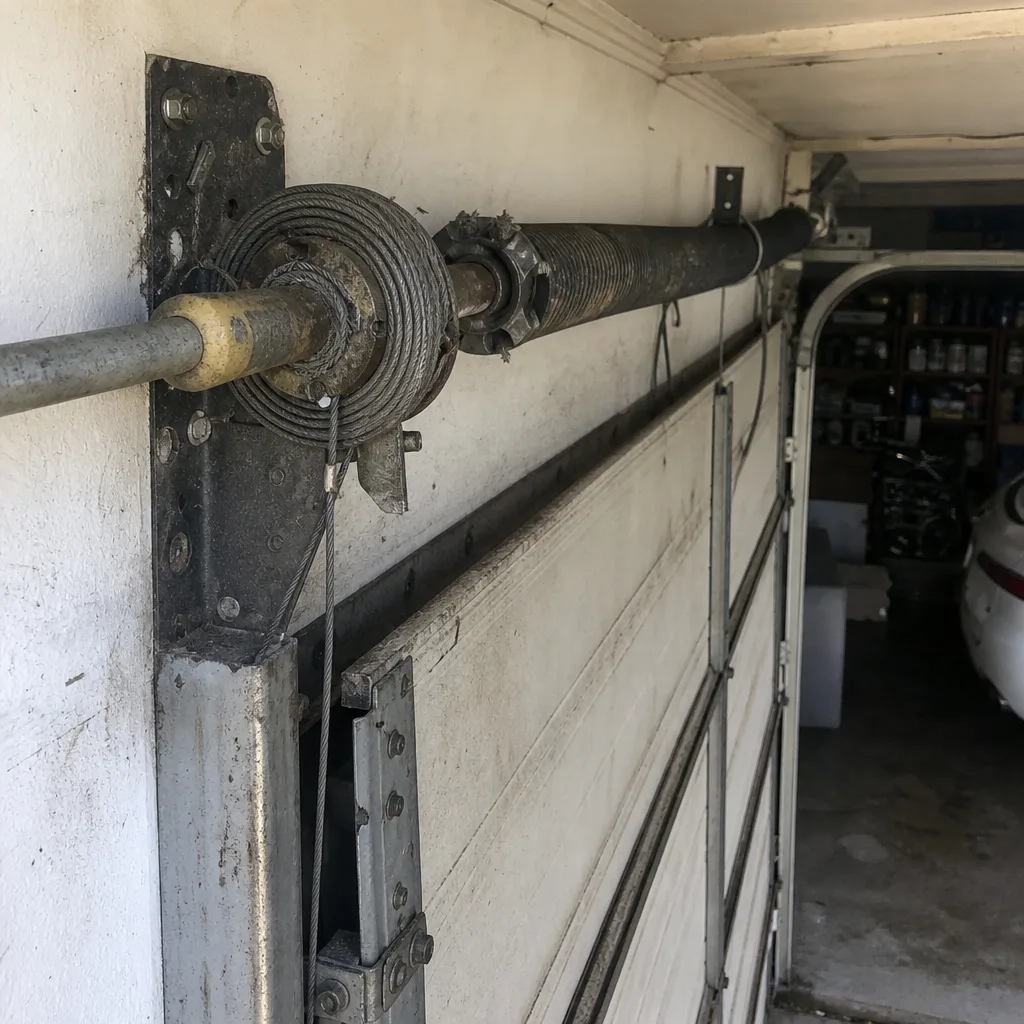 Before
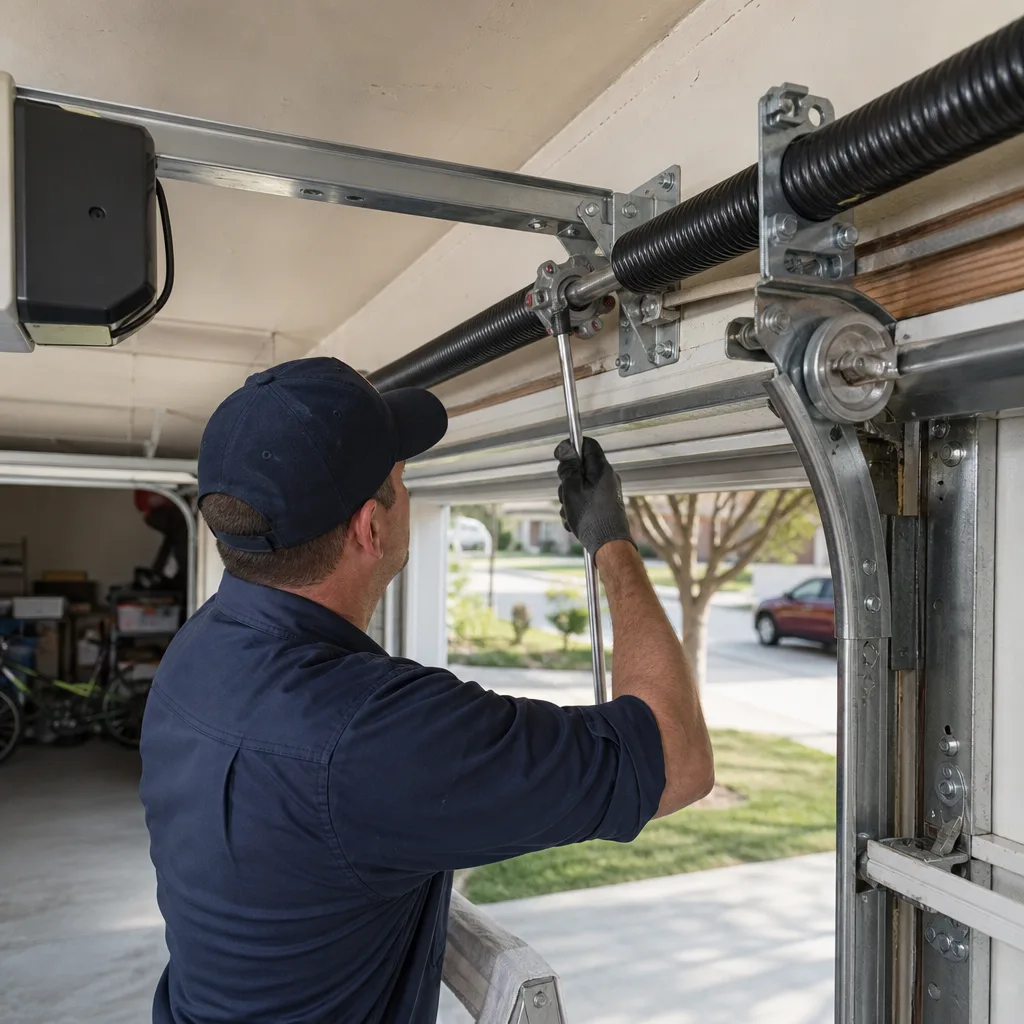 After
After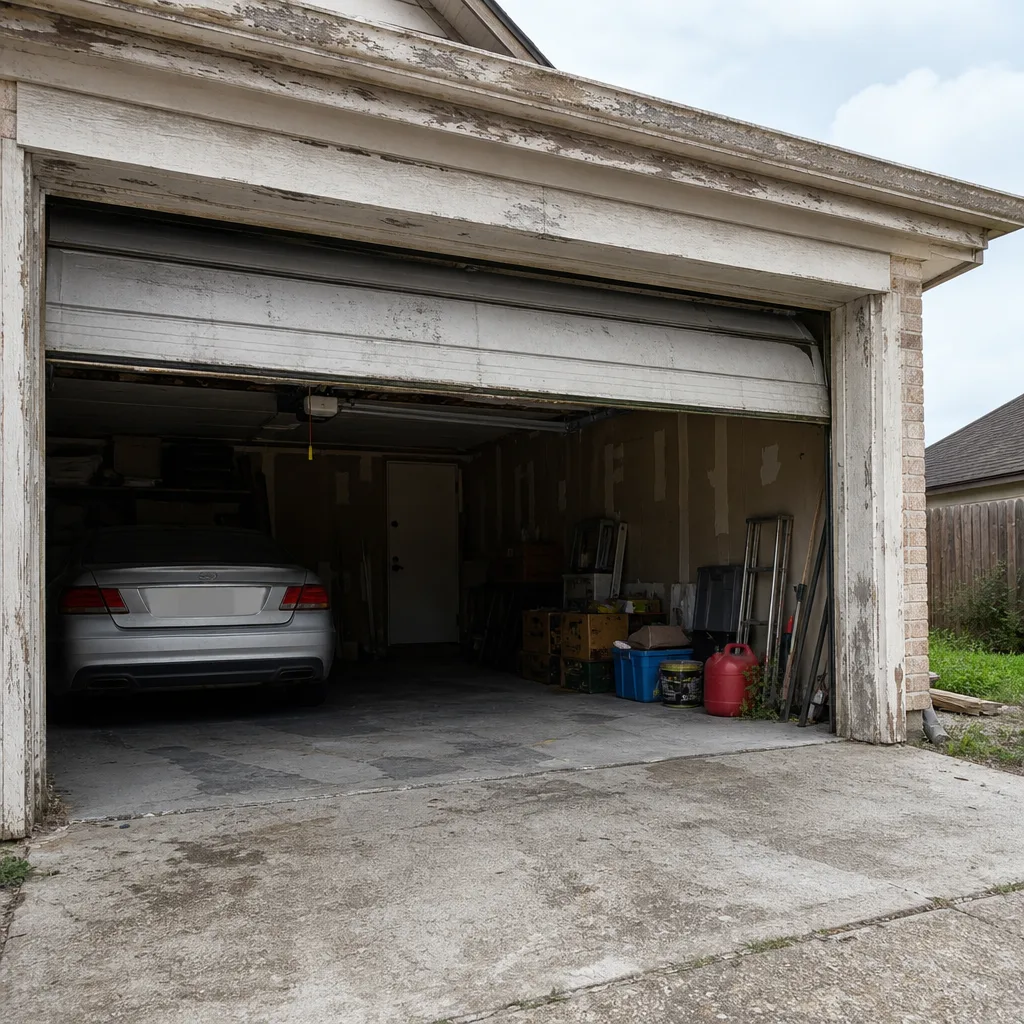 Before
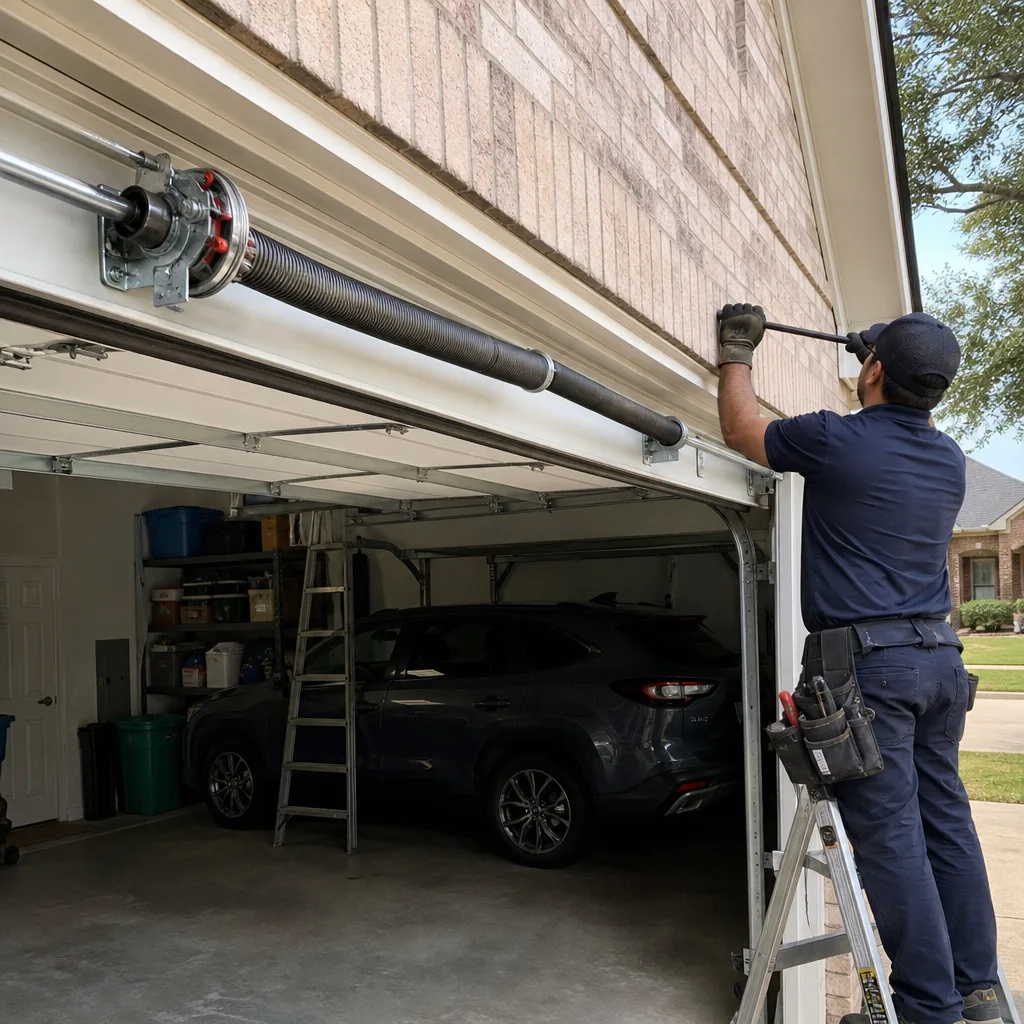 After
After