
Last updated October 16, 2026
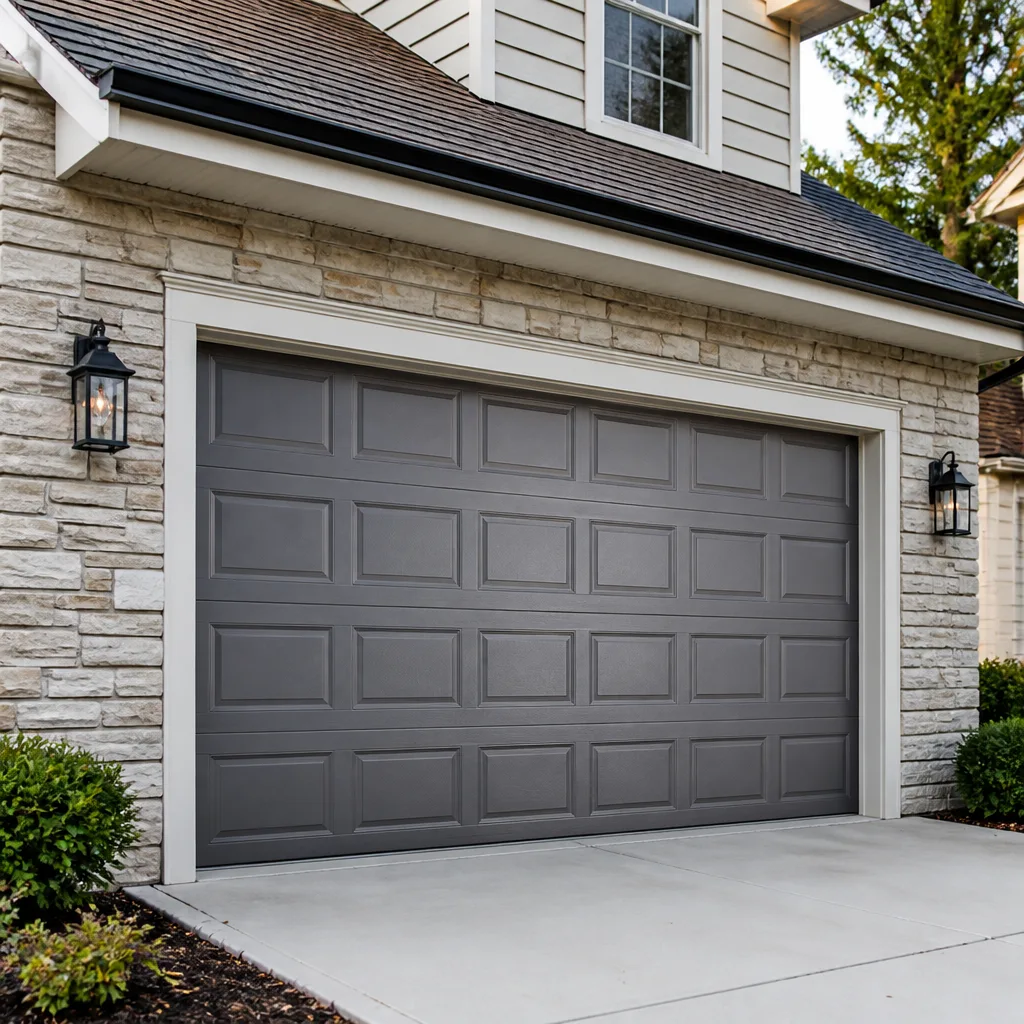 Raised-panel steel
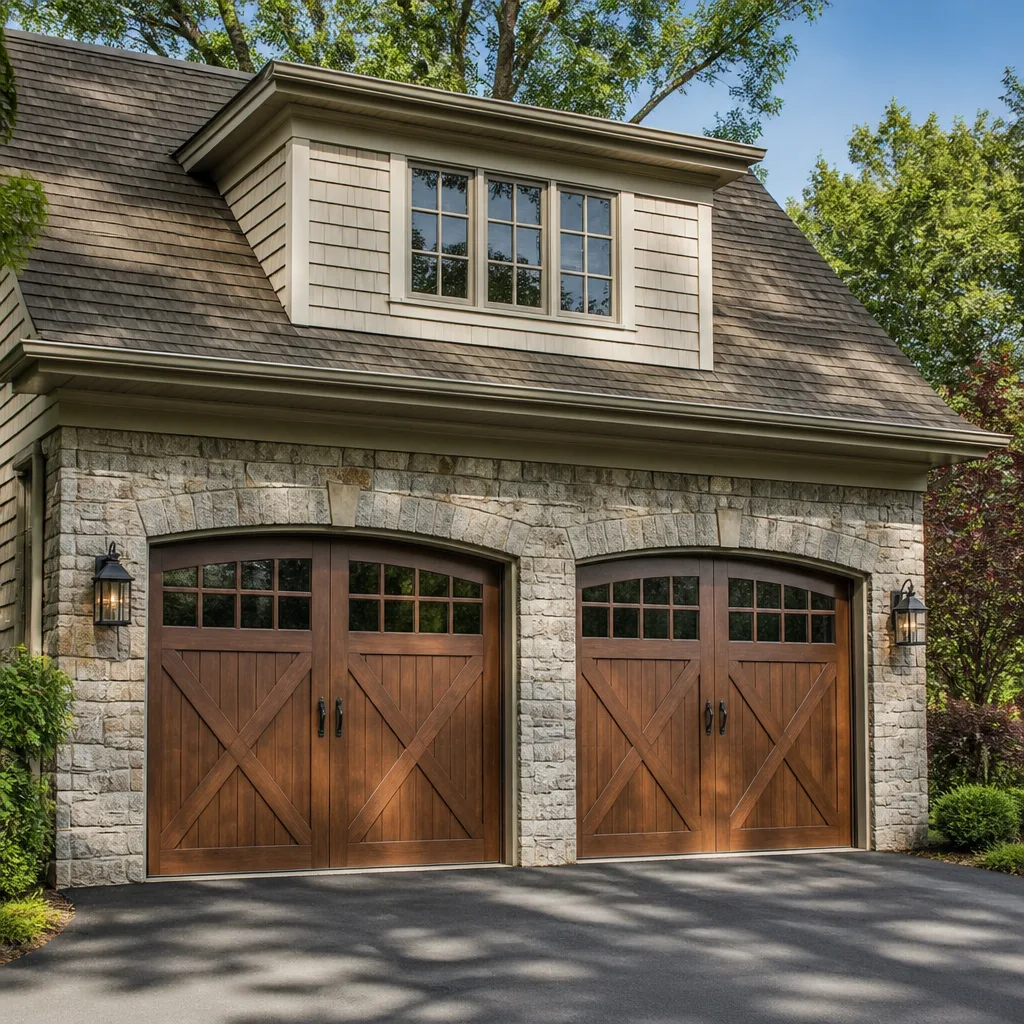 Carriage house
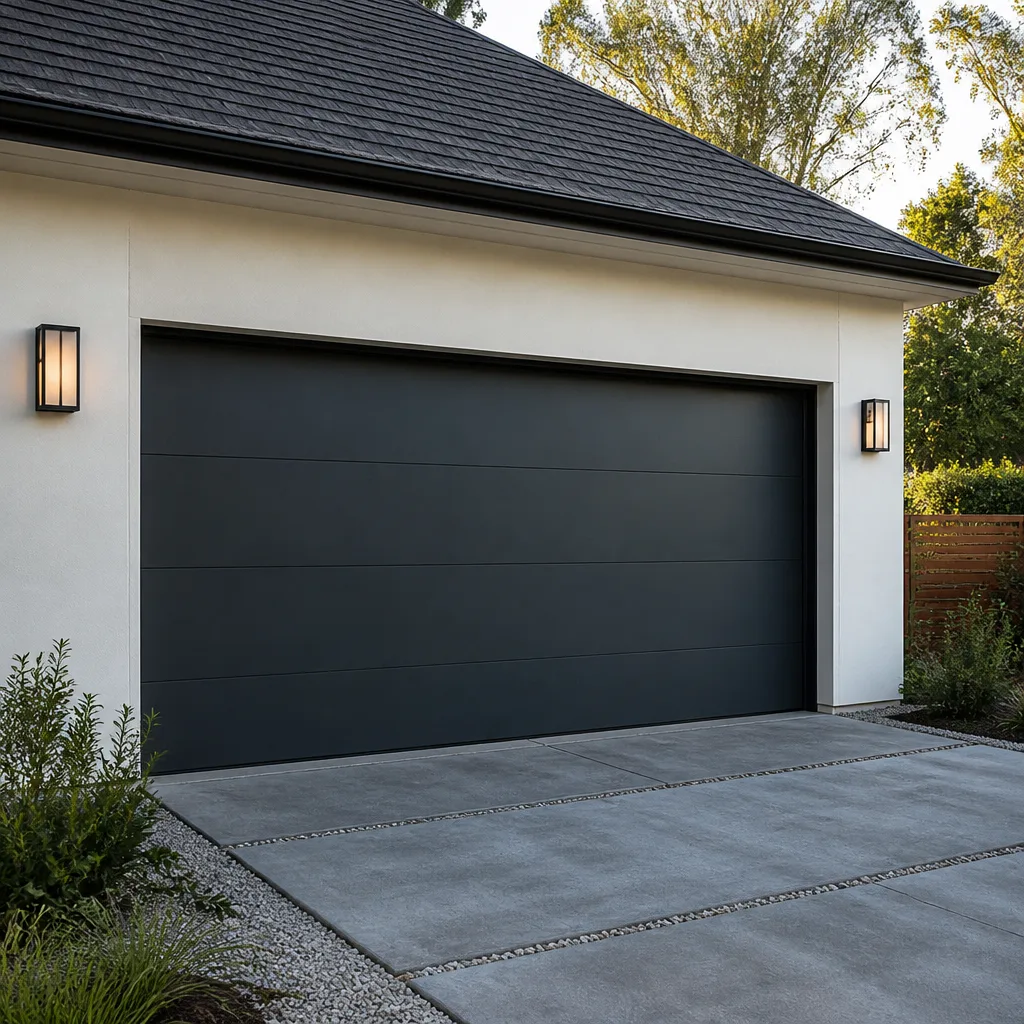 Modern flush
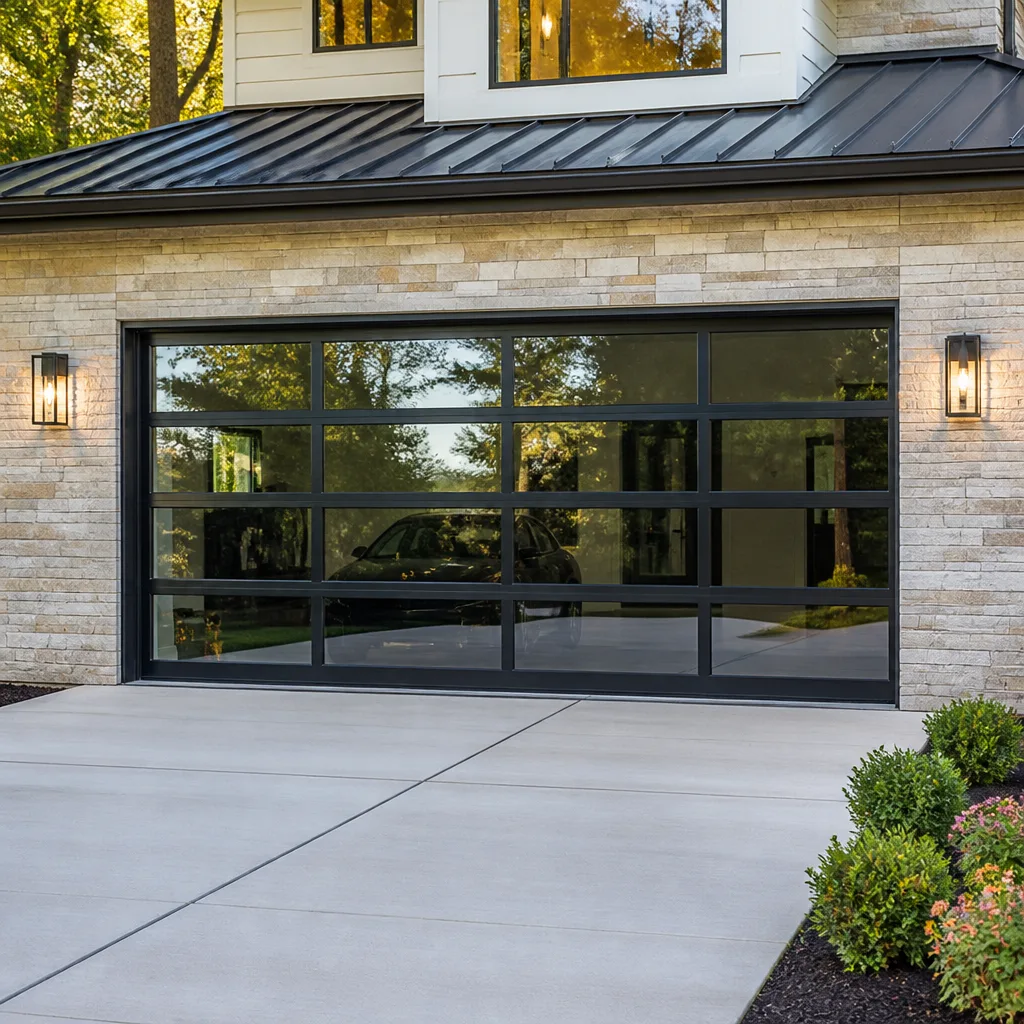 Full-view glass
 LiftMaster openers
 Chamberlain openers
Full 25-point door and opener safety check with every visit - springs, cables, rollers, tracks, and your LiftMaster or Chamberlain opener included
You get a price before we start. It does not change when the truck arrives.
Get your free estimateGarage Door Repair Maintenance Checklist for Dallas Homeowners
Most garage door maintenance checklists you’ll find online are written for a generic American suburb, as if a February freeze in Minneapolis and an August afternoon in Dallas demand the same care. They don’t. The number-one maintenance task most Dallas homeowners skip, lubricating the torsion spring with a non-lithium spray, is also the single action that most extends spring life in our extreme heat. Some national checklists bury it at item nine, if they mention it at all. This guide is different: it is a prioritized, trade-term-backed checklist organized by how often things actually fail in North Texas, not by calendar month, and you can find more guides & resources on our blog. By the end, you’ll know exactly what to inspect, what to lubricate, what to leave alone, and when to pick up the phone.
Styles & brands we work with
Quick Answer
A Dallas garage door maintenance checklist should prioritize lubrication of the torsion spring and hinges every 90 days, a 15-second balance test every other month, and visual inspection of weatherstripping for UV heat damage each spring, because extreme heat and humidity are the dominant failure triggers in North Texas. The most commonly skipped but highest-value task is spraying the torsion spring coils with a non-lithium lubricant, which directly extends spring life in temperatures that regularly exceed 100°F. Most homeowners can handle visual inspection and lubrication themselves, but spring tension adjustment, cable replacement, and bottom bracket work should always go to a trained technician.
Table of Contents
- The 15-Second Balance Test: Your Spring Health Check
- Lubrication in Dallas Heat: What to Use and What to Skip
- Weatherstripping: The UV Failure Point Most Checklists Miss
- Rollers, Hinges, and Hardware: Tighten, Inspect, Replace
- Opener and Safety Reverse Check: Two Minutes That Prevent Injury
- What’s DIY-Safe and What Requires a Technician
- What Garage Door Maintenance and Repair Costs in Dallas
- Common Mistakes to Avoid
- When to Call a Professional
The 15-Second Balance Test: Your Spring Health Check
Every garage door has either torsion springs, the large coils mounted on a metal shaft above the door opening, or extension springs, the long springs that stretch along the horizontal tracks on either side. These springs carry the entire weight of the door every time it moves, and in Dallas, they work harder than they would almost anywhere else. Heat accelerates metal fatigue. A spring that would last twelve years in Ohio might give out in seven here. The balance test tells you how much life is left in them, and it takes less time than checking your phone.
Here is how to run the test:
- Close the garage door completely.
- Pull the red emergency release cord hanging from the trolley carriage, the mechanism that connects the door to the opener rail. This disconnects the door from the opener so you’re testing the door alone, not the motor.
- Lift the door manually by its handle to about waist height and let go.
- Watch what happens.
A properly balanced door stays put at waist height or drifts very slightly. A door that drops quickly means the springs are losing tension and working harder than they should. A door that shoots upward means the springs are overtensioned, which is just as problematic. In our experience across Dallas neighborhoods from Lakewood to Preston Hollow, a door that won’t hold at waist height is usually within a few months of a complete spring failure, which is why we recommend reading our Garage Door Warning Signs: A Dallas Homeowner’s Reference Guide. When a torsion spring snaps, the door becomes a dead weight, sometimes over 200 pounds, and it won’t open without help. Catching the imbalance early means you can schedule a spring replacement on your terms instead of discovering the failure when you’re already late for work.
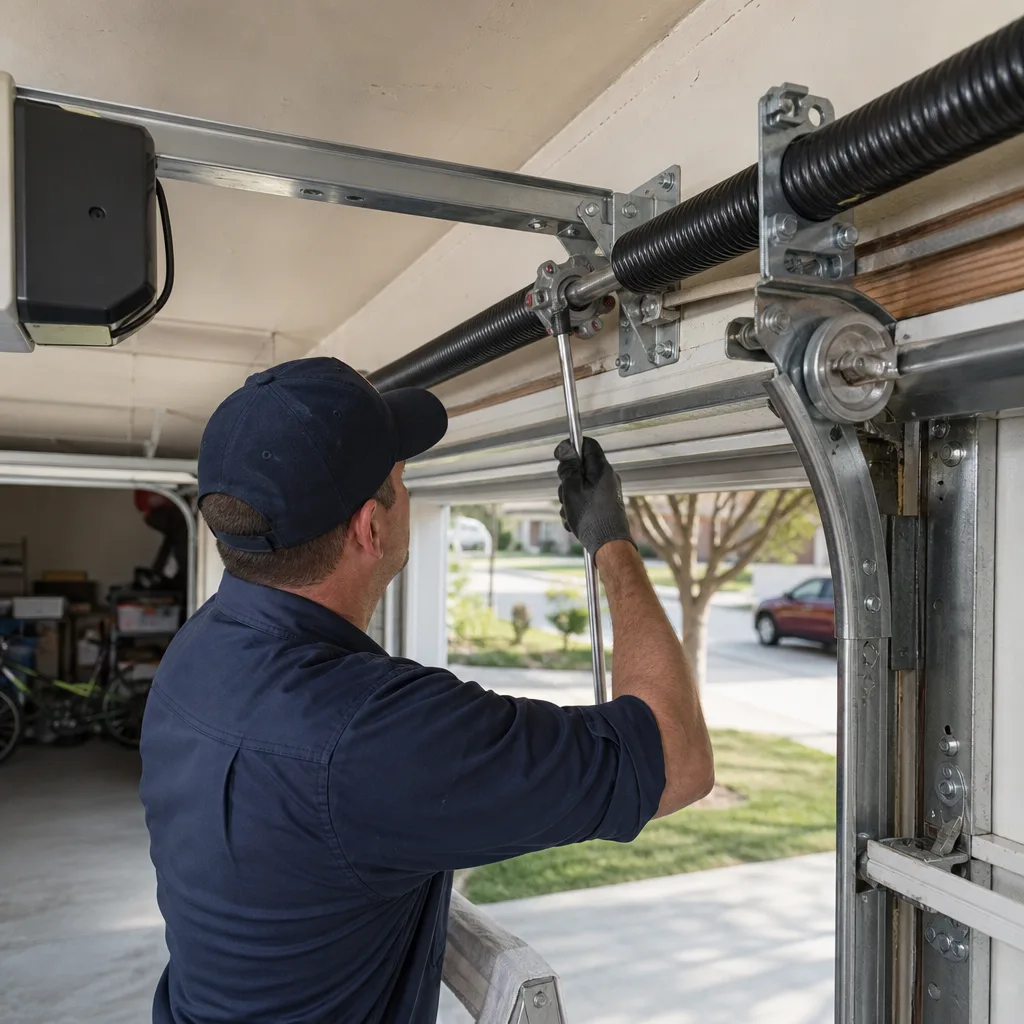
If the door fails the balance test, do not attempt to adjust spring tension yourself. Torsion springs are wound under enormous force, and the winding bars used to adjust them can slip or kick back with enough energy to cause serious injury. This is a job for a technician with the right tools and training. We replace springs throughout Dallas and the surrounding metro every week, and we quote a written price before any work begins so you know exactly what it costs before you commit. For more on spring failure symptoms, see our guide to garage door repair in Dallas.
Lubrication in Dallas Heat: What to Use and What to Skip
This is the task most Dallas homeowners skip, and it’s the one that matters most here. Metal expands in heat. Friction increases. A garage door that runs whisper-quiet in January might groan by June. The fix is lubrication, but not just any product, and the wrong product can make things worse.
Here is the exact approach we recommend:
- Torsion spring: Use a non-lithium spray lubricant, such as a silicone-based or synthetic garage door spray. Spray the coils lightly along their entire length while the door is closed. In Dallas, do this every 90 days. The spring coils rub against each other as they wind and unwind, and keeping them lubricated reduces the friction that contributes to premature metal fatigue.
- Hinges: Spray the pivot points on each hinge, the metal joints that fold as the door sections travel around the curve of the track. You can hit all of them in two minutes.
- Rollers: If your rollers have metal stems and ball bearings, put one short spray at the bearing on each roller. If they’re nylon rollers with sealed bearings, skip them entirely; they’re designed to run dry.
- Opener rail: If you have a screw-drive opener, a thin coat of the manufacturer’s recommended grease keeps the trolley carriage moving smoothly. For belt-drive and chain-drive openers, leave the rail alone except for a light spray on the chain if the manual calls for it.
Now for what not to use. Do not use WD-40 on springs or hinges. It’s a solvent and water displacer, not a lubricant, and it will strip away any protective film and leave metal dry within days. Do not use lithium grease on tracks. The tracks are not a friction surface; grease there collects dust and grit from the Dallas air and forms a paste that makes the door work harder. Do not use motor oil. It drips, it collects debris, and it creates a mess that attracts dust onto every surface it touches.
The payoff for consistent lubrication is real: quieter operation, less strain on the opener motor, and measurably longer spring life. It’s the cheapest preventive maintenance you can do, and it takes under ten minutes.
Weatherstripping: The UV Failure Point Most Checklists Miss
If you look at a generic garage door maintenance checklist, weatherstripping usually appears as a winter-prep item about keeping cold air out. In Dallas, the real threat is the opposite. Our summers deliver weeks of triple-digit temperatures and intense UV exposure. The rubber or vinyl weather seal along the bottom of the door and the vinyl trim around the frame degrade faster here than in cooler, cloudier climates. When that seal cracks, shrinks, or pulls away from the door, it stops doing its job.
Here is what to inspect, in the order failures typically occur:
- Bottom seal along the door edge: Look for cracks, brittleness, or flat spots where compressible rubber has hardened into plastic. Run your hand along it if the door is closed; if it feels stiff instead of flexible, it’s near the end of its life.
- Side and top weatherstripping around the frame: Look for gaps where the strip has separated from the jamb or shrunk lengthwise. Even a half-inch gap at the corner lets conditioned air escape and invites pests.
- Threshold condition at the floor: If you see daylight under the corners of a closed door, the bottom seal isn’t making contact, and that gap is where Dallas’s summer heat, humidity, and insects get in.
Why does this matter in Dallas specifically? Because a failed bottom seal on an attached garage has a direct effect on your electric bill. The garage shares at least one wall with conditioned living space. When the seal fails, your HVAC system works against a leak you may not even notice. And in a city where garages double as workshops, storage spaces, and sometimes home gyms, a two-inch gap is also an open invitation to fire ants, crickets, and the occasional snake seeking shade.
Replacement weatherstripping is inexpensive and available for most door brands, including Clopay and Amarr models common in Dallas. If you’re replacing a bottom seal yourself, make sure you match the retainer style on your existing door; some slide into a T-channel while others screw onto the bottom panel. If the job looks involved or the door is heavy, a technician can handle it during a routine service call.
Rollers, Hinges, and Hardware: Tighten, Inspect, Replace
A garage door opens and closes thousands of times each year, and every one of those cycles sends vibration through the hardware that holds it together. In Dallas, where temperature swings between summer and the occasional hard freeze can cause metal to expand and contract, bolts work loose faster than homeowners expect. A loose bolt on a hinge or track bracket rarely causes a sudden failure. What it does is throw the door slightly out of alignment, which increases friction, which accelerates wear on rollers, hinges, and the opener motor. By the time the door starts binding noticeably, you’re looking at a repair that regular tightening might have prevented.
Set aside fifteen minutes every three months, and walk the door with a socket set or adjustable wrench:
- Check every hinge bolt: Hinges attach the door sections to each other. Give each bolt a quick test with a wrench. If it turns without resistance, snug it down.
- Check the track brackets: Vertical tracks bolt to the wall, horizontal tracks hang from the ceiling. Look for brackets that have shifted or bolts that are backing out.
- Inspect rollers for wear: Rollers with steel stems, if ungreased, wear against the hinge barrel and eventually develop a flat spot or a wobble. Look for rollers that no longer sit square in the track or that make a scraping sound as the door travels.
- Look at cable condition: The lift cables on each side of the door should be straight, with no fraying, kinking, or rust. A frayed cable is a warning sign of uneven spring tension and should be addressed immediately.
One important note on the bottom bracket bolts, the ones that attach the lift cable to the bottom corner of the door. These are bolted to the bracket under tension from the cable. If you notice one is loose, do not tighten it yourself. The cable is under load from the spring, and a slip here can cause the cable to snap loose with enough force to cause serious injury. This is one of the items we classify as technician-only, every time.
If your inspection turns up a roller that’s worn, a simple replacement keeps the door running smoothly and quiet. Many Dallas homes have doors with nylon rollers that last longer than steel, but even those eventually wear. Replacing rollers is straightforward for the middle hinges, but the bottom two rollers on each side sit in brackets under spring tension, and those specific positions should be handled by someone who works on doors professionally.
Opener and Safety Reverse Check: Two Minutes That Prevent Injury
Your garage door opener, whether it’s a LiftMaster, Chamberlain, or Genie mounted on the ceiling, needs less maintenance than the door it operates. But it does need one specific check on a regular basis, and that check is about safety, not performance. Since 1993, every garage door opener sold in the United States has been required to include a safety reverse mechanism: an invisible infrared beam across the door opening that tells the opener to stop and reverse if something blocks the path while the door is closing. It’s the difference between a door that closes on a child’s bicycle and one that stops before it touches it.
Here is the two-minute test:
- Place a solid object, like a two-by-four or a rolled-up towel, in the door’s path on the floor.
- Close the door using the wall button or remote.
- Watch what happens when the door reaches the object.
If the door reverses and goes back up before applying real pressure, the sensor is working. If the door crushes the object or doesn’t reverse until it’s already pressed down hard, the safety reverse is failing, and the sensor needs realignment or replacement. Test this every month. It’s the single most important safety system on your entire garage door assembly, and in a city like Dallas where families use the garage as the primary entry door, it deserves the same attention you’d give a smoke detector.
While you’re at it, listen to the opener during operation. A smooth hum is normal. Grinding, rattling, or a door that stutters during travel suggests the opener is working against mechanical resistance, usually from a dry spring, worn rollers, or a door out of balance. The opener’s motor is not designed to lift a 200-pound door by itself; its job is to assist the springs. When the springs weaken, the opener picks up the extra work, and its motor and gears wear out faster. A failing opener often traces back to a spring issue that a balance test would have caught earlier.
For opener-specific problems, like a door that reverses for no reason or a remote that won’t program, our garage door opener repair in Dallas page covers the most common failure patterns and what they cost to fix.
What’s DIY-Safe and What Requires a Technician
This section exists because every Dallas homeowner should know exactly where the line is. Crossing it can turn a $150 repair into a $1,500 one, or worse.
Here is what you can do yourself with confidence:
- Lubricate springs, hinges, and rollers with the correct product every 90 days.
- Run the balance test and safety reverse test monthly.
- Tighten accessible hinge and track bracket bolts that are not under cable tension.
- Replace the bottom weatherstripping if it slides out of a T-channel retainer.
- Clean the photo eye sensors with a soft cloth if they’re dusty or misaligned.
Here is what requires a trained technician, without exception:
- Adjusting, replacing, or rewinding torsion springs or extension springs. Torsion springs are wound under hundreds of pounds of torque. The winding bars used to adjust them can slip, and when they do, they become projectiles. Extension springs under load store kinetic energy that releases violently if a cable lets go. We cannot state this strongly enough: do not attempt spring work yourself.
- Replacing lift cables or bottom brackets. The cables connect the springs to the door and carry the full weight of the door. When a technician works on them, the spring tension is released first using specific tools and a specific procedure. Without that step, a cable can snap free with enough force to break bone.
- Tightening or replacing the bottom roller brackets. These brackets sit flush against the bottom panel and are attached to the cables. The same tension risk applies.
- Anything involving the opener’s internal gears, logic board, or motor. Modern openers like the Chamberlain B series or LiftMaster units with DC motors are not designed for field repair of internal components. Replacement is usually the answer.
The practical takeaway: if the task involves lubrication, wiping, observing, or tightening a non-tension bolt, you can handle it. If it involves a spring, a cable, or a part that’s under load, call someone who does this work every day. That’s what we’re here for, and we serve all of Dallas with the same promise on every visit: a written price before any work starts, and a 365-day written guarantee on every repair we perform.
What Garage Door Maintenance and Repair Costs in Dallas
Let’s talk about numbers, because walking into a service call blind is unpleasant, and knowing the ranges ahead of time makes you a better decision maker. Here is what homeowners in Dallas typically pay for common maintenance-related repairs, based on the work we perform across the metro area:
- Torsion spring replacement (both springs): $220 to $380 including parts and labor, depending on spring size and door weight. We replace both springs as a set even when only one snaps, because the second is typically near the end of its life too.
- Roller replacement (set of 10 to 12 nylon rollers): $120 to $200, depending on roller quality and door configuration.
- Bottom weatherstripping replacement: $85 to $150 including the new seal and installation.
- Lift cable replacement (pair): $140 to $220.
- Hinge replacement (individual or small set): $60 to $120.
- Opener replacement with a new LiftMaster or Chamberlain unit: $450 to $850 including the opener, installation, and programming.
These are honest ranges for Dallas market pricing, not national averages. Every price we quote is written down and handed to you before we pick up a tool, and that written price is what you pay unless you approve a change in writing first. No verbal wiggle room, no surprise line items at the end.
For broader pricing context across the full range of repair work, including panel replacement and track repair, see our garage door repair pricing guide for Dallas. If you’re considering a full door replacement, our garage door installation page covers the decision points between repairing an older door and installing a new one.
One more thing worth stating clearly: the best maintenance dollars you spend in Dallas are the small ones. A $12 can of silicone spray every 90 days extends a $300 spring set by years. A $130 set of rollers prevents the motor strain that leads to a $650 opener replacement. Maintenance is not an expense; it’s the cheapest repair you’ll ever buy.
Common Mistakes to Avoid
- Using WD-40 on springs and hinges. It’s a solvent, not a lubricant. It strips protective film and leaves metal dry within days, which accelerates friction in the Dallas heat instead of reducing it.
- Greasing the tracks. Tracks are not a friction surface, and anything you apply to them collects dust and grit from the air and forms an abrasive paste that makes the door work harder.
- Skipping the balance test for years at a time. A door that fails the balance test is telling you a spring is failing. Ignoring that warning means you’ll eventually discover the failure when the door won’t open and you’re late for work, which is the most expensive way to learn.
- Tightening a bolt on the bottom bracket or cable without understanding the tension load. This is the single most dangerous mistake on this list. Bottom brackets and cables are under spring tension; if you don’t know the correct release procedure, leave them alone.
- Ignoring a frayed cable because the door still opens. A cable with even a few broken strands is close to failing completely. When it goes, the door can drop unevenly and cause panel, track, or personal injury.
- Replacing only one spring when both are the same age. The second spring is almost certainly near failure too, and you’ll pay for a second service call you could have avoided for the marginal cost of the second spring during the first visit.
- Assuming a noisy door is normal. A garage door should not sound like a dumpster being dragged down an alley. Grinding, popping, or squealing are specific sounds that point to specific problems, and each one is cheaper to fix early than late.
When to Call a Professional
This checklist will catch most problems early. But some situations call for a professional, and the decision doesn’t have to be complicated. Call a technician if you see or hear any of these: a snapped spring, a frayed cable, a door that won’t open or close at all, a door that falls when you release it manually, a door that reverses unexpectedly during closing, or a visible track bend that’s affecting travel. Each of these indicates a component failure or a safety issue, not a maintenance deficit. Doyle Garage Doors Dallas offers free estimates throughout Dallas, and every visit includes a written price before any work starts, a background-checked technician under the Threshold Standard, and a name and photo sent to you before arrival. Call (972) 362-1457 to schedule.
Frequently Asked Questions
Every 90 days is the right interval for Dallas, because our summers push garage door springs and hinges through more expansion and contraction cycles than cooler climates. Use a non-lithium silicone-based spray on the torsion spring coils, hinge pivots, and roller bearings, and skip the tracks entirely. If you want an exact product recommendation or aren’t sure what you’re looking at under there, call us at (972) 362-1457 and we’ll walk you through it.
Torsion spring replacement for both springs typically runs $220 to $380 in Dallas, including parts and labor, depending on the door’s weight and spring size. We always replace both springs as a set because the second one is nearly always near the end of its life cycle. Every price is written down and agreed before work begins, and every spring replacement we perform carries our 365-day written guarantee. Call (972) 362-1457 for an exact quote on your door, free.
No, this is not a DIY job. Torsion springs are wound under hundreds of pounds of torque, and extension springs store dangerous kinetic energy. The winding bars used to adjust torsion springs can slip and become projectiles, and a cable that releases under tension can cause serious injury. Spring replacement requires specific tools, specific training, and a specific release procedure, and it’s the reason we tell Dallas homeowners to leave any spring work to a licensed technician, every time.
That bang is usually the sound of a torsion spring snapping, and it’s one of the most common calls we get in Dallas, especially during the first hard freeze or the first big heat wave of the year. Metal expands and contracts with temperature changes, and a spring that’s already fatigued from years of Dallas heat can finally give way when stressed. If you hear a bang and the door won’t open, the spring has failed. Call us at (972) 362-1457 and we’ll get someone out to replace it, often the same day.
Pull the red emergency release cord to disconnect the opener, lift the door manually to waist height, and let go. If the door stays put or drifts very slightly, it’s balanced. If it drops quickly or rises on its own, the springs are losing or gaining tension and need professional attention. Run this test every other month; it takes fifteen seconds and tells you more about your spring health than anything else you can do without special tools.
We install and service LiftMaster, Chamberlain, and Genie openers throughout Dallas, and all three brands offer belt-drive models with DC motors that handle heat well because they run cooler than older AC-motor units. The bigger variable is the door itself: a properly balanced, well-lubricated door extends opener life far more than brand choice does. If your opener is struggling, the problem may actually be the springs. Call (972) 362-1457 for a free assessment and a written quote before any work begins.
The Bottom Line
Garage door maintenance in Dallas is not complicated, but it is specific. The tasks that matter most here, lubricating the torsion spring every 90 days with a non-lithium spray and running a 15-second balance test every other month, are exactly the ones generic checklists undervalue. Your door works harder in a Dallas summer than most doors work all year. Treat it accordingly. Do the easy things consistently, know which tasks are off-limits for DIY, and when something breaks, call someone who can show up with the name, the photo, the written price, and the tools to do it right. That’s exactly what we do at Doyle Garage Doors Dallas, and we’ve been doing it since 2001.
Written by Aaron Teague, Owner at Doyle Garage Doors Dallas, serving Dallas since 2001.
See the difference
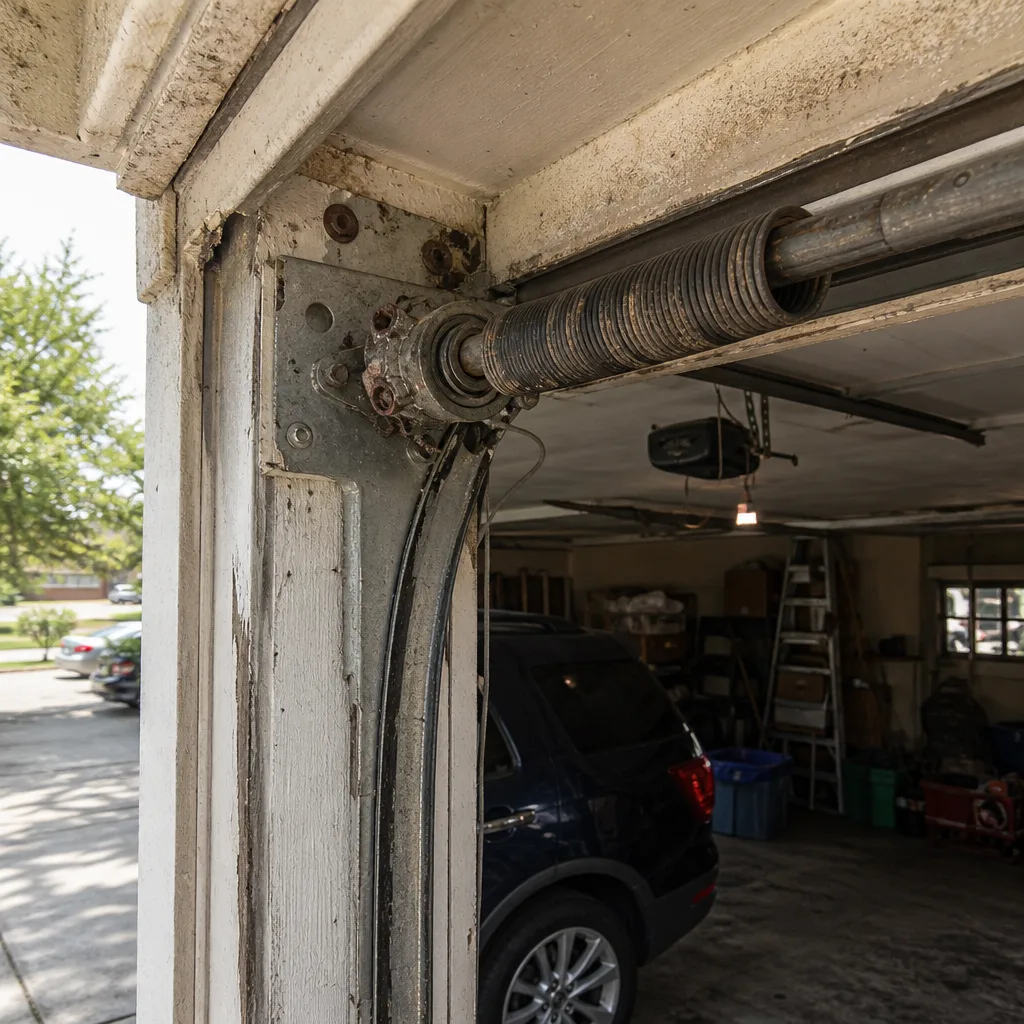 Before
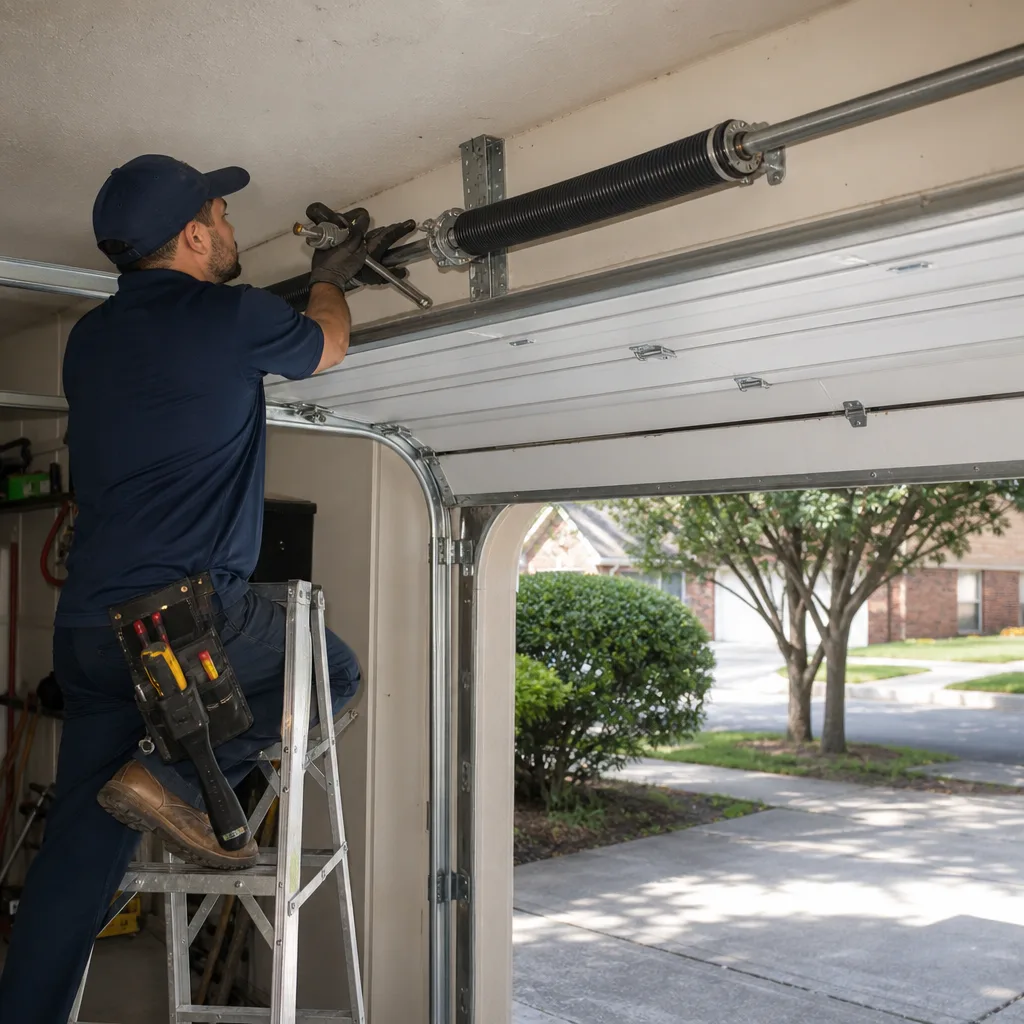 After
After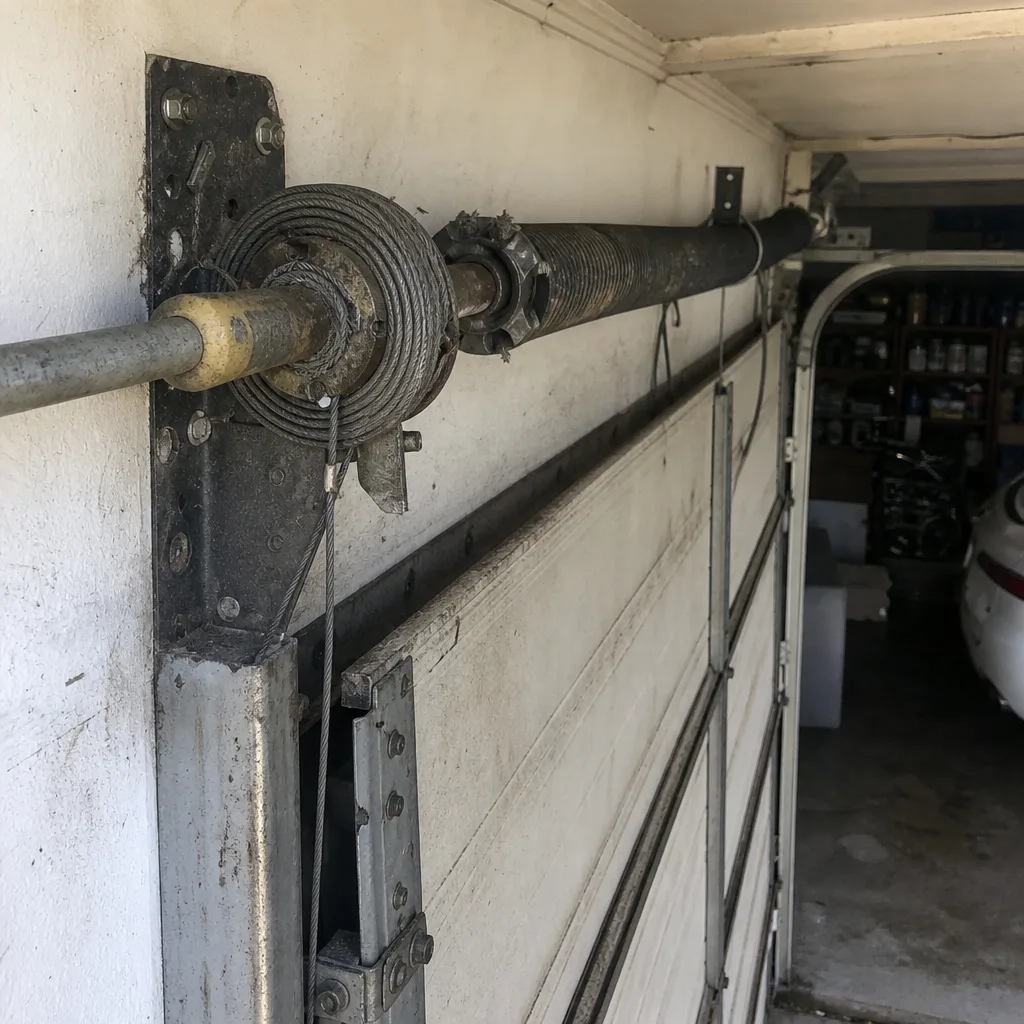 Before
 After
After Before
 After
After