
Last updated October 16, 2026
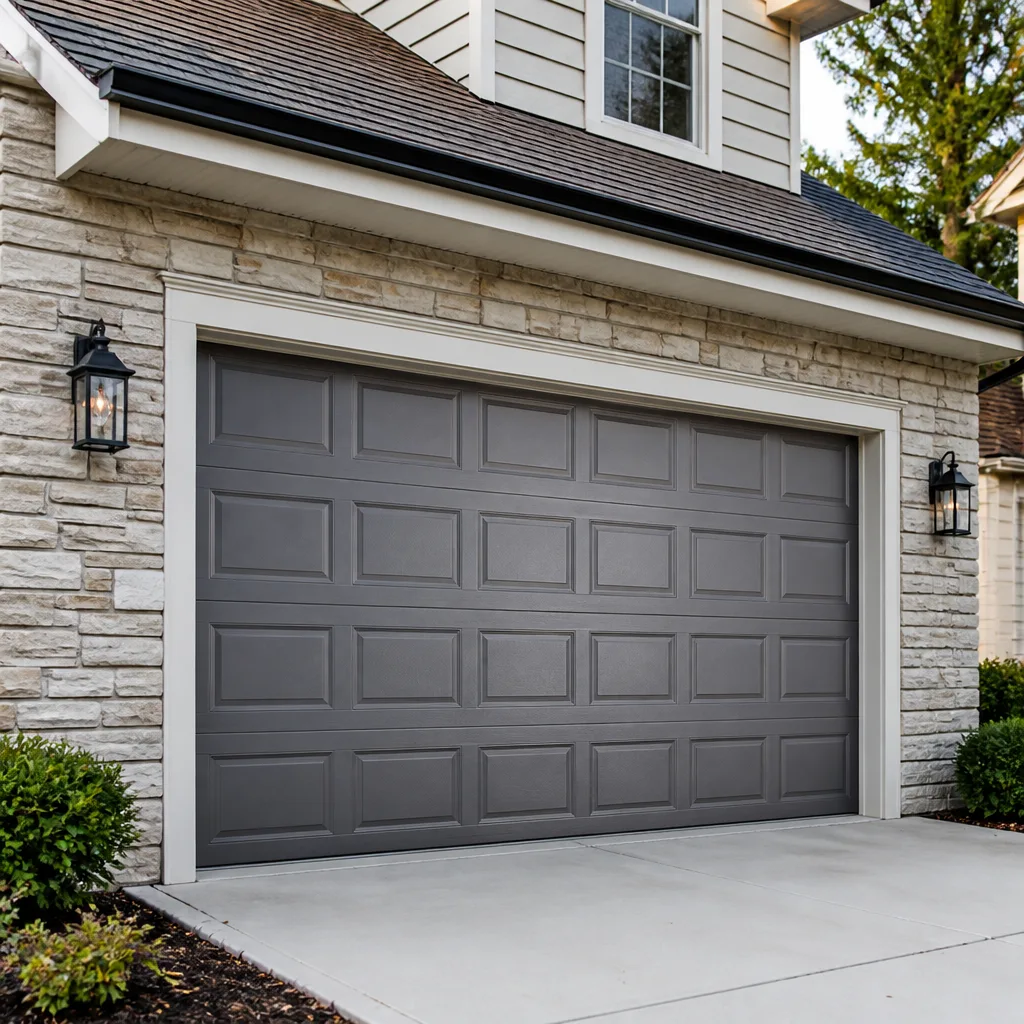 Raised-panel steel
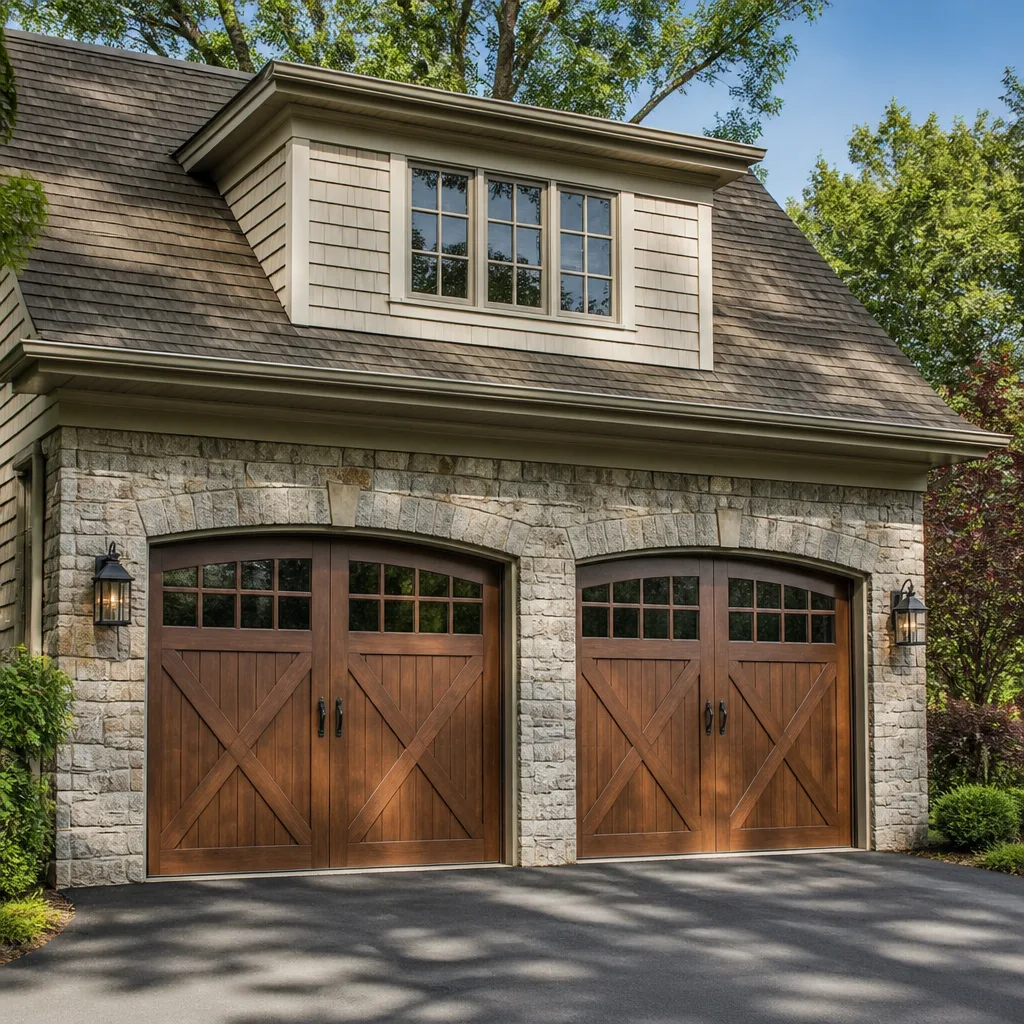 Carriage house
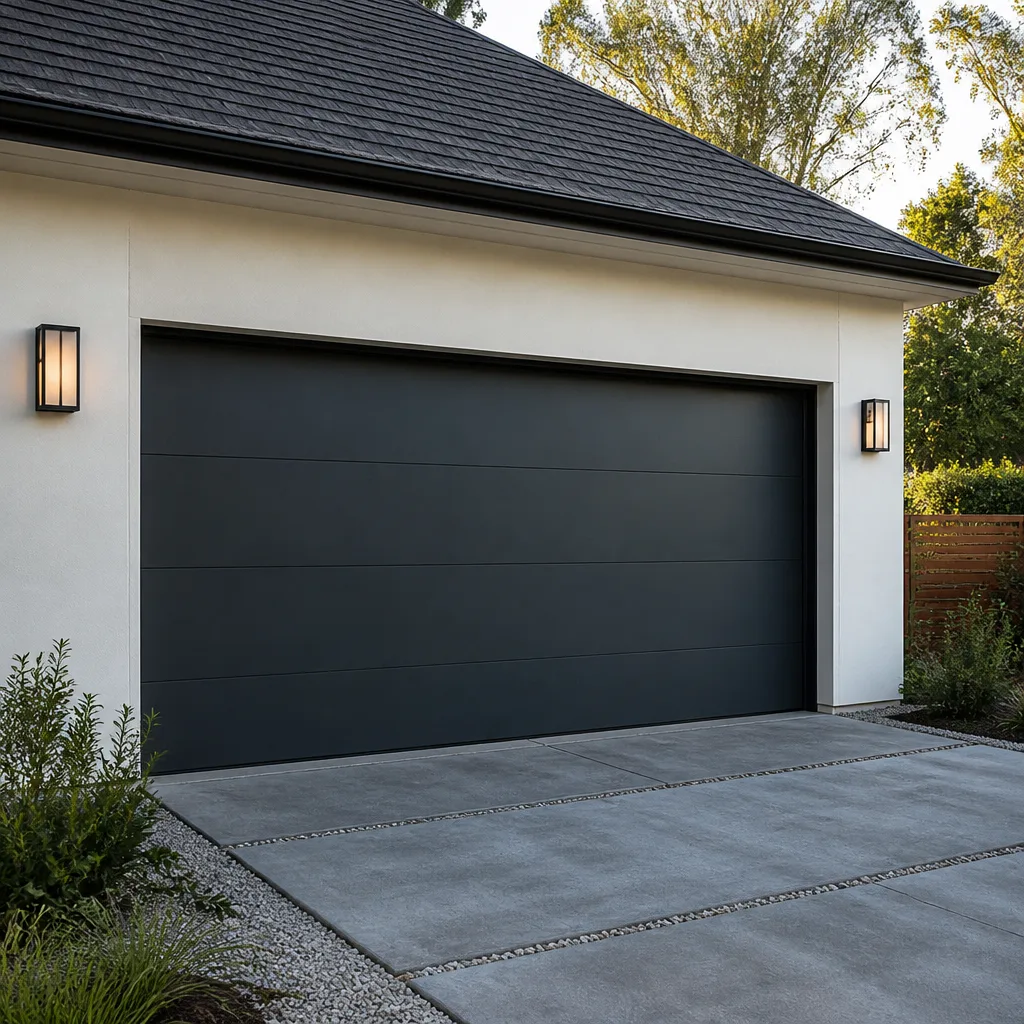 Modern flush
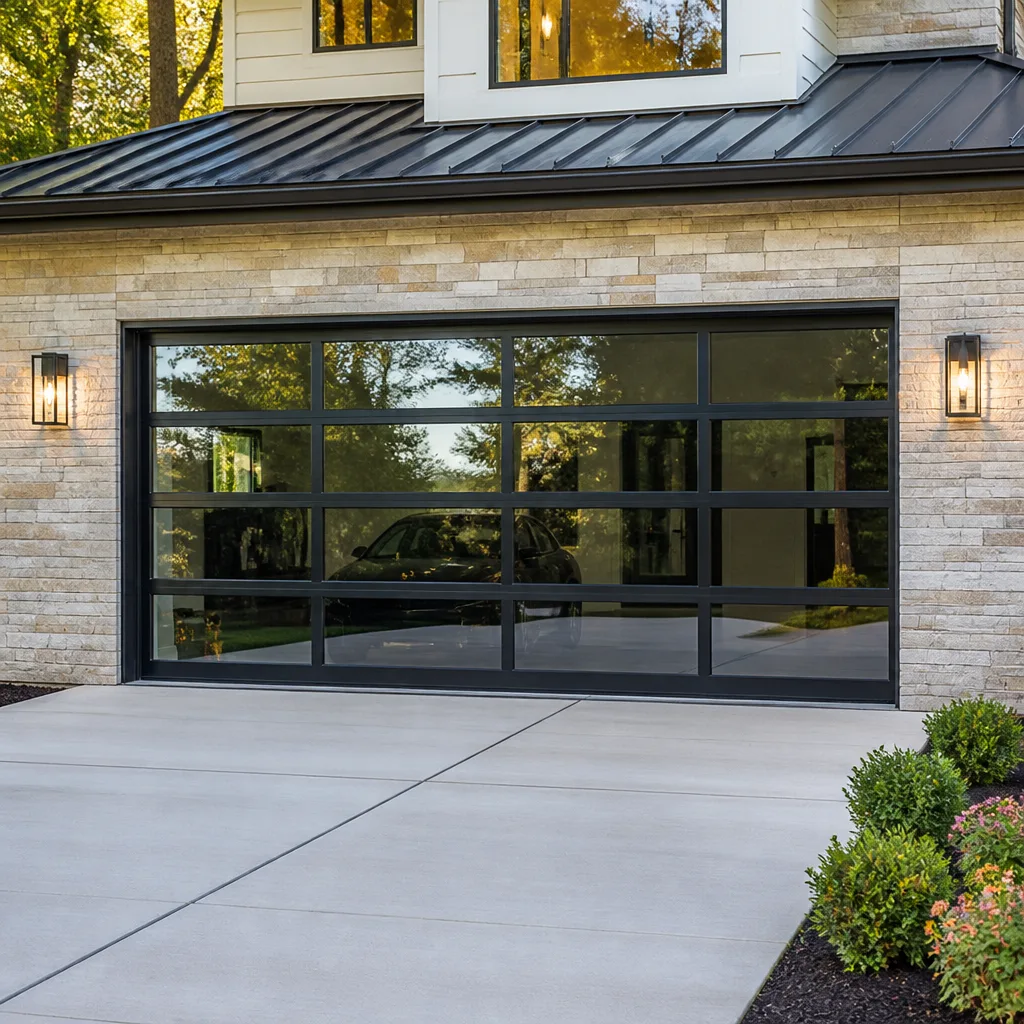 Full-view glass
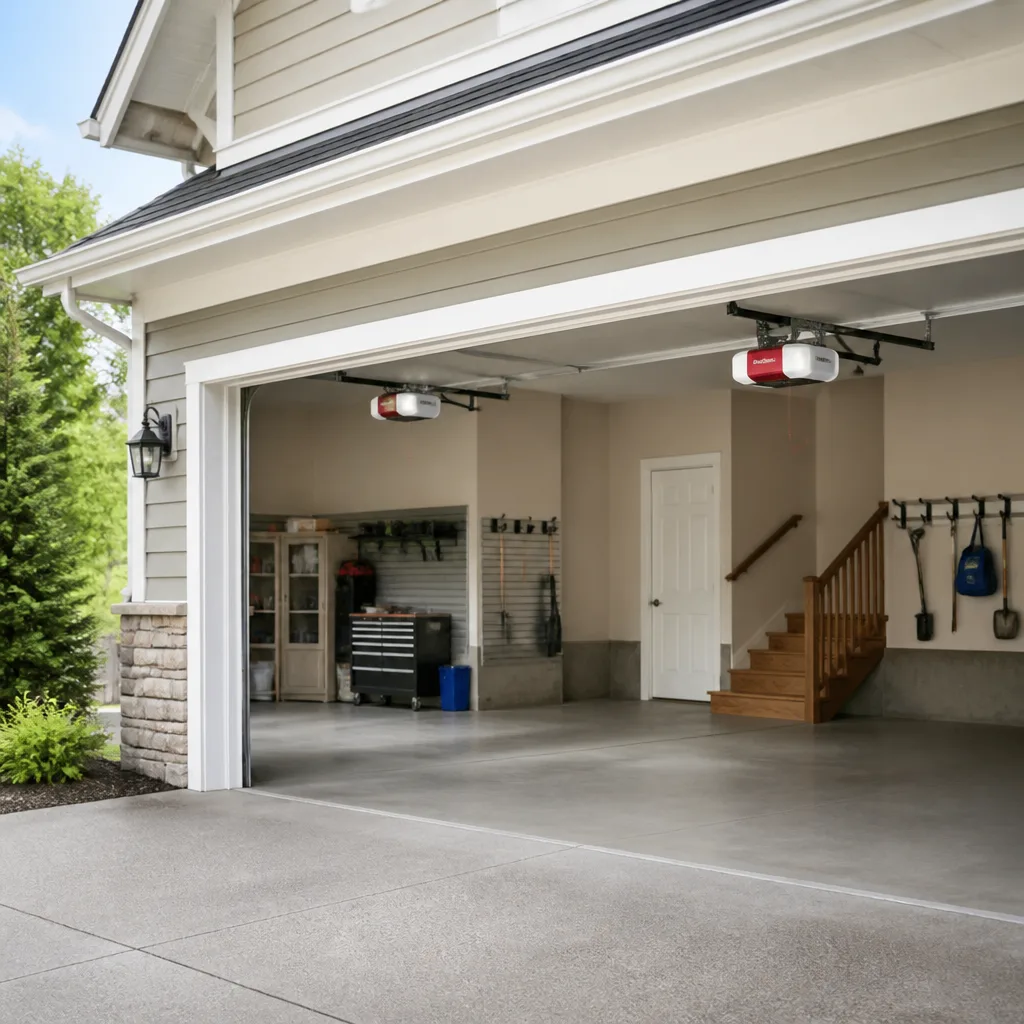 LiftMaster openers
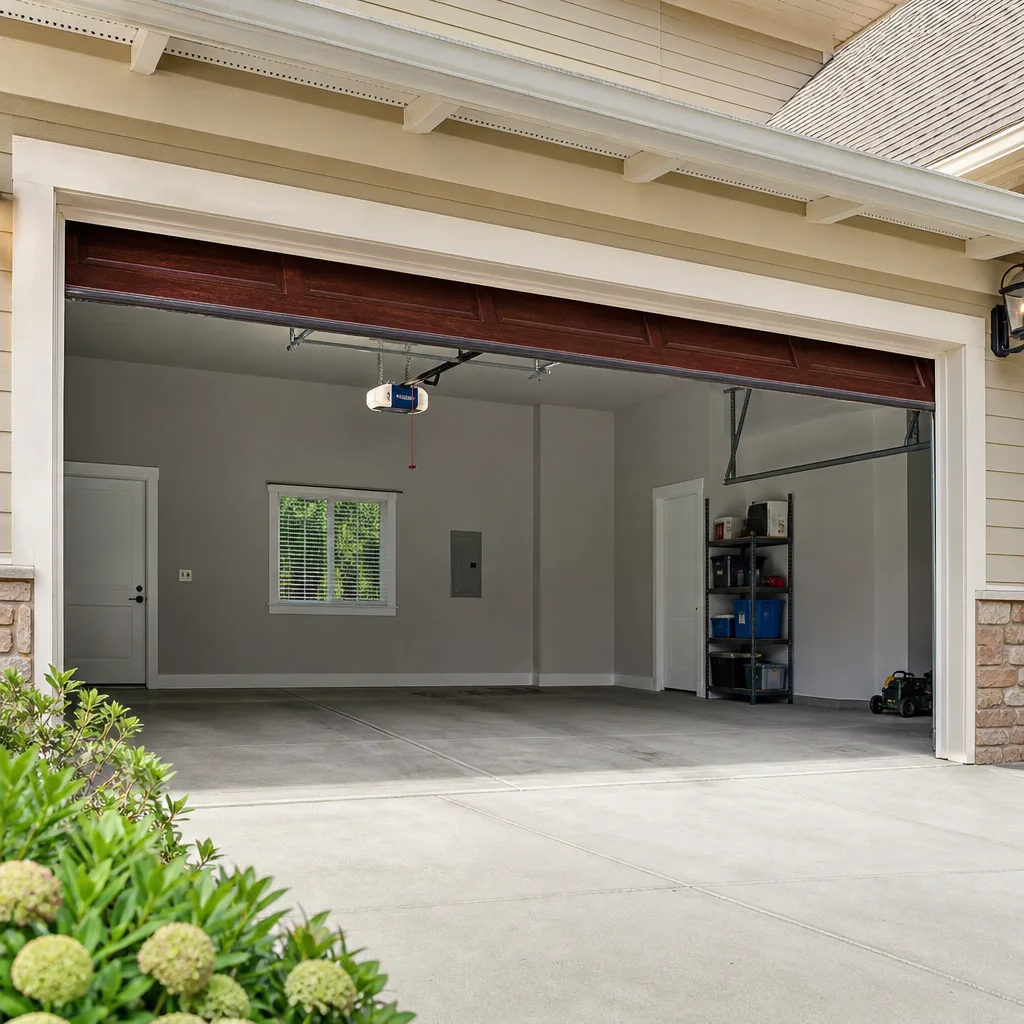 Chamberlain openers
Full 25-point door and opener safety check with every visit - springs, cables, rollers, tracks, and your LiftMaster or Chamberlain opener included
You get a price before we start. It does not change when the truck arrives.
Get your free estimateGarage Door Warning Signs: A Dallas Homeowner’s Reference Guide
Most Dallas homeowners assume a garage door either works or it doesn’t. That assumption costs money. Between those two states sits a diagnostic window of three to six months during which the door’s mechanical systems broadcast specific, readable failure signatures. A door that creaks on the left side only isn’t creaking. It’s reporting a roller bearing losing lubrication under the specific heat load of a Dallas August. This guide, part of our broader collection of more guides & resources, maps what you see, hear, and feel to the exact component under stress, so when you call for service, you can tell the dispatcher “I think I have left-side roller wear, not a spring problem” instead of just “it’s making noise.” That specificity changes everything about how fast your door gets fixed and what it costs.
Quick Answer: The most serious garage door warning signs in Dallas are visible cable separation, a door that hangs crooked or drops fast, loud bangs from above the door, and grinding from the rollers or opener. These indicate torsion spring failure, cable damage, or track misalignment. Less urgent signs like slow ascent, wall-button lag, and minor squeaks usually point to opener settings or worn rollers. Any sign involving cables, springs, or track alignment means stop using the door immediately and call a professional.
Styles & brands we work with
Table of Contents
- The Symptom-to-Component Diagnostic Index
- How Dallas Heat Accelerates Five Specific Failures
- The Safety-Critical Threshold List: Stop Using the Door Immediately
- Torsion Spring Failure vs. Cable Break: Two Events Homeowners Confuse
- What to Document Before You Call: The Observation Log
- Opener-Specific Warning Signs in Dallas
- Common Mistakes to Avoid
- When to Call a Professional
- Frequently Asked Questions
The Symptom-to-Component Diagnostic Index
Every warning sign your garage door produces maps to a specific part. Here’s the index we use when a Dallas homeowner calls and describes a symptom over the phone. Read through it and match what you’re experiencing. You’ll know what’s failing before anyone even arrives.
Grinding or metal-on-metal scraping
The likely culprit is the rollers, the small wheels that guide the door along the vertical and horizontal tracks. When a roller’s inner bearing wears out, it stops rolling and starts sliding. That sliding produces the grinding sound. On a standard two-car garage door in a Dallas home, there are typically ten to twelve rollers. When one fails, the door may still operate, but that one stuck roller is now dragging along the track, wearing a flat spot into both the roller and the track itself. Left unaddressed, a flat-spotted roller can jump the track, and that’s when a routine repair becomes an emergency.
Grinding can also come from the opener’s drive mechanism, but the sound profile is different. Roller grinding happens at the door itself and moves as the door moves. Opener grinding originates from the motor housing mounted on the ceiling and stays in one place. Knowing which one you’re hearing tells you which service call to book, garage door repair in Dallas or opener repair.
Slow or sluggish ascent
When the door rises noticeably slower than it did a year ago, three things are worth checking, in order of likelihood. First, the torsion springs, the large coils mounted above the door that do most of the lifting, may be losing tension. Springs weaken gradually, and as they weaken, the opener motor works harder to compensate. Second, the opener’s motor may simply be aging. A chain-drive opener that’s run daily in Dallas heat for twelve years has earned its fatigue. Third, the rollers and hinges may need lubrication. A door that squawks AND moves slowly is usually a lubrication and roller issue. A door that’s quiet but slow is usually springs or motor. For the full picture on local systems, see The Complete Guide to Garage Door in Dallas.
Gap at the floor on one side
If you can see daylight under one corner of the door when it’s closed, the door’s balance is off. On a properly functioning door, the torsion springs counterbalance the door’s weight so evenly that a child can lift it. When one side sits higher, it means the spring tension is uneven or a lift cable has stretched. Dallas homes with west-facing garage doors see this more often because the afternoon sun heats one side of the door and one spring more than the other, creating uneven thermal expansion in the spring steel. That’s a Dallas-specific failure pattern we see regularly in neighborhoods like Lake Highlands and Preston Hollow.
One-sided sag when opening
A door that’s level when closed but dips on one side mid-travel is telling you about a cable issue. The lift cables, the steel strands that run vertically along each side of the door, work as a pair. When one cable loses tension or frays, that side of the door carries less weight, and the door sags toward the opposite side. This is not a lubrication issue and not an opener issue. It’s a cable issue, and it requires immediate attention because a cable that’s fraying is a cable that will snap.
Reverses before hitting the ground
A door that travels down and then reverses back up before reaching the floor is speaking a clear sentence: the close-force limit on the opener’s logic board has drifted. Every opener has two force settings, one for opening and one for closing. They tell the motor how hard to push before stopping. When the close-force setting drifts too low, the opener interprets normal floor contact as an obstruction and reverses. This is usually a five-minute adjustment on a LiftMaster or Chamberlain opener. It’s not dangerous, and it doesn’t require replacing anything. But it should be corrected by someone who knows the adjustment procedure because setting the force too high creates a genuine safety hazard: a door that won’t stop when it meets resistance.
Wall-button lag or no response
When you press the wall button and the door hesitates for two or three seconds before moving, or requires multiple presses, you’re looking at one of three things: a failing wall console, a weak signal from a worn remote control, or a logic board beginning to fail. On LiftMaster and Craftsman openers, wall consoles are low-voltage devices that communicate with the motor over two wires. When the console fails, it usually fails gradually, with lag that gets longer over weeks. A logic board failure, by contrast, often shows up as intermittent complete non-response. If the door works fine from the remote but not from the wall button, it’s the console. If it’s unreliable from both, the logic board is the prime suspect.
How Dallas Heat Accelerates Five Specific Failures
Dallas isn’t just hot. It’s hot for long stretches, and that prolonged heat load changes how garage door components fail. A spring that lasts twelve years in Minneapolis might last seven in Dallas. A bottom seal that survives a decade in Seattle needs replacement every four years here. Here are the five failure signatures Dallas heat accelerates most, and what each one looks like, drawing from our Seasonal Garage Door Care for Dallas: Year-Round Homeowner’s Guide.
1. Fraying lift cables
Lift cables are made of braided steel strands twisted around a core. Heat itself doesn’t melt steel, but Dallas’s heat-humidity cycle causes micro-corrosion between the strands, and that corrosion acts like a slow saw. Every time the door cycles, the cable bends around the drum, and the corroded strands flex against each other until individual strands begin to pop. You’ll see it first as fuzziness on the cable surface, then as a visible broken strand that pokes out. A cable in that condition is in its final weeks. When it goes, the door doesn’t just stop working. One side of the door drops suddenly because only one cable is carrying the load, and the result is a door jammed crooked in the tracks. If you see fuzz on a cable, stop using the door and call. The repair is straightforward when caught early, but ignoring it turns a $200 cable replacement into a door-off-track job that costs four times as much.
2. Cracked or brittle bottom seals
The bottom seal, the rubber strip along the bottom edge of the door, is the first thing Dallas heat destroys. Continuous exposure to 100-degree door panels bakes the rubber until it loses flexibility, then it cracks. Once cracked, the seal stops keeping out water, dust, and, importantly for Dallas, insects and the hot outside air. You’ll recognize a failed seal by visible cracks in the rubber when the door is open, or by daylight showing under the door when it’s closed. The fix is inexpensive and takes under an hour. The cost of ignoring it shows up in your energy bill and in the layer of fine Dallas dust that accumulates on everything stored in the garage.
3. Roller wear from heat-expanded tracks
Dallas summer heat expands metal garage door tracks. The expansion is tiny in absolute terms, a few thousandths of an inch, but it changes the pressure the rollers exert against the track walls. Rollers that ran smoothly in April are running under slightly higher friction in July, and that friction accelerates bearing wear. The first sign is a grinding sound that gets worse in the afternoon and is quieter in the morning. That’s the signature of heat-related roller wear. Replacing worn rollers with nylon rollers, which run quieter and tolerate thermal expansion better than steel, is one of the most cost-effective upgrades we recommend for Dallas garages.
4. Limit-switch drift from thermal cycling
The limit switches in your opener tell the motor where “up” and “down” are. They’re electro-mechanical components, and like all electro-mechanical components they respond to temperature changes. A Dallas garage that swings from 40 degrees in January to 130 degrees inside the garage in August is thermal cycling the limit switch contacts through a wide range. Over years, those contacts drift. The symptom is a door that doesn’t close all the way, or a door that closes and then immediately reopens. On most LiftMaster and Chamberlain models, the fix is a limit-setting adjustment that takes under five minutes.
5. Torsion spring fatigue
Every torsion spring has a cycle life, usually 10,000 cycles for standard springs, which translates to roughly seven to ten years of normal use in Dallas. But “normal use” in Dallas often means four to six cycles a day because the garage is the primary entry point for many households. That’s up to 2,000 cycles a year, which shortens a 10,000-cycle spring to five years. The warning sign before a spring breaks is subtle: the door feels heavier when you disconnect the opener and lift it manually. Most homeowners never test this until the spring breaks. If your door is over seven years old and you notice it’s harder to lift manually, budget for spring replacement in the near term. It’s much cheaper to replace springs proactively than to deal with the aftermath of a broken one.
The Safety-Critical Threshold List: Stop Using the Door Immediately
Some warning signs mean schedule a repair. Others mean stop using the door right now. The distinction matters because the second category involves components under high tension or doors carrying enough weight to cause serious injury. Here’s the threshold list.
Stop immediately: These signs require immediate professional attention
- Visible cable separation: If you can see individual strands poking out of the lift cable or a gap in the cable’s braiding, one side of the door is close to losing its lifting connection. The door could drop on that side without warning.
- Broken torsion spring: You’ll usually know by the sound, a loud bang from above the door that sounds like a gunshot. The spring will be visibly separated into two pieces. A broken spring means the door’s weight is no longer counterbalanced, and the door could fall if the opener releases it.
- Off-track roller: If any roller has jumped out of the track, the door is no longer guided. The entire weight of the door is now supported by components not designed to hold it that way. Further movement will make the damage worse and risks the door falling.
- Door hanging crooked or noticeably uneven: A crooked door means one cable or spring has failed while the other still carries load. That remaining load-bearing component is now under stress it wasn’t designed for.
Schedule a repair: These signs permit continued careful use
- Squeaking or minor grinding: Usually roller or hinge lubrication. The door is safe to operate, but the wear is progressive.
- Slow operation: Annoying, not dangerous. Schedule service when convenient.
- Bottom seal cracks: A weatherproofing issue, not a structural one.
- Wall-button lag: An electrical inconvenience. The door’s mechanical safety systems still function.
The safety-critical list is not a suggestion. Torsion springs operate under hundreds of pounds of torque. A cable snapping under load can whip with enough force to cause serious injury. If you’re on the stop-immediately list, close the door if it’s safe to do so, then leave it closed and call. Do not attempt to open it manually. Do not disconnect the opener. Let a trained technician handle it.
Torsion Spring Failure vs. Cable Break: Two Events Homeowners Confuse
In our experience across Dallas, the two events homeowners most often confuse are a broken torsion spring and a broken lift cable. They’re different failures with different causes, different warning signs, and different repair costs. Here’s how to tell them apart.
Torsion spring failure: The signature is the sound
A torsion spring break announces itself. The spring is a coil of hardened steel under enormous torque. When it fails, the stored energy releases all at once, and the resulting sound is a loud bang, like a firecracker or a car backfiring. Homeowners often report they heard it from inside the house, on the far side of the kitchen, with the TV on. Following the bang, the door becomes dramatically heavy. If the opener is still connected and you press the button, the motor will strain and often refuse to lift the door at all. Visually, the spring above the door will show a visible break, usually a gap of one to two inches where the coil has separated.
Torsion springs fail from fatigue. Every cycle the door makes adds stress, and eventually the metal reaches its limit. Dallas homeowners with 10,000-cycle springs typically get seven to ten years of service. The repair involves replacing both springs, not just the broken one, because a matched pair that has cycled equally is equally fatigued. Replacing only the broken spring leaves a worn spring on the other side that will fail soon. In the Dallas market, torsion spring replacement typically runs $180 to $340 for a standard two-car garage door, depending on spring size and cycle rating.
Cable break: The signature is the lean
A cable break is quieter and more visual. When a lift cable snaps, it often makes a sharp snapping sound, but sometimes homeowners hear nothing at all. The first sign is the door hanging visibly crooked, one side lower than the other, often jammed partway up or down. When you look at the cable drum, the spool that the cable wraps around, you’ll see the loose cable hanging or the drum spinning free.
Cables fail from wear, not fatigue. The strands abrade against the drum over thousands of cycles until enough individual strands break that the remaining ones can’t hold. The repair is less expensive than spring replacement, usually $150 to $250 in Dallas for a new cable pair and re-spooling. But a cable break that happens while the door is moving often damages other components: the door can torque sideways and bend a track, pop a roller out, or stress the bottom bracket. That’s why the final cost of a cable break depends on whether it was caught early or allowed to fail catastrophically.
The takeaway: loud bang with a heavy door means spring. Crooked door with a loose cable means cable. Either way, stop using the door and call.
What to Document Before You Call: The Observation Log
The single most effective thing a Dallas homeowner can do before calling for service is document what the door is doing. Not because we’ll want to argue with the description, but because a precise observation log tells us which technician to send and what parts to bring. That’s the difference between a first-visit fix and a two-trip repair. Here’s the five-point log we recommend.
Step 1: Note the sound profile
Listen to the door for one full open-close cycle. What do you hear? Grinding? Squeaking? A rhythmic thumping? A bang? Write down where the sound comes from, which side of the door, and whether it happens on the way up, the way down, or both. “Loud grinding from the right side while going up” is a diagnostic gold nugget.
Step 2: Time the cycle
Use your phone. Time how long the door takes to go from fully closed to fully open. A standard door takes eight to twelve seconds. A door taking significantly longer is reporting spring fatigue or motor strain. That number helps us determine whether we’re looking at a mechanical issue or an opener issue.
Step 3: Check the visual markers
Look at the cables, the springs, the rollers, and the bottom seal. Note anything you see: fuzzy cables, a gap in the spring, a roller that’s wobbling, a crack in the seal. If you take photos, even better. A clear photo of a frayed cable tells us exactly what’s coming before we ring your doorbell.
Step 4: Test the balance
Disconnect the opener using the red emergency release cord, then lift the door manually. It should lift smoothly and stay in place halfway open. If it’s heavy, or if it falls, note that. If you’re uncertain about doing this on an older door, skip it. The door should be closed and you should be standing inside the garage. Never attempt this if the door is already showing signs of cable or spring failure.
Step 5: Document the history
How old is the door? How old is the opener? Have the springs ever been replaced? Which remote controls work and which don’t? This history, especially the spring replacement date, helps us predict what’s likely to fail next. Most homeowners don’t keep spring replacement records, and that’s fine, but if you know the door is original to a 2005 build and the springs have never been touched, that’s valuable information.
This five-point log takes under ten minutes to complete. When you call with it, we show up knowing which parts are likely needed. And because our technicians arrive with name and photo sent in advance and a written price provided before any work starts, you’ll know exactly who’s coming and exactly what the repair will cost before the first bolt is turned.
Opener-Specific Warning Signs in Dallas
The door and the opener are two distinct systems. The door is the mechanical panel, springs, cables, and rollers. The opener is the motor, logic board, and drive mechanism mounted on the ceiling. Both fail in Dallas, but they fail differently. Here’s how to recognize opener problems specifically.
Phantom operation: The door opens or closes by itself
This is almost always a remote control issue or a stray signal. Older remotes can send spurious signals when their batteries are dying. A neighbor’s remote on a similar frequency can occasionally trigger your opener, especially in Dallas neighborhoods where homes were built by the same builder and fitted with the same opener models. The fix is usually reprogramming the opener or replacing the remote. On rare occasions, a failing logic board can trigger the door on its own, which is a safety issue that should be evaluated promptly.
The opener runs but the door doesn’t move
When the motor hums but the door stays put, the most likely culprit is a stripped gear inside the opener. On chain-drive openers, the drive gear is a sacrificial plastic component designed to wear out before the motor burns up. Dallas heat accelerates plastic degradation, so gear failure is more common here than in cooler climates. On belt-drive openers, the belt can stretch or lose teeth. Both failures require opener service. The good news: they’re repairable, and we service LiftMaster, Chamberlain, Genie, Craftsman, Raynor, and Wayne Dalton openers daily.
Short-cycling: The opener stops mid-travel
An opener that stops halfway up or halfway down and won’t proceed is usually reporting a sensor or logic board issue. The safety sensors near the bottom of the track may be misaligned, dirty, or failing. Or the logic board itself may be developing a fault. Cleaning and realigning the sensors fixes the first case. Replacing the board fixes the second. Short-cycling that happens only in the afternoon heat is often a thermal protection circuit in the motor, meaning the motor is overheating and needs evaluation.
Remote works from the driveway but not from the street
Declining remote range is usually a sign of a weakening remote battery or an aging receiver in the opener. But in Dallas specifically, we also see range reduction caused by heat-soaked garage door panels interfering with the signal, especially on doors with metal foil insulation. The fix may be as simple as replacing the remote battery, or it may require garage door opener repair in Dallas to address a failing receiver module.
If you’re deciding between repairing an older opener and replacing it, a good rule of thumb is compare the repair cost to the cost of a new opener installation. When a repair exceeds half the cost of a new unit, replacement often makes more sense. A new LiftMaster belt-drive opener with installation in Dallas typically runs $350 to $600, depending on features. If your opener is over fifteen years old and needs a board replacement, garage door installation in Dallas may be the wiser long-term investment.
Common Mistakes to Avoid
- Lubricating a broken spring. A torsion spring with a visible break is not a lubrication problem. Spraying lubricant on it does nothing except make the metal slippery while it remains under hundreds of pounds of torque. A broken spring means replacement, not maintenance.
- Ignoring the noise because the door still works. Every warning sign this guide describes gets worse with continued use. The door that grinds today is the door that jumps the track next month. Noise is not a personality quirk. It’s data.
- Adjusting the opener’s force settings by feel. The close-force and open-force settings on a LiftMaster or Chamberlain opener are calibrated to specific torque values. Crank them up to “fix” a door that reverses, and you’ve created a door that won’t stop when a child’s bike or a child is in the way. This adjustment should be done by someone who understands the calibration procedure.
- Replacing only one spring. Garage door springs are installed in pairs and wear in pairs. When one breaks, the other is statistically close behind. Replacing both at once costs more than replacing one, but it’s much cheaper than two separate service visits.
- Continuing to use a door with a visible cable issue. A fraying cable is a countdown, not a negotiation. Every additional cycle you run the door frays more strands. When the cable goes, the repair cost triples because the door is now jammed, possibly off-track, and possibly damaged.
- Calling without describing the symptom. “My garage door is broken” tells the dispatcher nothing useful. “There’s a loud bang from above the door and the door won’t lift” tells us we’re sending a spring technician with a spring pair on the truck. The first call might get a generalist with no springs. The second call gets the right person with the right parts. Same phone number, different outcome.
- Waiting for a convenient time on a safety-critical issue. A broken spring or a hanging cable doesn’t care about your schedule. Every hour the door sits in a failed state is an hour the remaining components are carrying load they weren’t designed for. Call when you see it, day or night. A live person answers 24/7, weekends and holidays included.
When to Call a Professional
Call when the observation log tells you something is wrong and you can identify the symptom. You don’t need to be certain about the diagnosis. You need to be certain about the observation. “I heard a bang and now the door won’t lift” is enough. “I see fuzzy strands on the left cable” is enough. “The door grinds on the right side and it’s been three months since I first noticed” is more than enough.
Call immediately for any item on the stop-immediately list. Call this week for progressive mechanical wear like squeaking, grinding, or slow operation. Call anytime for opener electrical issues, because they rarely get better on their own. Doyle Garage Doors Dallas offers free estimates in Dallas. Call (972) 362-1457 and describe what you’re seeing. We’ve been serving Dallas since 2001, and we’ll tell you over the phone whether it sounds urgent or schedulable.
Frequently Asked Questions
Garage door torsion spring replacement in Dallas typically costs $180 to $340 for a standard two-car garage door, including both springs. The price varies based on spring size, cycle rating, and door weight. The price is written down and agreed before any work starts, and every repair is backed by a 365-day written guarantee. Call (972) 362-1457 for an exact quote.
The most reliable warning sign is a door that feels heavier when you disconnect the opener and lift it manually. Springs lose tension gradually as they fatigue, so a door that’s significantly harder to lift than it was a year ago is reporting spring fatigue. Spring age over seven years is another predictor. There’s no precise countdown, which is why the manual lift test matters.
Yes, cable replacement is typically a same-day repair when the door is still operable. Our Dallas technicians carry cable sets for standard residential doors on the truck, and the job usually takes under two hours. The exception is a catastrophic cable failure that has pulled the door off-track, which may require additional work.
That reversal is the close-force limit on your opener’s logic board. The setting has drifted low enough that the opener interprets normal floor contact as an obstruction. It’s a straightforward adjustment on most LiftMaster and Chamberlain openers. Setting the force correctly requires calibration because a force setting that’s too high creates a safety risk.
No. A garage door with one broken spring means the remaining spring and cables are carrying double their designed load. The door is heavier, the opener is straining, and the remaining components are wearing at an accelerated rate. Stop using the door and schedule spring replacement. Continuing to operate the door will likely turn a spring replacement into a cable replacement, track repair, or worse.
We service all major brands, including LiftMaster, Chamberlain, Genie, Clopay, Amarr, Wayne Dalton, Craftsman, and Raynor. We’re factory-trained on each brand’s opener systems and door hardware, and we stock common parts so most repairs are completed in a single visit.
The Bottom Line
Your garage door is a diagnostic instrument if you know how to read it. The sounds, the speeds, the gaps, and the sags are all signals pointing to specific components under specific stress. Dallas heat accelerates all of it, springs, cables, seals, rollers, and opener electronics. The difference between a $200 proactive repair and a $800 emergency repair is usually a few weeks of attention. Watch for the signs in this guide, document what you observe, and when something looks or sounds wrong, call (972) 362-1457. A real person answers, day or night. We’ll tell you what you’re dealing with and what it costs to fix before anyone shows up at your door.
Written by Aaron Teague, Owner at Doyle Garage Doors Dallas, serving Dallas since 2001.
See the difference
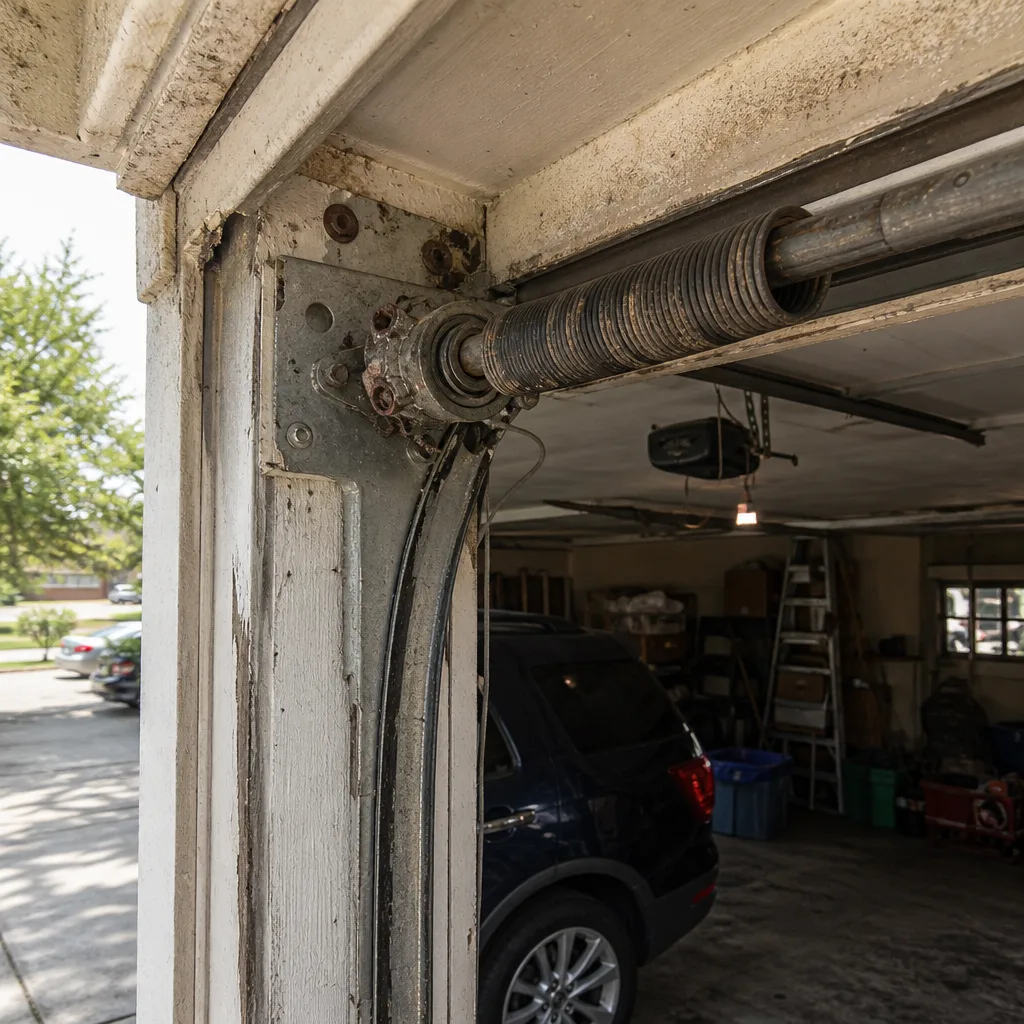 Before
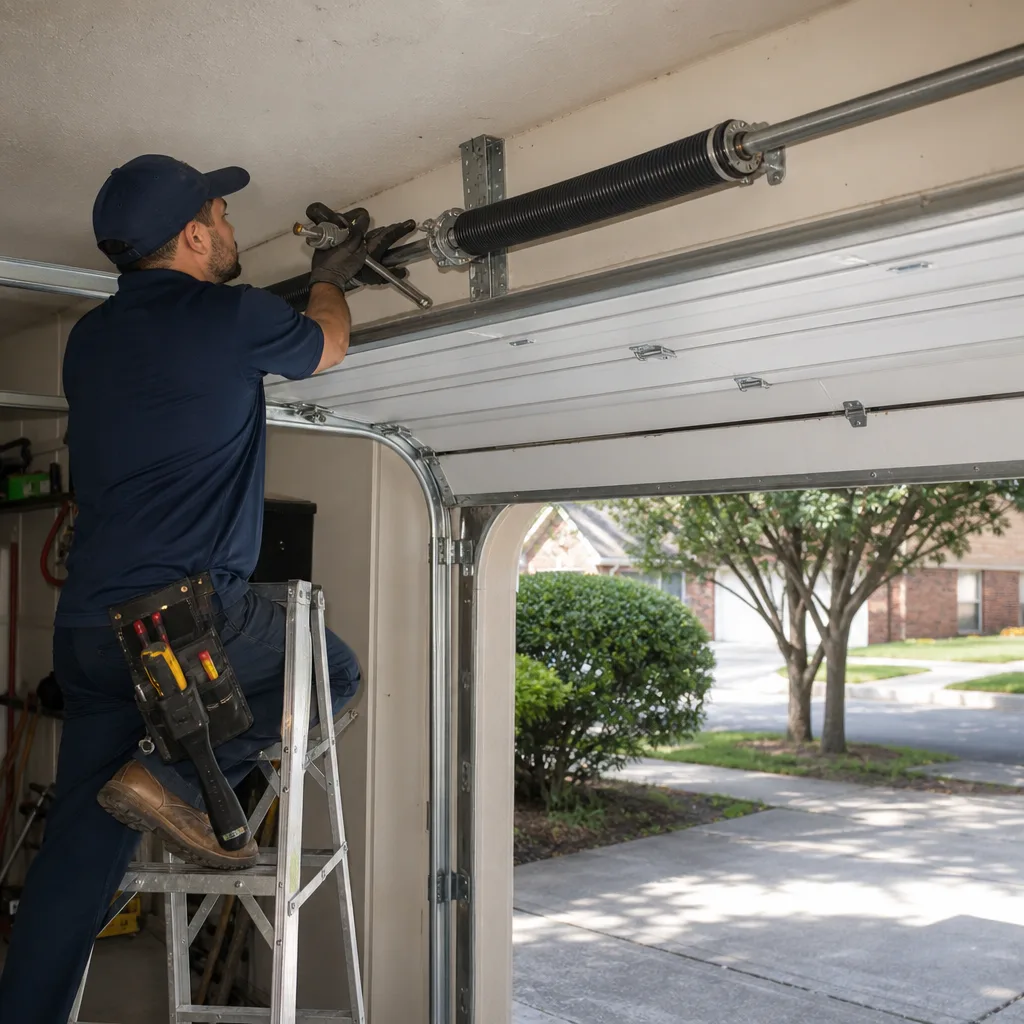 After
After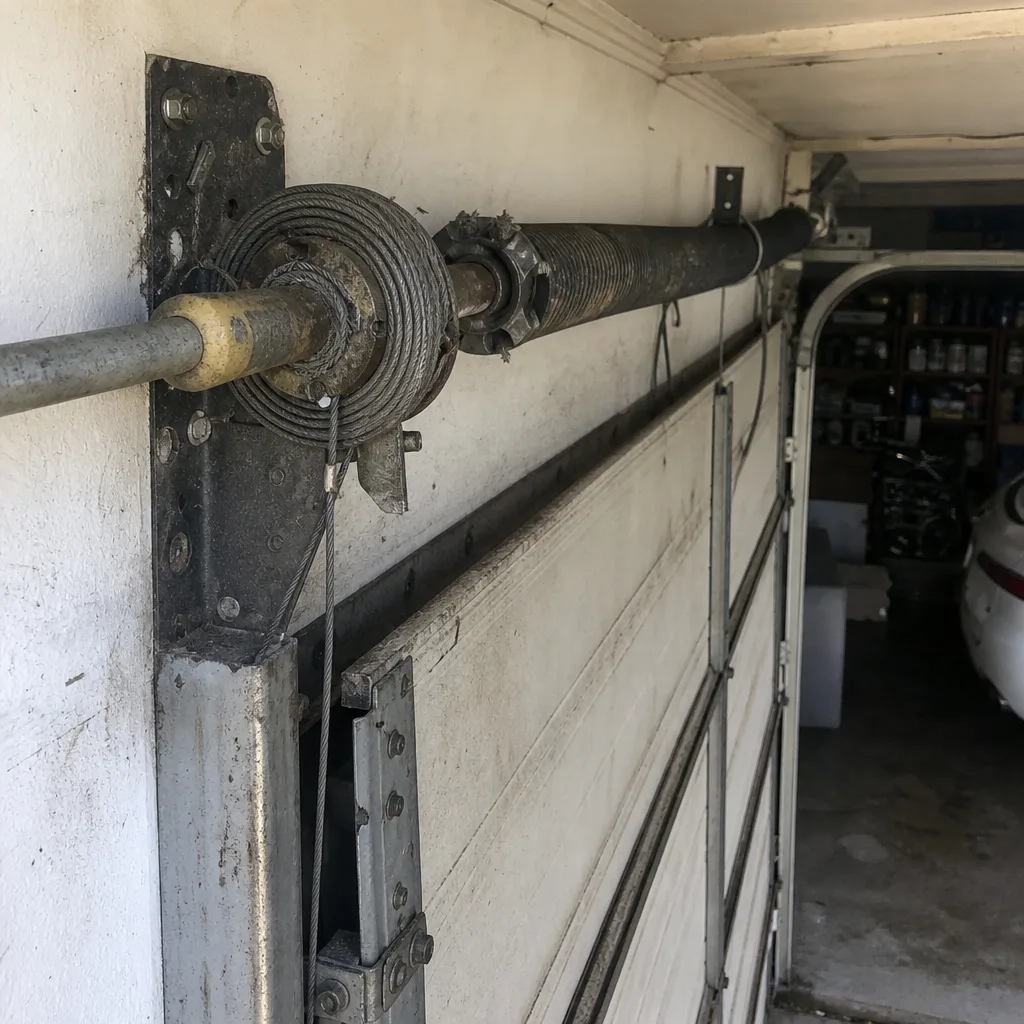 Before
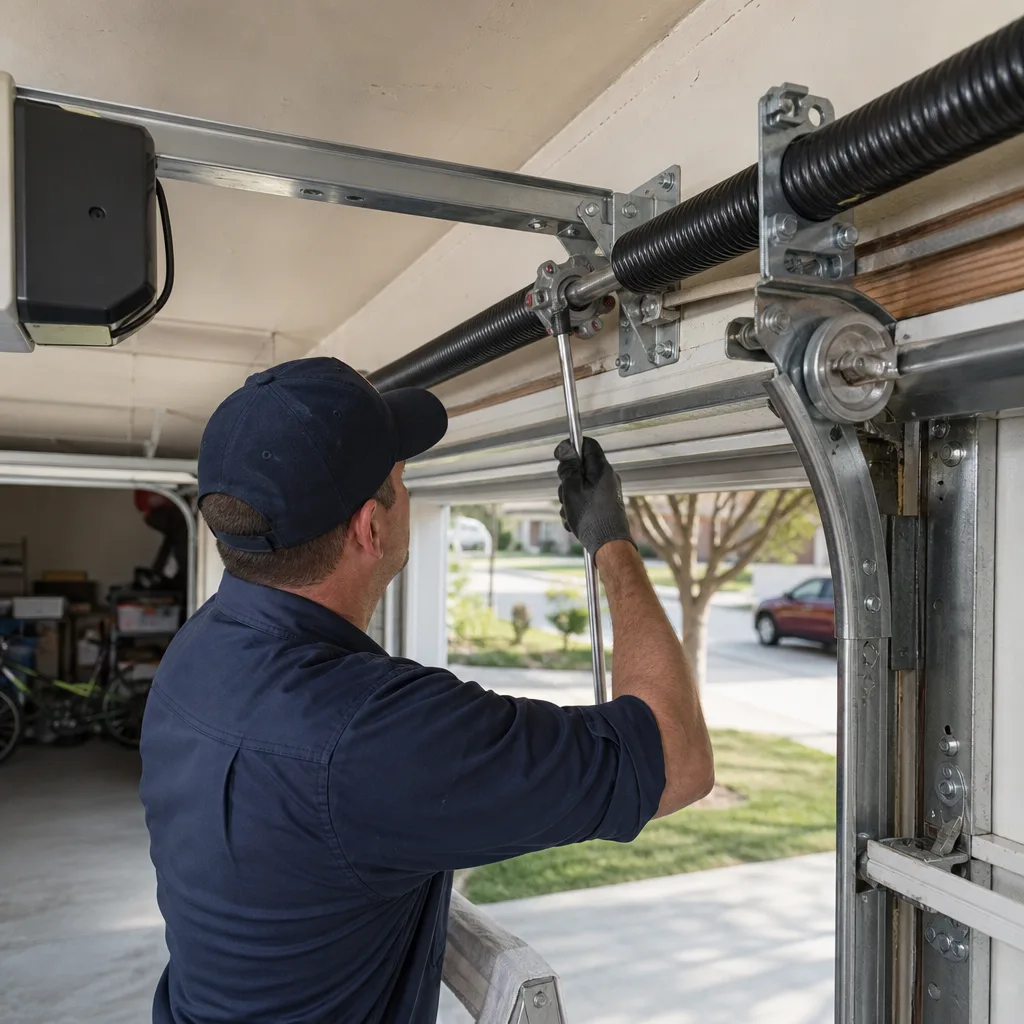 After
After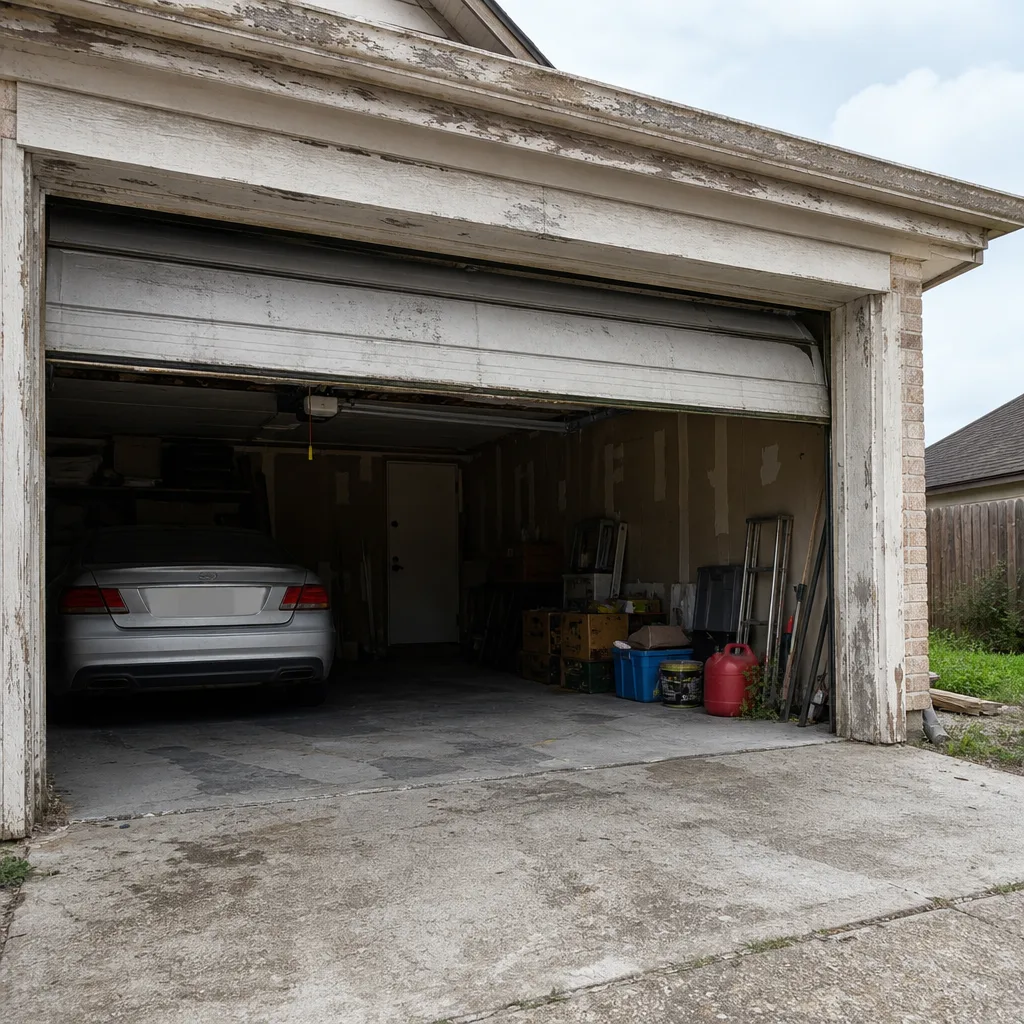 Before
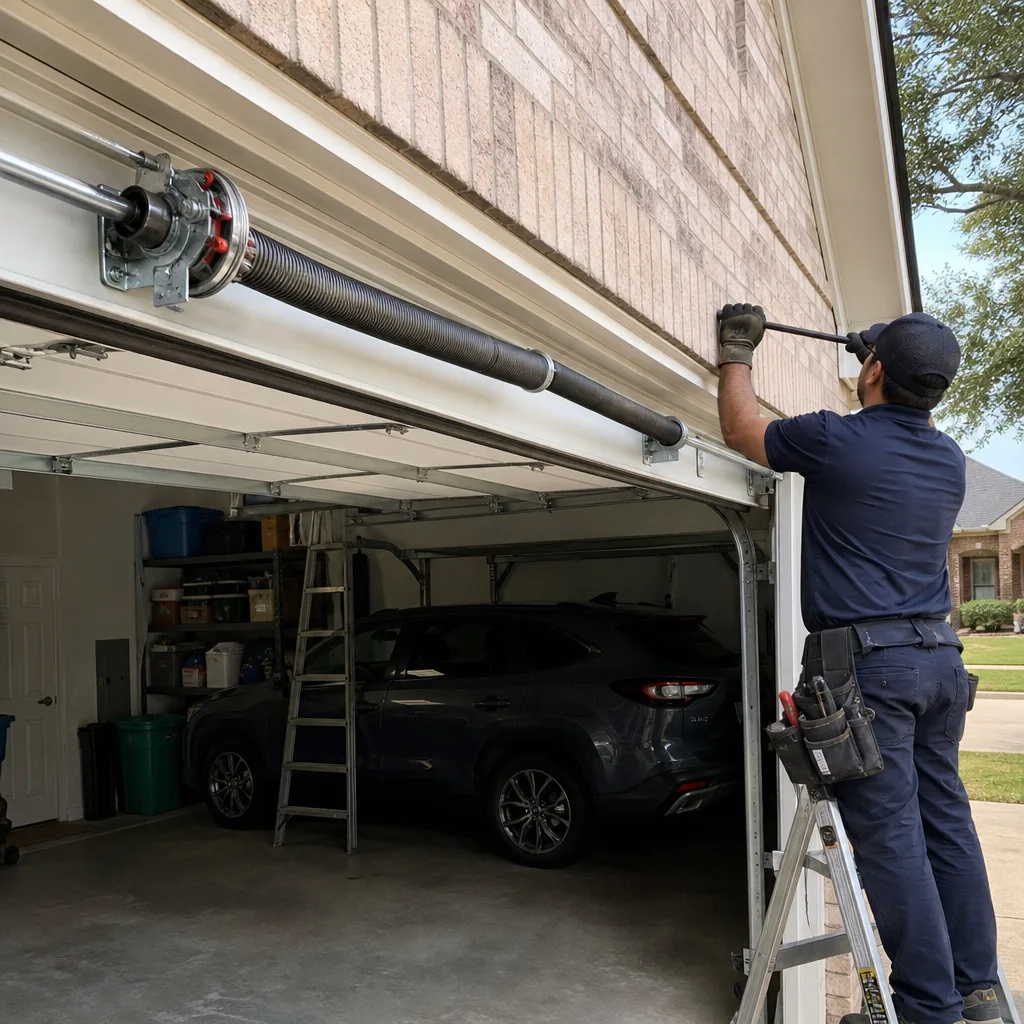 After
After