
Last updated October 16, 2026
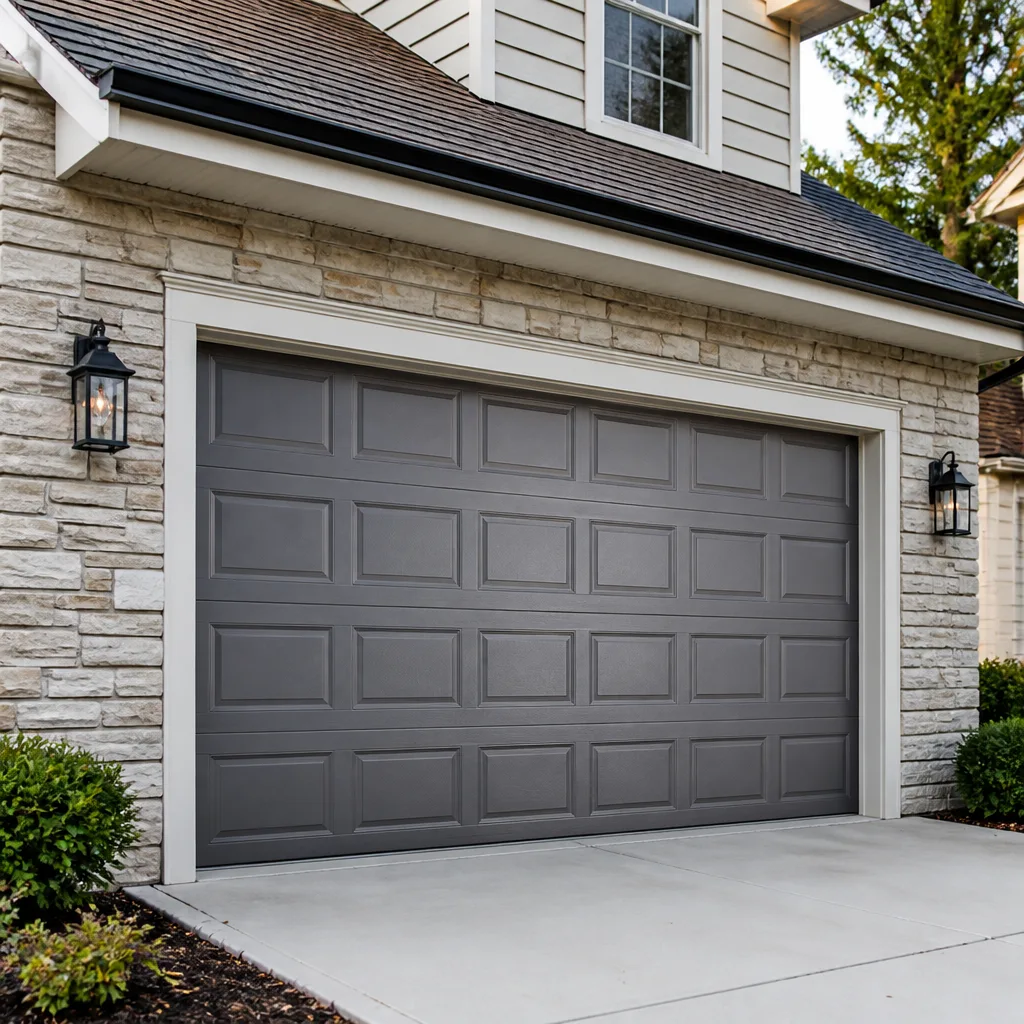 Raised-panel steel
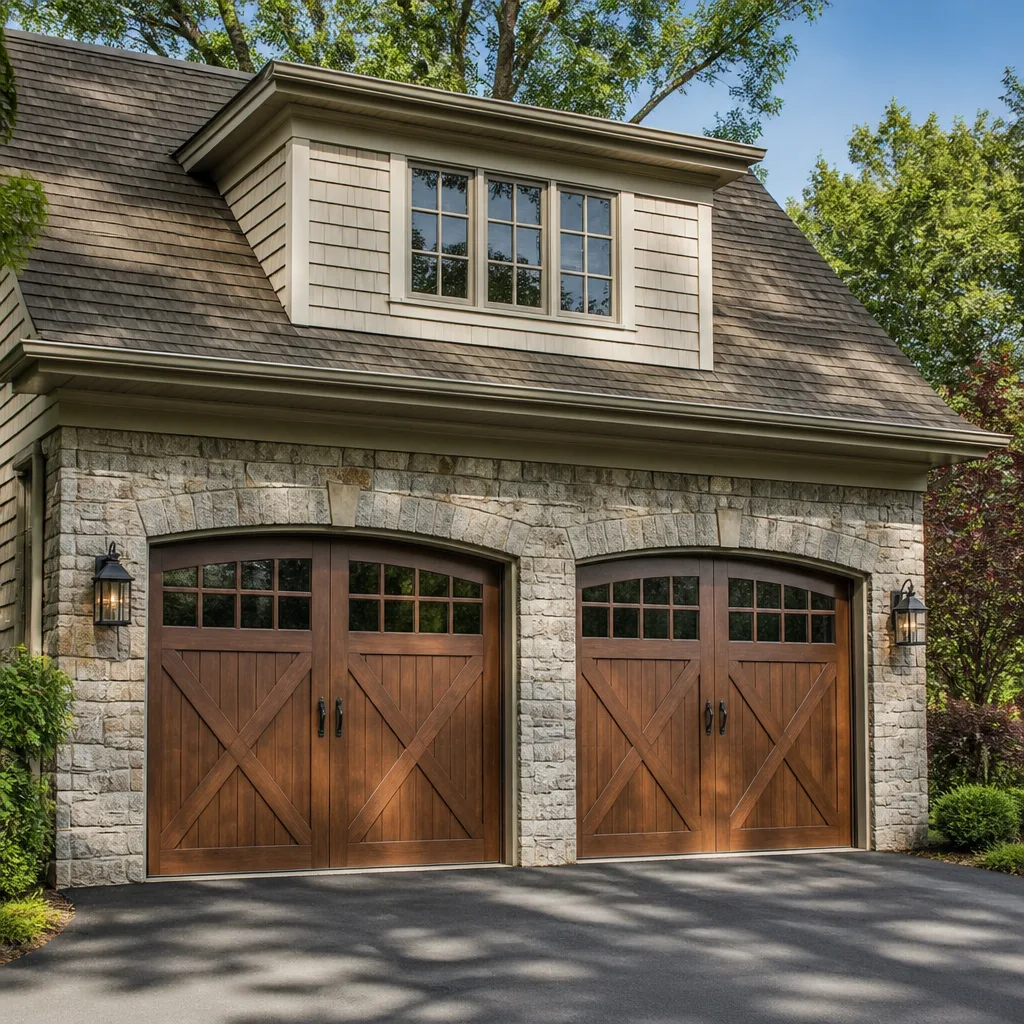 Carriage house
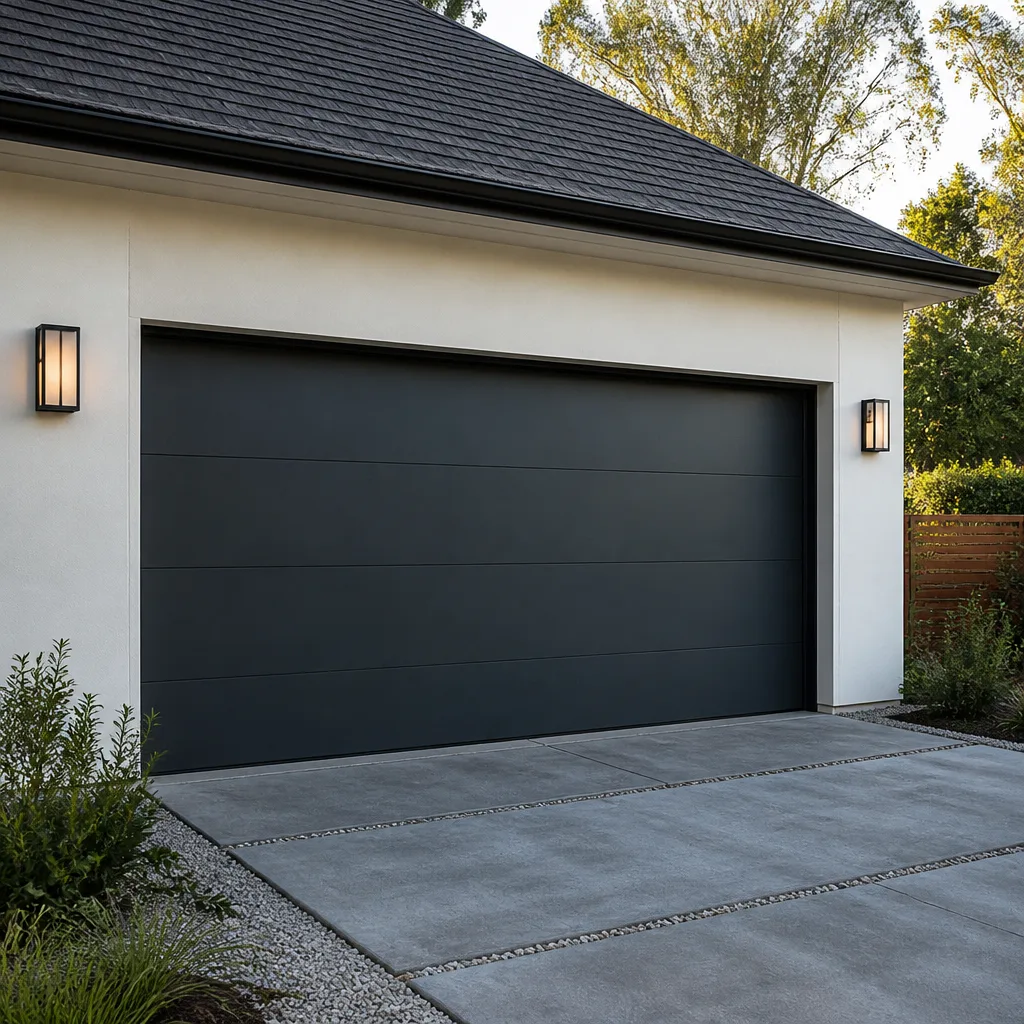 Modern flush
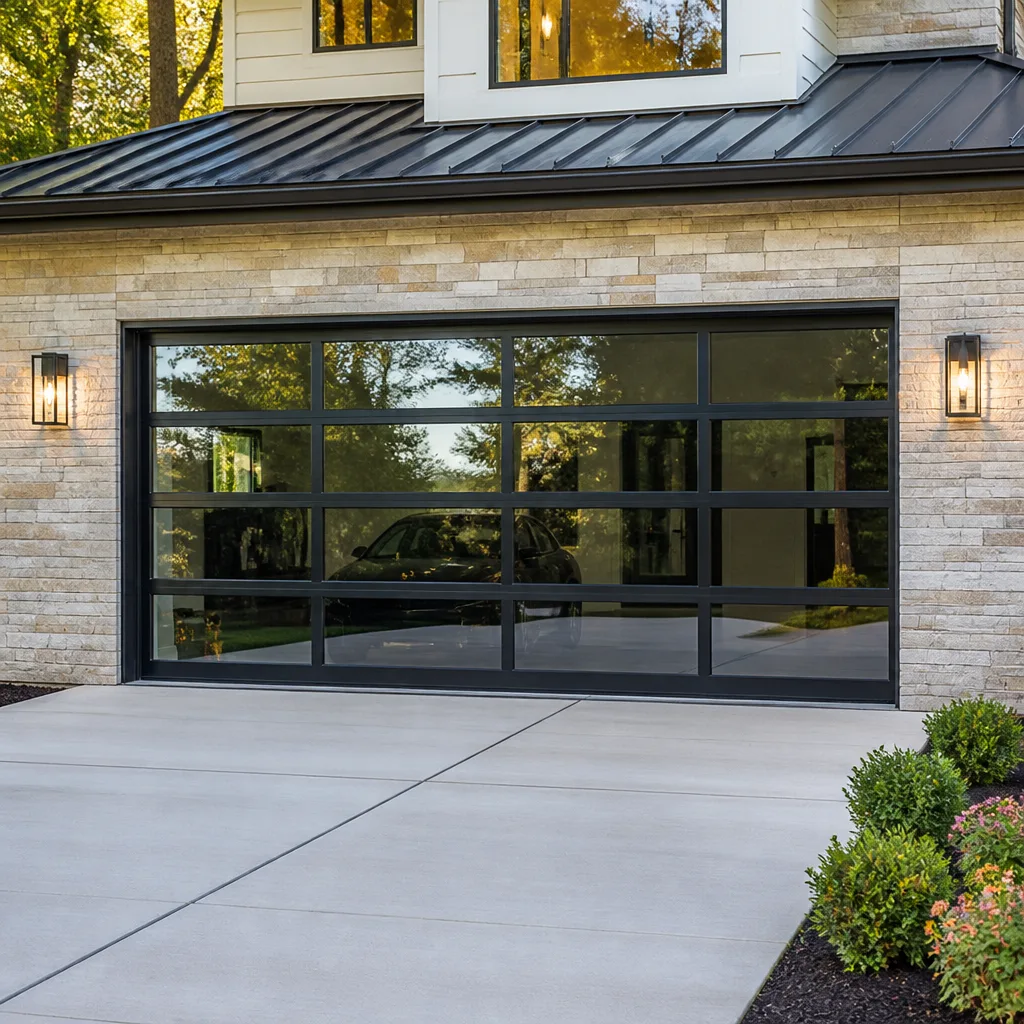 Full-view glass
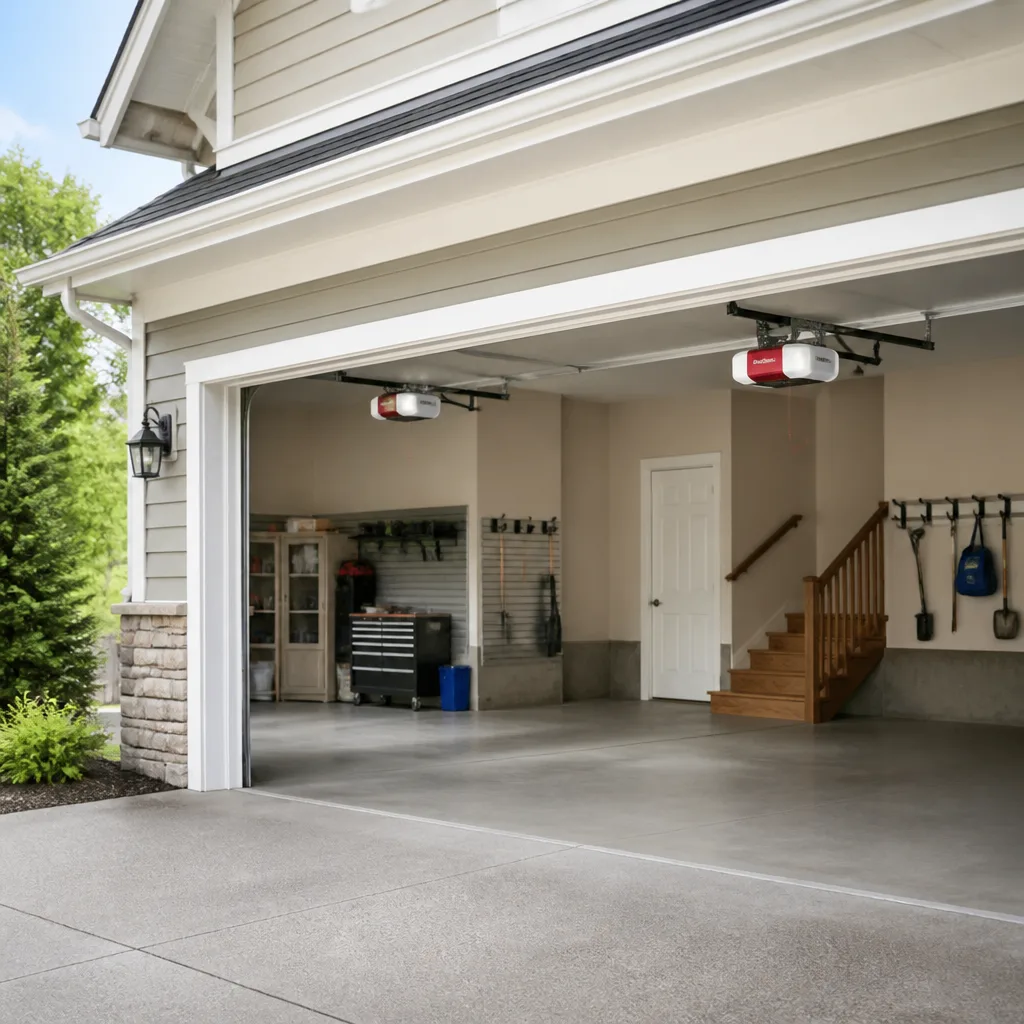 LiftMaster openers
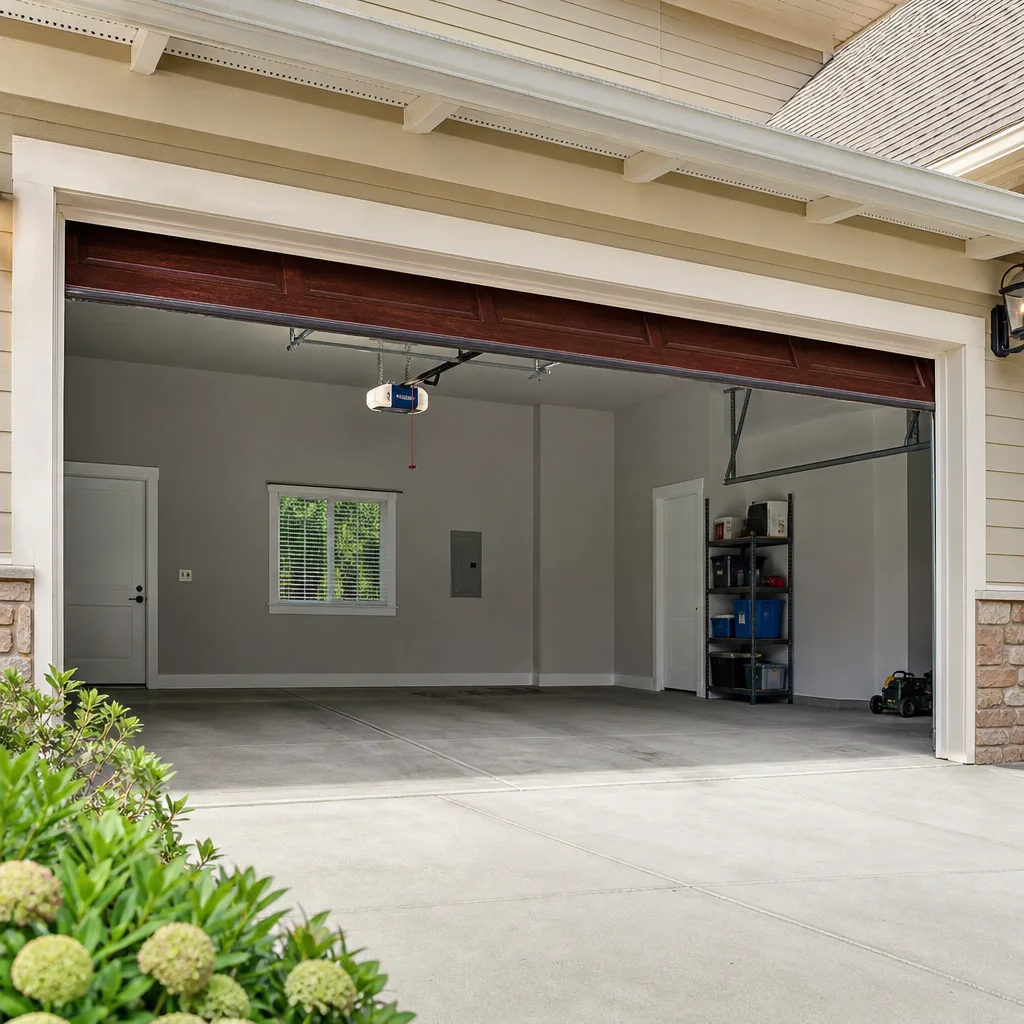 Chamberlain openers
Full 25-point door and opener safety check with every visit - springs, cables, rollers, tracks, and your LiftMaster or Chamberlain opener included
You get a price before we start. It does not change when the truck arrives.
Get your free estimateThe Complete Guide to Garage Door in Dallas
Dallas averages 49 days above 100°F per decade, and the Blackland Prairie clay under your foundation can shift more than an inch between drought and rainy season. Your garage door is bolted to that moving ground and baked by that heat every single day. Generic garage door advice doesn’t account for either variable. This guide explains how Dallas conditions stress every part of your door system, what actually fails first, what repairs cost in this market, and when replacement makes more sense than patching, with a Garage Door Cost Breakdown: The Dallas Homeowner’s Reference for 2026 to help you budget. We’ve repaired doors across Dallas since 2001, and the patterns are consistent: spring failures spike after summer heat waves, panel damage follows hailstorms, and frames go out of square when the clay moves.
Quick Answer
A garage door in Dallas typically lasts 15 to 30 years depending on material, but its moving parts fail on much shorter cycles: torsion springs last 7 to 12 years in North Texas heat, opener motors 10 to 15 years, and weatherstripping often cracks within 2 to 3 summers. Repair costs in Dallas range from $125 for a minor roller or weatherstrip fix to $350 for a spring replacement and $600 to $1,800 for a new opener or door section. The two Dallas-specific killers are clay-soil movement throwing your frame out of square and triple-digit heat accelerating spring and seal deterioration.
Styles & brands we work with
Table of Contents
- The Anatomy of a Dallas Garage Door System
- How Dallas Climate and Clay Soil Damage Garage Doors
- Best Garage Door Materials for Dallas Heat and Hail
- Garage Door Repair Costs in Dallas: What to Expect
- Repair or Replace? A Dallas Homeowner’s Decision Map
- What Threshold Verified Pricing Means for Dallas Homeowners
- Dallas Garage Door Maintenance: The 10-Minute Quarterly Routine
- Common Mistakes to Avoid
- When to Call a Professional
- Frequently Asked Questions
The Anatomy of a Dallas Garage Door System
Most homeowners see a garage door as one big moving panel. It’s actually a system of a dozen interdependent parts, and a failure in any one of them puts stress on the others. Understanding these parts helps you describe problems accurately over the phone and spot issues before they become emergencies.
The Heavy Lifters: Springs and Cables
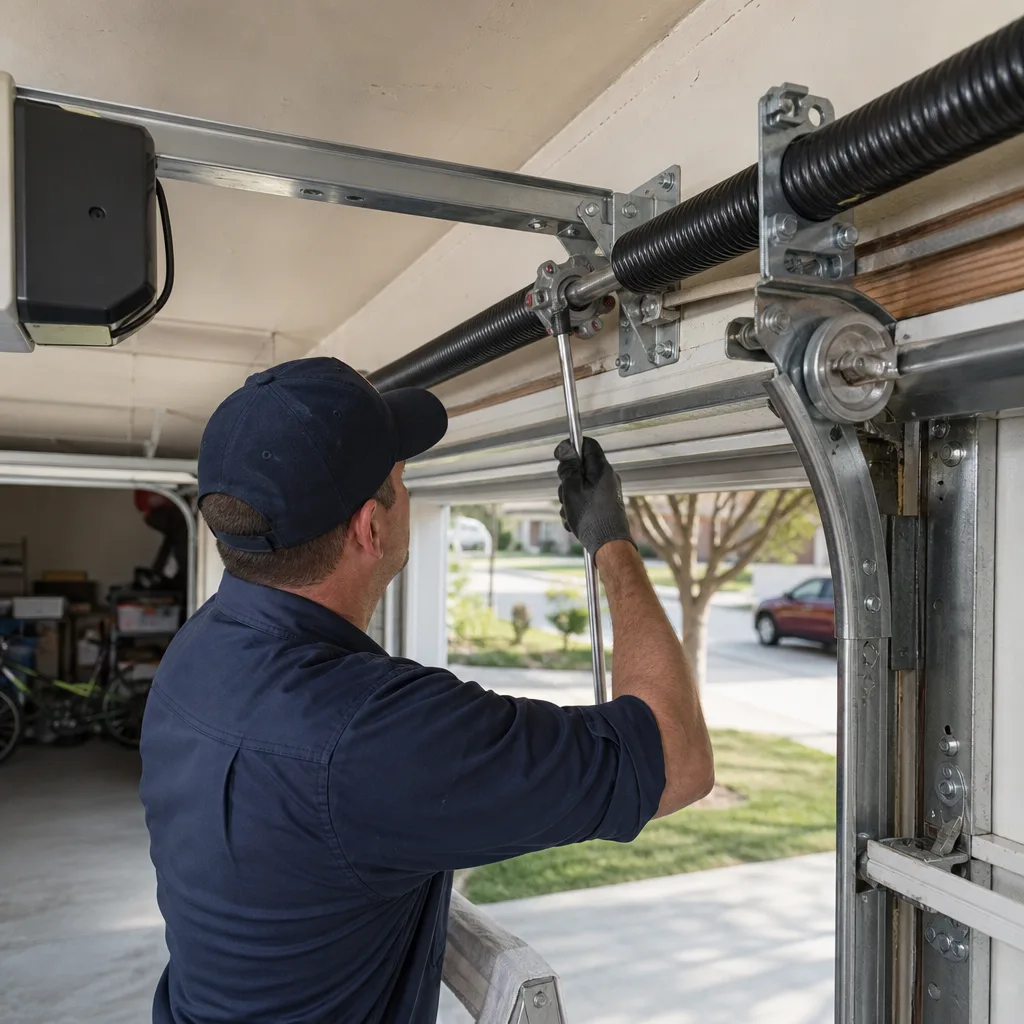
Torsion spring – the large coil mounted on a metal shaft above the center of the door opening – stores the mechanical energy that does most of the lifting. When you raise the door, this spring unwinds and transfers tension to the lift cables. In Dallas, torsion springs fail faster than the national average because the extreme temperature swings between summer afternoons and winter nights cause the steel to fatigue through repeated expansion and contraction.
Extension springs run along the horizontal tracks on either side of lighter, older doors. These are less common on modern Dallas installations but still appear on many homes built before 1995. Extension springs stretch rather than twist, and they fail with more dramatic force.
Lift cables – braided steel wires that run vertically on both sides – connect the bottom bracket of the door to the spring system. When a spring snaps, the cable often comes loose immediately after. A frayed cable is a red flag that replacement is overdue. Never attempt cable repair yourself; the stored tension can cause serious injury. We’ve seen cables slice through gloves and work shirts when mishandled.
The Motion Hardware: Track, Rollers, and Hinges
Vertical and horizontal tracks guide the door’s path. In Dallas, clay-soil movement pushes the concrete slab and the door frame out of square, which bends or twists the tracks over time. When tracks are out of alignment, every other part works harder.
Rollers are the small wheels that ride inside the track. Nylon rollers last longer than steel in Dallas humidity swings and run quieter. Steel rollers on uninsulated doors from the 1990s often corrode at the bearing, causing grinding sounds.
Hinges connect the horizontal door sections at the panel seams. The bottom bracket – the thick metal plate at each bottom corner where the cable attaches – endures more stress than any other bracket on the door. This is the part that rips free when a spring is misadjusted and the door operates under unbalanced load.
The Brain: Opener and Safety Systems
The opener motor, usually a belt-drive or chain-drive unit mounted to the ceiling, powers the trolley carriage – the sliding bracket that pulls or pushes the door along the center rail. The limit switch tells the opener where the door should stop at the top and bottom of its travel. When limit switches drift out of calibration, the door slams down too hard or reverses unexpectedly. In Dallas heat, opener circuit boards run hot and can fail prematurely, especially in west-facing garages that absorb afternoon sun.
Photo-eye sensors, mounted six inches off the floor on each side of the opening, protect against closing on a person, pet, or object. Direct sunlight can blind some older sensor models on east- and west-facing Dallas driveways.
How Dallas Climate and Clay Soil Damage Garage Doors
This is what most national garage door guides miss entirely. A garage door in Dallas does not behave like one in Phoenix or Atlanta or Chicago. Here’s what our service calls confirm year after year.
Expansive Clay Soil and Frame Movement
Dallas sits on the Blackland Prairie formation, a clay-heavy soil that swells when wet and shrinks when dry. That movement isn’t subtle. A slab foundation can move half an inch to more than an inch between a wet spring and a dry August. Your garage door frame sits on that slab. When the frame moves, the tracks move. When the tracks move, the door binds, scrapes, or refuses to close. Spring tension also goes out of calibration because the door doesn’t travel along a true vertical path anymore.
We see this most often in neighborhoods with older pier-and-beam homes in East Dallas, Lakewood, and Casa View, and on slab homes throughout Garland, Mesquite, and Richardson wherever drainage directs water toward the garage side of the house. The fix is usually track realignment and spring recalibration, not door replacement. But ignoring it turns a $150 adjustment into a $400 track-and-bracket rebuild.
Triple-Digit Heat and Its Effect on Springs, Seals, and Opener Electronics
Spring steel is rated for a certain number of cycles, typically 10,000. Heat doesn’t reduce the cycle count directly, but it accelerates metal fatigue through thermal expansion. A torsion spring in a west-facing Dallas garage can reach 120°F to 130°F on a July afternoon, then cool to 80°F at night. That daily expansion and contraction stresses the coil at the microscopic level. We replace more springs in September, after a full summer of this cycling, than any other month.
The bottom rubber weather seal, called the astragal in the trade, is a sacrificial part in Dallas climate. Direct sun on a south-facing driveway degrades the rubber in 24 to 36 months. Once it cracks, you lose your seal against dust, pests, and the occasional flash flood. It’s a $75 to $125 fix for a part that should be considered a regular maintenance item in North Texas.
Opener electronics fail differently in Dallas too. The control board inside the motor housing runs hot in unconditioned garages. We replace circuit boards in LiftMaster and Chamberlain openers more frequently in Dallas than our colleagues report from cooler cities. If your opener starts acting erratically in August – opening halfway, reversing for no reason, ignoring the wall button – heat-related board failure is a strong possibility.
Hail: The Wildcard No One Budgets For
Dallas hail storms hit fast and hard. A storm that dents the roof and cars also dents garage door panels. Hail damage on a steel door looks like shallow dimples. On aluminum, it can crack the panel. On fiberglass, it can shatter. Damaged panels don’t affect operation immediately, but dents weaken the panel structure, and water can enter through cracks and cause rust or delamination. After a major hail event in Dallas, most homeowners file insurance claims that include garage door replacement. Have your door inspected even if the damage looks cosmetic; dents along panel seams can accelerate hinge failure.
Best Garage Door Materials for Dallas Heat and Hail
If you’re buying a new door in Dallas, material choice matters more than color. These are the options, ranked by how they handle North Texas conditions.
Steel: The Dallas Default, With the Right Gauge and Coating
Steel dominates the Dallas market because it handles heat and hail better than wood or fiberglass, and it costs less than full-custom options. The critical spec is gauge. Lower gauge numbers mean thicker steel. For Dallas, 24-gauge is the minimum; 25-gauge doors from national box stores dent too easily in hail and show waviness in direct heat. Premium Clopay and Amarr doors use 24-gauge or even 20-gauge steel on the face. The second spec is the rust-resistant coating. Look for a factory-applied primer and baked-on finish, not an exposed metal panel. Galvanized steel interiors cost more but survive years of Dallas humidity swings without rusting at the seams.
Insulation and R-Value: It’s Not About the Cars
Most Dallas garages aren’t air-conditioned, but that doesn’t make insulation pointless. An insulated door reduces heat transfer into an attached garage, which keeps the room above it cooler and reduces strain on your HVAC. R-value measures thermal resistance. A basic non-insulated door rates around R-2. A polyurethane-insulated door can reach R-18. The difference matters in a Dallas July. Polystyrene insulation – rigid foam panels inserted into the door sections – is the standard mid-range option at R-6 to R-9. Polyurethane – foam injected into the door that bonds to both faces – offers the highest R-value and also makes the door stiffer and more dent-resistant. For Dallas, a polyurethane door at R-12 or above is the sweet spot for attached garages, and the cost difference over polystyrene is usually $300 to $600 for a double door.
Wood and Wood Composite: Beautiful, High-Maintenance in This Climate
Wood doors warp and crack in Dallas unless they’re diligently sealed twice a year. Solid wood also expands and contracts with humidity swings, which throws off spring calibration and stresses hinges. Wood composite panels on a steel frame split the difference; they give you a stained-wood look with less movement. If you choose wood, expect to reseal it every spring and fall, and budget for more frequent spring recalibration. Our garage door installation in Dallas consultations cover these trade-offs in detail.
Aluminum and Glass: The Modern Look, the Hail Risk
Full-view aluminum doors are popular in contemporary Dallas homes in neighborhoods like Uptown, Knox-Henderson, and Bishop Arts. They look sharp, but the aluminum frames and glass panels are vulnerable to large hail. If you choose this style, select tempered glass panels and budget for panel replacement as an eventual insurance-covered repair.
Garage Door Repair Costs in Dallas: What to Expect
Dallas pricing runs close to the national average, with some local variation driven by travel distances and heat-season demand. These are the ranges we quote daily across the Dallas market, from Oak Cliff to Far North Dallas:
- Torsion spring replacement: $180 to $340 for a standard two-spring system, including labor and parts. Single-spring doors run $140 to $220.
- Roller replacement on a double door: $125 to $200 for a full set of nylon rollers.
- Bottom weather seal replacement: $75 to $125 installed.
- Cable replacement: $120 to $180 per cable, including spring de-tensioning and re-balancing.
- Track realignment due to frame movement: $150 to $275 depending on severity.
- Hinge or bracket replacement: $80 to $150 per hinge; bottom brackets run $120 to $200.
- Opener repair (board, gear, or limit switch): $120 to $250 for parts and labor.
- Full opener replacement with installation: $450 to $850 for a quality belt-drive LiftMaster or Chamberlain unit.
- Hail-damaged panel replacement: $250 to $500 per panel depending on door brand and panel width.
- Complete door replacement (double, insulated steel): $1,400 to $3,500 installed, depending on gauge, insulation, and hardware grade.
These are line-item ranges, not a bundled mystery price. On every job, the price is written down and handed to you before any work begins. No verbal estimates, no surprise line items added at the end. For a full breakdown of repair pricing, see our Garage Door Repair in Dallas page.
For opener-specific work, our garage door opener repair in Dallas guide covers LiftMaster, Genie, Chamberlain, and Raynor units in detail, including troubleshooting steps you can do yourself before calling.
Repair or Replace? A Dallas Homeowner’s Decision Map
Not every broken door needs replacing, and not every repair makes financial sense on a door that’s nearing the end of its life, so see our DIY vs Professional Garage Door: The Dallas Homeowner’s Decision Guide to weigh your options. This decision map factors in the three variables that matter most in Dallas: spring-system age, door material, and hail damage.
When to Repair
- The door is younger than 12 years and the panels are straight. A door in good structural shape is almost always worth repairing. Springs, rollers, cables, and opener parts are consumables; replacing them is normal maintenance.
- The issue is isolated to one moving part. A snapped spring, a worn roller, a frayed cable – these are replacement parts, not door problems. Fix is straightforward and cost-effective.
- The frame moved but the door itself is intact. Clay-soil movement in Dallas throws tracks and springs out of alignment, but that’s an adjustment issue, not a door-quality issue. Re-aligning and re-balancing restores proper operation.
- Hail damage is cosmetic and limited to one panel. Insurance often covers individual panel replacement. A single dented panel on a 24-gauge door doesn’t require full replacement unless the door is discontinued and panels aren’t available.
When to Replace
- The torsion springs have already been replaced once and failed again within 3 years. This usually indicates the door has gained weight (paint layers, added insulation, or water absorption) or the door isn’t properly balanced. On a door older than 15 years, replacement often beats repeated spring work.
- Multiple panels show hail damage or rust-through. Panels on older Dallas doors from the early 2000s often don’t have factory rust protection. When corrosion reaches the interior steel, integrity is compromised.
- The door is single-layer, non-insulated steel from before 2005. These doors lack the structural stiffness and coating of modern construction. Upgrading to a polyurethane-insulated 24-gauge door improves heat resistance, hail resistance, and energy efficiency simultaneously.
- You want an insulated door for an attached garage. Dallas summers make this a practical upgrade, not a luxury. The cost difference over time – through lower cooling loads on the room above the garage – offsets the initial investment within a few years.
When a replacement makes sense, we provide a written price with every option spelled out before you commit to anything. No pressure, no upsell. The decision is yours, informed by the numbers.
What Threshold Verified Pricing Means for Dallas Homeowners
The garage door trade has a reputation problem: unmarked vans, no-name techs, verbal quotes that balloon by the time the paperwork arrives. Dallas homeowners tell us this constantly. The Threshold Standard exists to eliminate exactly that uncertainty, and here’s what it looks like on an actual service call.
First, you know who is coming before they arrive. When you book with Doyle Garage Doors Dallas, we send the technician’s name and photo to your phone before the visit. The tech arrives in a clean marked uniform and shows a photo ID badge at the door. Every time. No exceptions. This is not a marketing promise; it’s an operating rule of the Threshold Standard, and it exists because opening your door to a stranger forces a small moment of trust. We hand you proof before you extend it.
Second, the price is in writing before work starts. The tech diagnoses the problem, writes the repair cost on paper, and hands it to you. You review it. You approve it or you don’t. Nothing gets turned until you sign off. That’s the no-hassle upfront pricing commitment, and it applies to every job from a $75 weather seal to a $3,500 door replacement.
Third, the repair is guaranteed in writing for 365 days. The 365-Day Done Right Promise states it plainly: if the repair fails within one year, we come back and make it right at no charge. No fine print about “normal wear” or “adjustments excluded.” It’s the longest clearly stated guarantee in the trade, and it applies to every repair, every time, in writing.
Since 2001, Doyle Garage Doors Dallas has operated as part of the Threshold Group family of home-service companies. Each location is independently owned and operated under the Threshold Verified standard, and Aaron Teague leads the Dallas team. You get local accountability with a verifiable standard behind it.
Dallas Garage Door Maintenance: The 10-Minute Quarterly Routine
Fifteen minutes four times a year prevents most emergency repair calls. Here’s the routine we recommend to every homeowner in Dallas, timed to the seasons because the climate demands it, and you can find more guides & resources on our blog.
- Watch a full open-close cycle from the inside. Look for jerky movement, scraping sounds, or the door drifting off the vertical path. If anything looks wrong, stop and inspect before the door gets worse.
- Check the balance. Pull the red emergency release handle and lift the door manually. A properly balanced door stays put when you lift it halfway. If it drops, the springs are losing tension or the door gained weight. This is the single most telling check in your routine.
- Inspect the cables. Look for fraying, rust, or loose strands. Touch the cables on both sides and compare tension; they should feel equally taut.
- Examine the bottom seal. Run your hand along the astragal. Cracks, tears, or brittleness mean replacement time. Do this every spring after the last freeze and every September after peak heat.
- Tighten visible bolts. The constant vibration of daily operation loosens bracket bolts over time. A socket wrench on the track brackets and hinge bolts prevents wobble-induced wear.
- Clean the photo-eye lenses. Dust and spider webs block the safety sensor beam and cause phantom reversals. A dry cloth does the job.
- Lubricate the moving parts with a silicone spray. Roller bearings, hinges, and the torsion spring coil. Never use WD-40; it’s a solvent, not a lubricant, and it strips away protective oils. Never lubricate the track itself; rollers need friction on the track surface.
This routine catches the Dallas-specific issues early: clay-induced frame movement shows up as balance problems, heat damage shows up as brittle seals, and hail shows up as panel inspection needs.
Common Mistakes to Avoid
- Ignoring a squealing door. That sound means metal-on-metal contact or dry bearings. Every day you ignore it, the wear spreads to other parts. A $20 roller replacement becomes a $200 bracket rebuild if the vibration works the hinge loose.
- Spraying WD-40 on the tracks or springs. It’s the most common DIY mistake we see in Dallas. WD-40 is a water displacer and solvent. It cleans off lubricant and leaves parts drier than before. Use white lithium grease or silicone spray only.
- Adjusting the limit switch without checking the balance first. When a door slams or reverses on a flat surface, the balance is often the culprit. Adjusting travel limits masks the real problem and puts more stress on the opener.
- Waiting until a spring actually snaps. Springs give warning signs: a loud pop, visible gaps in the coil, the door feeling significantly heavier. Replacing a worn spring proactively costs the same as an emergency replacement, but you control the timing.
- Assuming the whole door needs replacing after a single part fails. A snapped cable or worn roller doesn’t sentence the door. Dallas homeowners replace perfectly good doors because a tech from another company quoted a full replacement instead of a targeted repair. Get a second opinion when this happens.
- Forgetting that Dallas hail season is an insurance event. After spring storms, document door damage with photos and call your insurer before paying out of pocket. Hail-covered panel replacement is one of the most common insurance claims in North Texas, and garage doors are included in most policies.
When to Call a Professional
Call us instead of attempting a fix when the torsion spring is broken, the cables are frayed or slack, or the door has fallen off its tracks. These jobs involve stored mechanical energy that can release without warning; a spring under tension carries enough force to break bone. Opener circuit-board diagnostics and track realignment after frame movement also need an experienced eye. If you hear any loud bang from the garage – that’s a spring letting go, not a strange neighbor. Doyle Garage Doors Dallas offers free estimates throughout Dallas, and you can reach a live person any hour of any day at (972) 362-1457. No bots, no callback forms, no voicemail tree.
Frequently Asked Questions
A torsion spring replacement in Dallas typically costs $180 to $340 for a standard two-spring system, including parts and labor. Single-spring doors run $140 to $220. The price depends on the door’s weight and the spring’s cycle rating. Call (972) 362-1457 for an exact quote – estimates are free, and the price is written down before any work starts.
Dallas triple-digit heat expands the metal in the tracks, springs, and door panels, and combined with clay-soil foundation movement, the door goes out of square. The springs then work against increased friction and a misaligned frame. Annual track realignment and spring recalibration, done before peak summer, prevents most of this.
For most repair calls – broken springs, snapped cables, door off track – we’re typically on-site within hours of your call in Dallas. The repair is often completed on the first visit since our trucks carry the common spring sizes and hardware for the major brands. Call (972) 362-1457 and a live person will tell you the current schedule.
No. With Doyle Garage Doors Dallas, the price is written down and handed to you before any work begins, and it doesn’t change after the fact. The figure you approve is the figure you pay. That’s the no-hassle upfront pricing commitment, on every job, from a $75 weather seal to a full door replacement.
Yes. Our Dallas trucks carry torsion springs in the common weight classes, lift cables, rollers, bottom brackets, hinges, weather seals, and opener gear kits for LiftMaster, Chamberlain, Genie, and Raynor units. Most repairs are completed in a single visit without waiting for parts delivery.
A quality 24-gauge insulated steel door installed in Dallas should last 20 to 30 years with regular maintenance. Springs last 7 to 12 years. Openers last 10 to 15 years. Weather seals last 2 to 3 years in North Texas sun. The door itself outlives its moving parts several times over.
The Bottom Line
A garage door in Dallas is a system under constant stress from heat, hail, and shifting clay soil. The parts fail in predictable patterns – springs after summer, seals every few years, frames whenever the ground moves. The repairs are not mysterious or expensive when caught early, but they become costly when ignored. Buy the right materials for this climate, run the quarterly maintenance routine, and treat repair-versus-replace as a math decision, not a gamble. And when you need a pro, the Doyle Garage Doors Dallas home team sends a named, verified technician with a written price and a written 365-day guarantee. That’s what a garage door company in Dallas should be.
Written by Aaron Teague, Owner at Doyle Garage Doors Dallas, serving Dallas since 2001.
For service today, call (972) 362-1457. A real person answers, any hour, any day.
See the difference
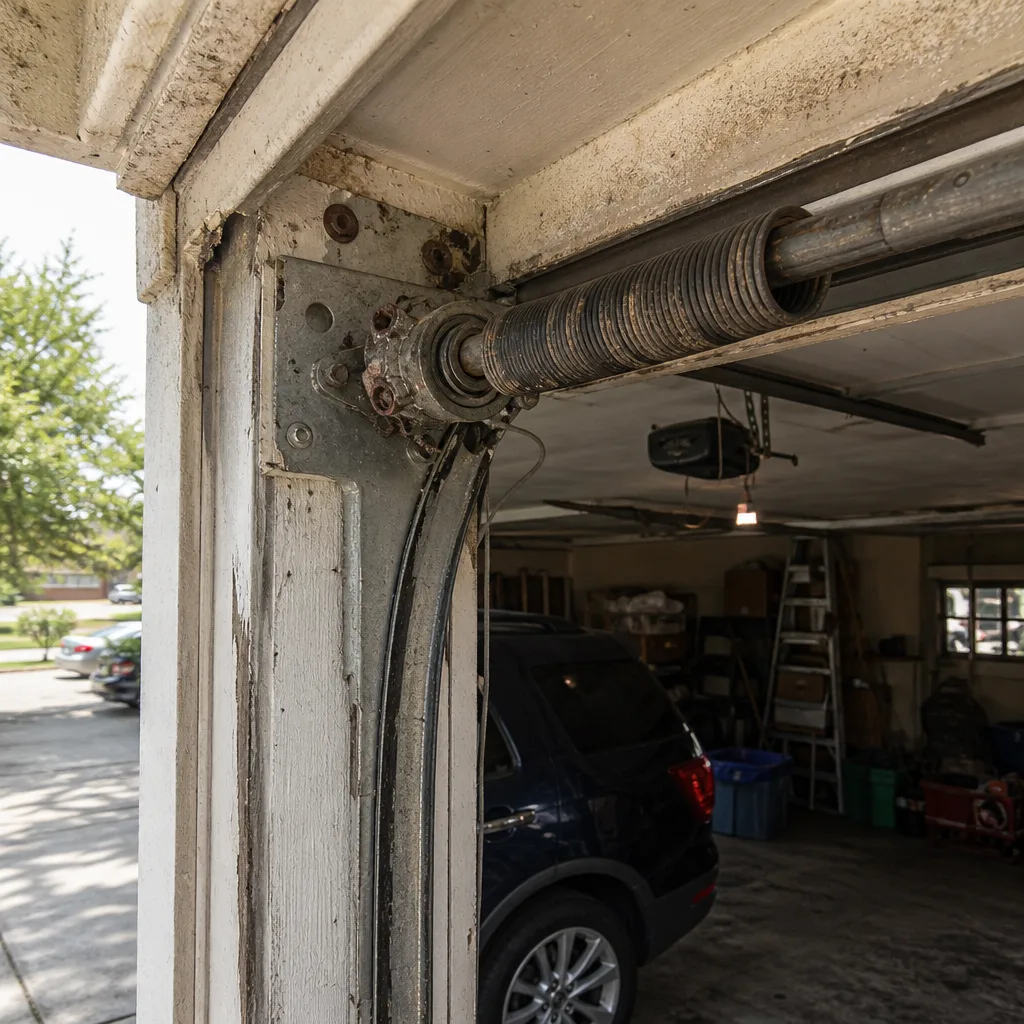 Before
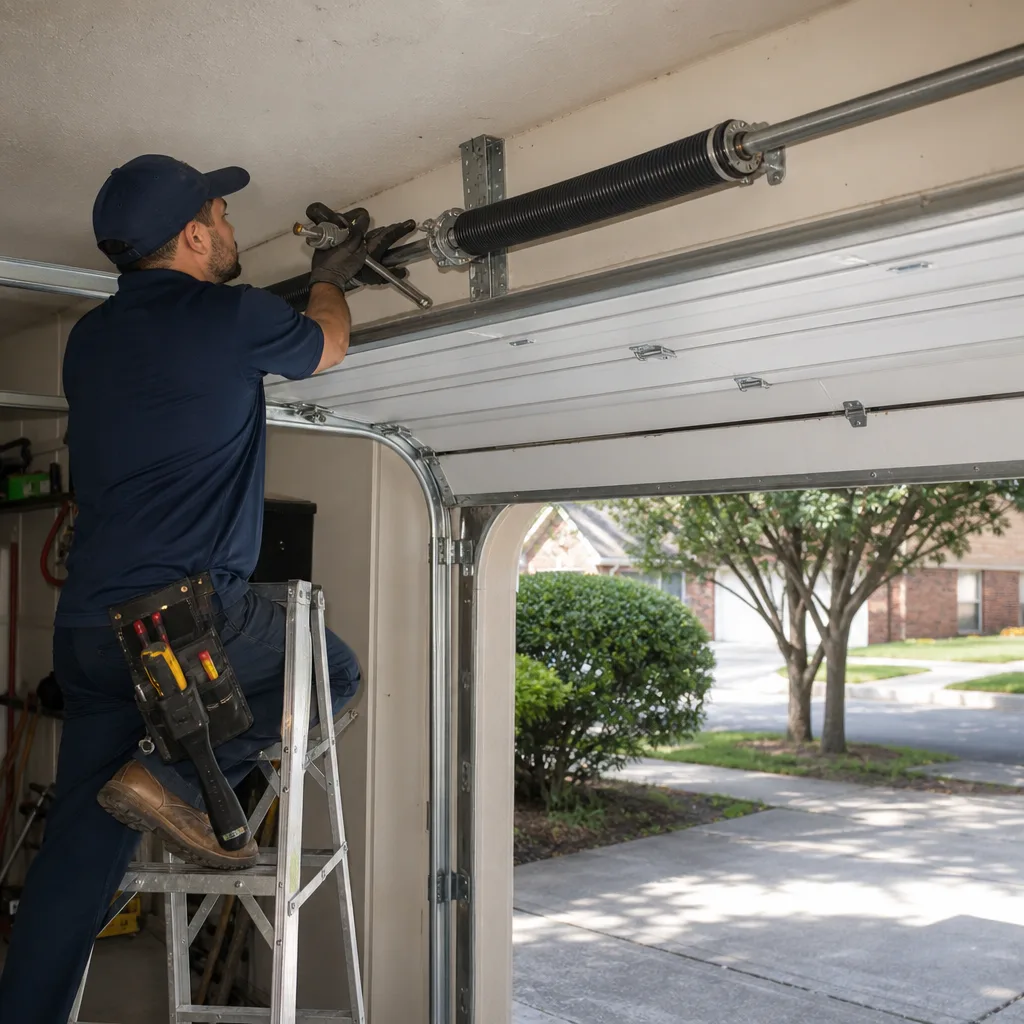 After
After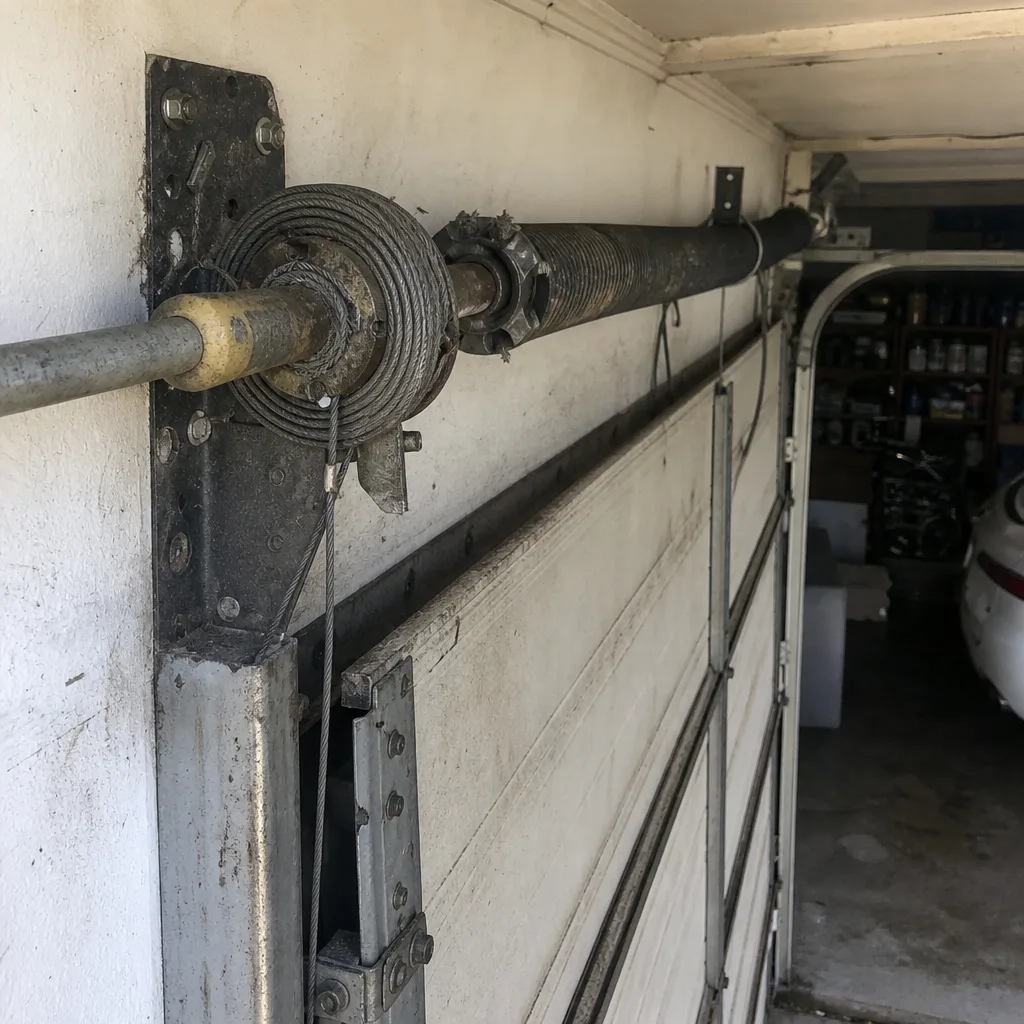 Before
 After
After Before
 After
After