
Last updated October 16, 2026
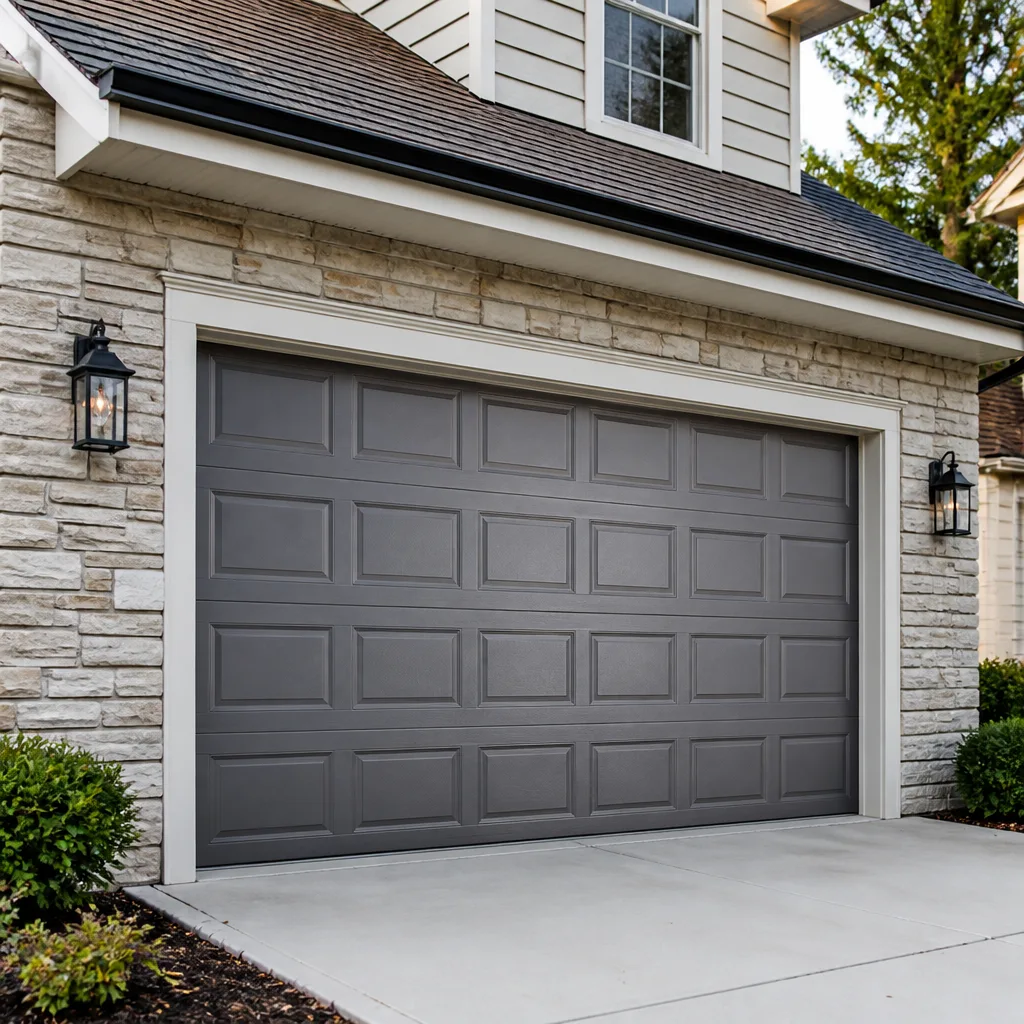 Raised-panel steel
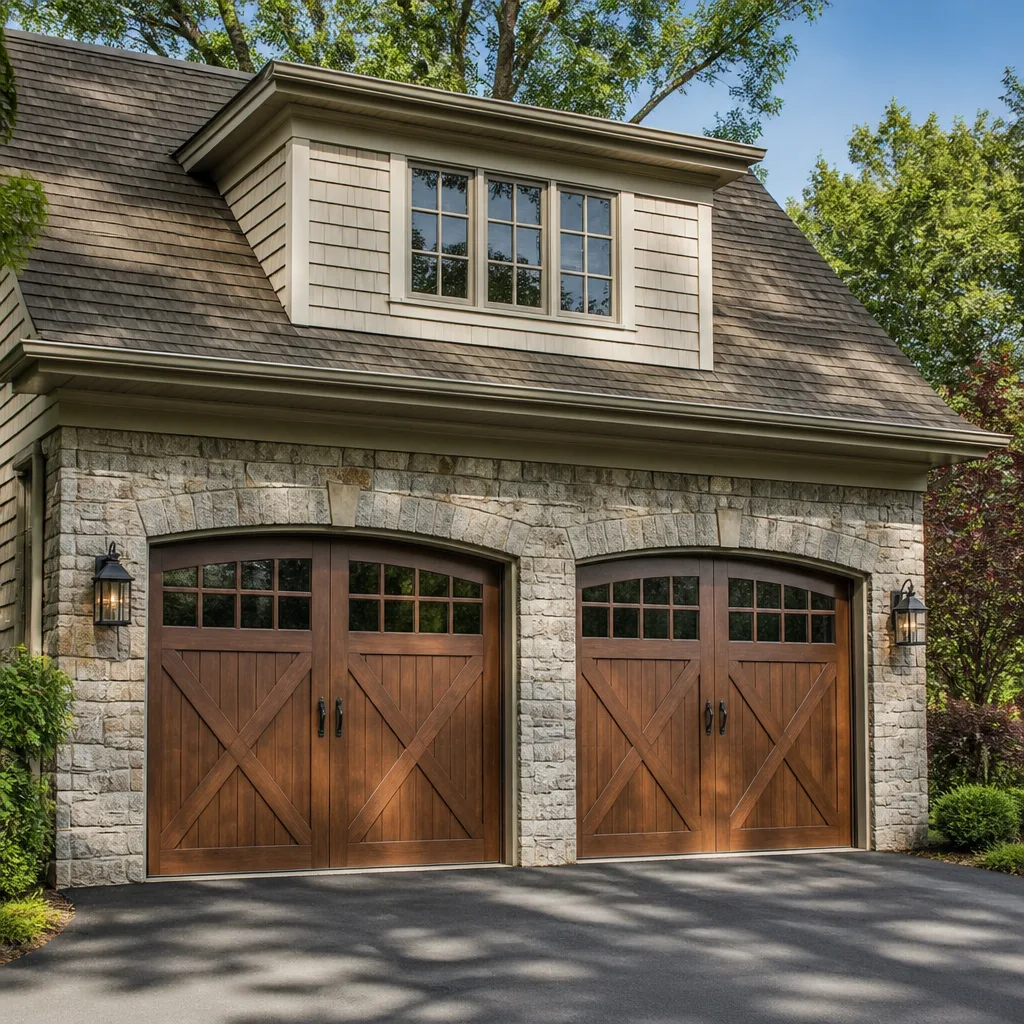 Carriage house
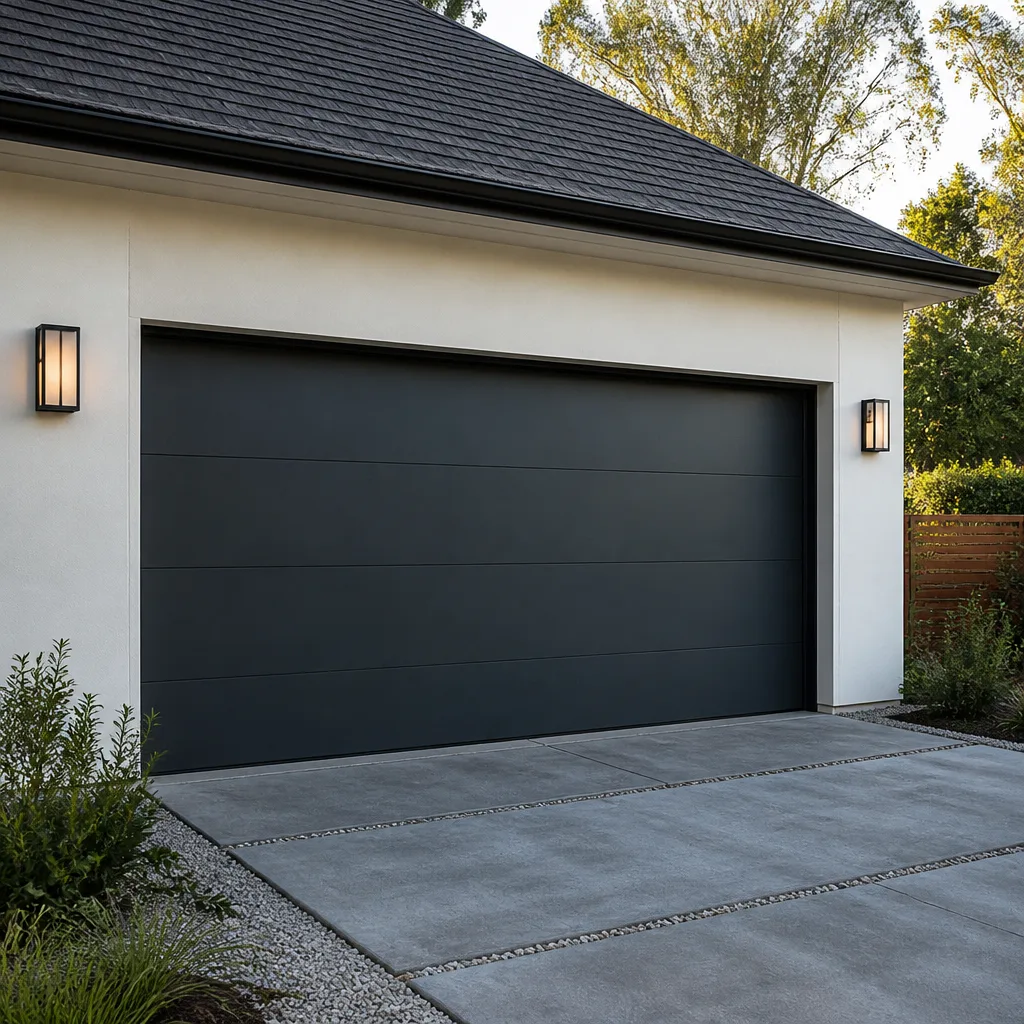 Modern flush
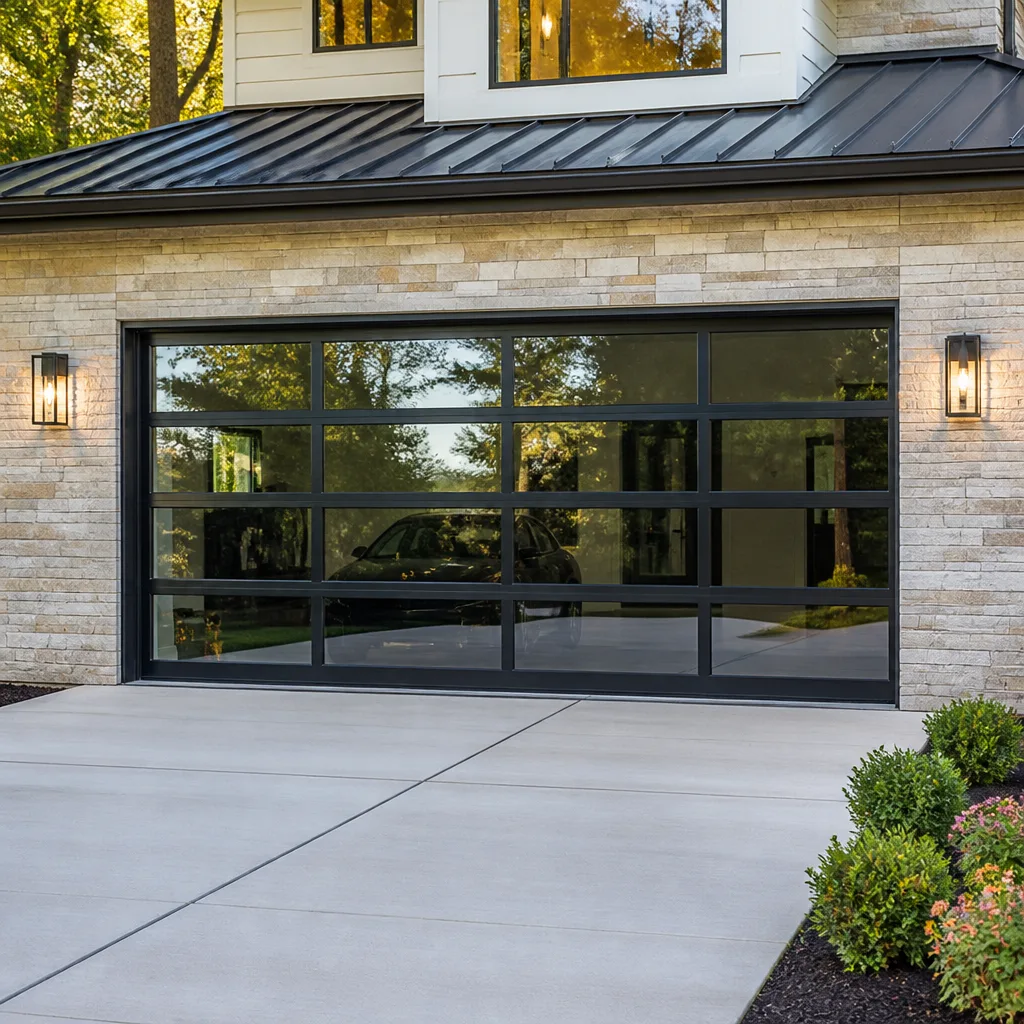 Full-view glass
 LiftMaster openers
 Chamberlain openers
Full 25-point door and opener safety check with every visit - springs, cables, rollers, tracks, and your LiftMaster or Chamberlain opener included
You get a price before we start. It does not change when the truck arrives.
Get your free estimateSeasonal Garage Door Care for Dallas: Year-Round Homeowner’s Guide
Dallas gets an average of 8 significant hail events per year, more than any other major U.S. metro. Yet most garage door care guides you’ll find online are built around a generic four-season calendar that has almost nothing to do with what your door actually endures in North Texas. This guide replaces that outdated model with a Dallas-specific care calendar built around three high-stress windows: spring hail season, the summer heat peak, and the brief but brutal ice-storm window, plus one relatively safe maintenance window in fall you should use aggressively. For a deeper dive, see The Complete Guide to Garage Door in Dallas. You’ll learn what to check, when to check it, what you can handle yourself in under ten minutes, and when the right call is a professional from Dallas who knows exactly what our climate does to garage hardware.
Quick Answer
Seasonal garage door maintenance in Dallas, TX should follow a four-window calendar that matches North Texas weather reality: pre-hail-season prep in late February through March, post-hail inspection by early June, heat-peak lubrication and limit-switch checks in July and August, and a full-service maintenance window in October and November before ice-storm risk arrives. The two highest-ROI seasonal tasks are hail-dent assessment for panel structural integrity and summer limit-switch recalibration, since thermal expansion in 100°F conditions is the leading cause of opener miscalibration and panel bowing in the Dallas market. A homeowner can handle lubrication, visual inspection, and the two-minute limit-switch check, while spring tension testing and post-hail structural assessment should involve a trained technician, given the genuine injury risk of torsion spring systems. Not sure which path fits your situation? Our DIY vs Professional Garage Door: The Dallas Homeowner’s Decision Guide breaks it down.
Styles & brands we work with
Table of Contents
- The Dallas Four-Window Care Calendar (Replacing the Generic Four Seasons)
- Window 1: Pre-Hail-Season Prep (Late February through March)
- Window 2: Post-Hail Inspection Protocol (April through Early June)
- Window 3: Heat-Peak Maintenance (July through August)
- Window 4: Ice-Storm Readiness and Fall Full-Service Window (October through November)
- What Dallas Homeowners Can Safely Do Themselves vs. What Needs a Pro
- Common Mistakes to Avoid
- When to Call a Professional
- Frequently Asked Questions
The Dallas Four-Window Care Calendar (Replacing the Generic Four Seasons)
Most garage door maintenance guides written for a national audience tell you to do a spring tune-up, a summer inspection, a fall lubrication, and a winter weatherproofing pass. That model assumes a climate with four roughly equal seasons. Dallas doesn’t have that. We have a long, punishing summer, a short and occasionally violent hail season, and a winter that arrives in unpredictable bursts rather than a sustained freeze. What matters here is not the calendar quarter, it’s the stress event.
After 20-plus years of garage door repair in Dallas, we’ve learned to think in terms of three high-stress windows and one recovery window:
- Late February through March: Pre-hail-season prep. Get the door structurally sound before the first big storm system rolls through the Metroplex.
- April through early June: Post-hail inspection. Assess panel dents, weatherseal damage, and track alignment after North Texas hail season peaks.
- July through August: Heat-peak maintenance. Thermal expansion is at its worst, and this is when limit switches miscalibrate and steel panels show bowing.
- October through November: Fall full-service window. The single best opportunity for a comprehensive annual service, before ice-storm risk arrives and parts lead times lengthen.
Each of these windows has a specific set of tasks, which we’ll walk through below. Doing all four means your door gets checked at least four times a year at the moments when it’s most vulnerable, rather than on an arbitrary spring-fall schedule that ignores what Dallas weather actually does.
Window 1: Pre-Hail-Season Prep (Late February through March)
Hail season in Dallas typically peaks between March and May, and the storms that produce significant hailstones often arrive with minimal warning. The prep window is late February through March. The goal is not to make your door hail-proof, no residential garage door is. The goal is to make sure the door is structurally sound enough to survive a storm without turning minor cosmetic damage into a functional failure.
Here’s the pre-hail prep checklist we walk our Dallas customers through every year:
- Inspect all panel seams and joints. Run your hand along the horizontal seams between door sections and look for separation, rust, or visible fasteners that have backed out. Hail impact concentrates stress at the seams. A door with a weakened seam is far more likely to suffer panel blowout in a storm than a door with tight, well-fastened sections.
- Check weatherseal along the bottom. The rubber gasket on the bottom of the door, called an astragal, is your first line of defense against wind-driven rain during a hailstorm. If it’s cracked, brittle, or pulling away at the corners, replace it before storm season. A failed seal lets water in, and water on the tracks plus hail debris is a recipe for rust and binding.
- Lubricate all moving parts. Use a silicone-based garage door lubricant, not WD-40, on the hinges, rollers, and torsion spring. WD-40 is a solvent that strips existing lubrication. A properly lubricated door moves more freely, which matters during and after a storm when you’re cycling the door while it’s wet and possibly carrying small debris.
- Test the auto-reverse safety feature. Place a 2×4 flat on the floor under the door and close it. The door should reverse within two seconds of contacting the wood. If it doesn’t, the safety sensor needs attention. In hail season, a door that doesn’t reverse properly is a serious risk if something, or someone, is in the path while you’re distracted by an approaching storm.
- Tighten all track bolts and roller brackets. Hail storms bring high winds, and a door with loose track hardware will shake and rattle in ways that accelerate wear. A socket wrench and five minutes gets this done. If any bolts are stripped, replace them now, not after the track has shifted.
This prep pass takes most Dallas homeowners about 30 minutes. If you find anything that concerns you during the inspection, a spring tension check or a track alignment issue, that’s the time to call us. Getting a technician out in March is a lot easier than getting one out the morning after a hailstorm, when every door company in the city is booked solid.
Window 2: Post-Hail Inspection Protocol (April through Early June)
By early June, Dallas has usually been through the worst of hail season, and the post-storm inspection is the single most skipped maintenance task we see in this market. Most homeowners assume that if the door still opens and closes, everything is fine. That assumption is wrong. Hail damage falls into two categories, cosmetic and structural, and telling them apart requires a deliberate inspection, not a glance.
How to Assess Panel Dents: Cosmetic vs. Structural Compromise
Here’s the practical framework we use on Dallas homes after a significant hail event:
- Cosmetic dents are shallow, typically less than 1/4 inch deep, with no cracks, no separation from the panel frame, and no visible damage to the panel core. They affect appearance only. You can live with them indefinitely.
- Structural dents are deeper, often accompanied by cracking around the dent perimeter, creasing along the panel edge, or visible separation between the outer steel skin and the interior panel backing. These matter because a structurally compromised panel has lost rigidity and will flex during normal operation, eventually failing at the seams, the hinges, or the attachment points.
One specific thing we tell Dallas homeowners to check: dents along the bottom panel. The bottom section takes the most hail impact and also carries the most structural load as the door cycles. A deep dent on the bottom panel is more likely to cause problems than the same dent on a middle or top section.
When Cosmetic Hail Damage Actually Weakens Weatherseal Integrity
Even if a dent is purely cosmetic, it can still create a functional problem if it’s located near the bottom edge of the door or along the side rails. Here’s how that works: the bottom weatherseal is designed to compress against a flat, continuous door bottom. A dent near the bottom edge creates a gap that the seal cannot close, which lets water, dirt, and insects in. The same logic applies to dents along the vertical edges, which create gaps where the side weatherstrip meets the panel. If you can see daylight through any gap when the door is closed, the seal is no longer doing its job, regardless of how minor the dent appears.
In our experience, maybe one in five hail-damaged doors in Dallas needs no functional repair. The rest have at least one dent that compromises either panel rigidity or weatherseal contact. The inspection takes ten minutes, and if you’re not comfortable doing it yourself after a major storm, that’s exactly the kind of call we take every spring. Garage door installation in Dallas often begins with a hail-damage assessment, because replacing a single structurally failed panel is sometimes the right fix, and sometimes the economics point to a new door. We’ll write you the price either way, before any work starts.
Window 3: Heat-Peak Maintenance (July through August)
Dallas summers are brutal on garage doors in ways that most national guides never mention. When outdoor temperatures exceed 100°F, the steel panels on a painted or dark-colored door can reach 140°F to 160°F in direct afternoon sun. Steel expands as it heats, and a 16-foot-wide door has a lot of surface area to expand.
Thermal Expansion, Panel Bowing, and Limit-Switch Miscalibration
Thermal expansion causes two specific problems we see every summer in Dallas:
First, steel panels expand in the heat and contract at night. Over thousands of cycles, this expansion-contraction cycle can cause the panels to develop a slight but permanent bow, especially on doors that face west or southwest and take direct afternoon sun. A bowed panel looks like a shallow curve in the middle of the door section, and it causes the door to seat poorly against the weatherseal, which means higher cooling costs and a door that rattles in the wind.
Second, the heat affects the opener’s limit switches. The limit switches are the internal stops that tell the opener how far to move the door in each direction. When the door itself expands slightly in extreme heat, the physical dimensions the opener was calibrated for change. The opener thinks the door is fully closed when it’s actually still an inch off the ground, or it over-travels on the open cycle and stresses the trolley carriage, the metal shuttle that pulls the door along the rail. The result: a door that doesn’t close all the way, mysteriously reverses, or slams harder than it should.
The Two-Minute Limit-Switch Check Any Dallas Homeowner Can Do
You don’t need to open the opener housing to check whether the limit switches need a recalibration, which is a job best left to a technician who knows the difference between a miscalibrated switch and a failing logic board. Here’s the two-minute homeowner check we recommend:
- Close the door and watch the bottom edge. It should seat flush against the floor with the bottom weatherseal compressed evenly along the entire width. If you see daylight in the middle, the door is under-traveling.
- Open the door fully and watch the top panel. It should stop cleanly with no bounce, no grinding, and no visible struggle. If the door hits the stop and then pushes for another half-second, it’s over-traveling.
- Run a full cycle while standing inside the garage. Listen for any change in the opener’s sound, especially a higher-pitched whine or a series of short jerks. That’s the motor fighting against an incorrect stop point.
If any of these checks look off, the fix is typically a limit-switch adjustment, and it’s usually a quick service call. For homeowners with LiftMaster or Chamberlain openers, the adjustment procedure varies by model, which is exactly why we recommend letting a trained technician handle it rather than guessing at a procedure you found in a forum thread. A miscalibrated limit switch causes premature motor wear, and a prematurely failed opener is a $400 to $700 replacement you can avoid.
Heat-Peak Lubrication: Why It Matters More in August
Garage door lubricant thins out in extreme heat, and the metal-on-metal contact points, hinges, rollers, and the torsion spring, the large coil mounted above the door that does most of the lifting, run hotter and wear faster when lubrication degrades. A door that’s been properly lubricated in August will run noticeably quieter and smoother, and that’s not just comfort. Noise is friction, and friction is wear. A quick lubrication pass during the heat peak takes five minutes and protects the most expensive mechanical parts on the door.
Window 4: Ice-Storm Readiness and Fall Full-Service Window (October through November)
Dallas winters are short, but they’re not mild. The February 2021 ice storm, and the subsequent freezes since, taught every homeowner in North Texas that our infrastructure and our homes are not built for sustained cold. Garage doors are particularly vulnerable because they combine steel, rubber, and electrical components, all of which respond differently to freezing temperatures.
The window to prepare is October through November. This is the best month-and-a-half stretch on the Dallas calendar for a comprehensive annual service, and here’s why: temperatures are mild, parts warehouses are fully stocked, and scheduling is flexible. By mid-December, if a freeze hits and your bottom seal is cracked, you’re calling around with every other homeowner in the city who waited.
The Fall Full-Service Window Checklist
This is the one annual period when everything should happen together. Here’s the complete checklist we use for a fall full-service on a Dallas home:
- Complete lubrication pass: all hinges, rollers, bearings, and the torsion spring, with a silicone-based lubricant.
- Cable inspection: the lift cables on both sides of the door should be checked for fraying, rust, or any sign of wear. A cable that snaps under tension can cause serious injury and catastrophic door failure. This is a look-don’t-touch inspection for homeowners.
- Torsion spring tension check: the spring balances the weight of the door, and it wears out over a predictable cycle count. A spring that’s nearing end-of-life will show signs: the door feels heavier, the opener strains, or the door creeps down when partially open. Spring tension adjustment is not a DIY task. The stored energy in a wound torsion spring can cause severe injury. Have a technician test it.
- Bottom seal replacement: the rubber astragal on the bottom of the door hardens in cold weather. If it’s more than two to three years old, or if it shows any cracking, replace it before the first freeze. A frozen, cracked seal shatters under normal door operation, and then you have a metal-on-concrete seal, no insulation, and water intrusion during freeze-thaw cycles.
- Opener force-limit test: the opener’s downward force should be tested to confirm the auto-reverse engages with minimal resistance. This is a safety test, and it should be done using a proper force gauge, not the 2×4 method, which doesn’t measure actual force thresholds.
- Track alignment and bolt torque check: as metal contracts slightly in cold weather, track bolts that were marginal all summer can loosen further. A full torque check takes ten minutes.
Why You Should Never Force a Frozen Door
Here’s the scenario that plays out every freeze in Dallas: a homeowner hits the opener button, hears the motor engage, and sees the door start to move, then stop. The bottom seal has frozen to the concrete slab. The right response is to stop, not to keep pressing the button, and certainly not to grab the door and yank on it. Every time you force a frozen door, you risk tearing the seal off the bottom of the door, throwing the cable off its drum, or damaging the opener’s gear and sprocket assembly. The opener motor doesn’t know the door is stuck, it just keeps applying force. That force has to go somewhere, and it goes into the weakest component, which is often the trolley carriage or the gear inside the opener.
If your door is frozen to the slab, the correct approach is to pour warm, not boiling, water along the bottom seal until the ice releases. Then open the door manually using the emergency release, not the opener, and examine the seal for damage before using the door normally. If the seal is torn, replace it as soon as temperatures allow. A torn seal is an open invitation for the next freeze to do worse damage.
What Dallas Homeowners Can Safely Do Themselves vs. What Needs a Pro
There’s a line between maintenance and repair, and it matters. Maintenance tasks are within reach of any homeowner who can operate a socket wrench and read a checklist. Repair tasks involve stored energy, high-tension components, and failure modes that can cause serious injury. Here’s the honest breakdown of what we tell our Dallas customers they can handle, and what they should hand to a trained technician.
Safe for a Homeowner:
- Visual inspection of panels, tracks, hinges, and cables
- Lubrication with a silicone-based garage door lubricant
- Bottom weatherseal replacement (unbolt the old, slide in the new, re-torque)
- The two-minute limit-switch check we described above
- Track bolt tightening with a hand wrench
- Cleaning the photo-eye sensors with a soft cloth
Not Safe for a Homeowner, Period:
- Torsion spring adjustment or replacement. A wound torsion spring carries enough stored energy to cause severe injury or death if it releases unexpectedly. We see the results of attempted DIY spring work every year in Dallas, and it’s never worth the money saved.
- Lift cable replacement. Cables are under constant tension and can whip if they snap.
- Opener force-limit adjustment using a force gauge. The procedure is straightforward for a technician, but getting it wrong means a door that doesn’t reverse when it should.
- Track realignment that requires loosening the mounting brackets. A misaligned track under spring tension is a serious pinch hazard.
When you’re doing your seasonal passes, if you spot anything on the second list, that’s a call. Garage door opener repair in Dallas and spring work are the two most common jobs we get handed to us after a homeowner’s attempted fix goes wrong, and the repair is always more expensive than the original service call would have been.
Common Mistakes to Avoid
- Skipping the post-hail inspection because the door still opens. A door that opens and closes can still have structurally compromised panels that will fail later, usually at the worst possible time. Open-and-closes is not a structural assessment.
- Using WD-40 as a garage door lubricant. WD-40 is a water-displacing solvent, not a lubricant for high-friction metal joints. It strips the existing lubrication and accelerates wear on hinges and rollers. Use a silicone-based garage door lubricant.
- Ignoring a noisy door in July. A door that squeaks, grinds, or rattles during Dallas heat-peak temperatures is telling you something specific about a component under stress. Noise is not normal, and it doesn’t fix itself.
- Forcing a frozen door during an ice storm. Every time you press the opener button while the bottom seal is frozen to the slab, you’re transferring force into the opener’s gear train, the trolley, and the cables. Break the ice first, then open manually.
- Treating fall as a skip season because “Dallas doesn’t get cold.” The 2021 freeze should have permanently retired that thinking. The fall full-service window is your cheapest, easiest opportunity to get the door ready, and scheduling is wide open, which it will not be after the first freeze.
- Doing a visual-only spring inspection and calling it done. A torsion spring that’s nearing end-of-life often looks perfectly fine on the outside. The wear is internal, and it shows up as reduced balancing force, not visible damage. Tension testing requires a technician.
- Replacing the opener before checking the limit switches. In Dallas summer heat, a door that won’t close fully or reverses unexpectedly is far more likely to be a limit-switch miscalibration than a failed opener. A $150 service call beats a $500 unnecessary replacement.
When to Call a Professional
If your seasonal inspection turns up any of the following, stop and call us. A frayed lift cable, a torsion spring that’s visibly unwound or shows a gap in the coil, a door that feels noticeably heavier than it did last month, a panel with a structural dent from hail, a bottom seal frozen and torn after an ice storm, or an opener that fails any of the two-minute limit-switch checks we covered above. None of these are wait-and-see items. Each one is a failure in progress, and in the case of cables and springs, the failure mode can be dangerous. Doyle Garage Doors Dallas offers free estimates in Dallas, call (972) 362-1457, and we’ll send a technician who arrives with a written price, not a surprise.
Frequently Asked Questions
Lubricate your garage door every three to four months in Dallas, with extra attention during July and August when extreme heat thins the lubricant and accelerates metal-on-metal wear. Use a silicone-based garage door lubricant on the hinges, rollers, and torsion spring only. If your door runs quiet after lubrication but gets noisy again within a few weeks, that’s a friction problem worth a technician’s attention, not a sign you need more lubricant. Call (972) 362-1457 for a free estimate on any lubrication-related repair.
Hail-damage repair in Dallas typically ranges from $150 to $450 for a single panel replacement, while full door replacement after severe hail usually lands between $1,200 and $3,500 depending on door size, material, and insulation level. For a full picture of what drives these numbers, see our Garage Door Cost Breakdown: The Dallas Homeowner’s Reference for 2026. The most common hail repair we see is a single dented bottom panel where the damage has compromised the weatherseal contact point. The price is always written down and agreed before any work starts. Call (972) 362-1457 for an exact quote after a storm.
Yes, we answer calls 24/7 with a live person, day, night, weekends, and holidays, and for true emergencies like a door that won’t close or a snapped cable, we prioritize same-day dispatch across Dallas. When you call, you’ll speak to a real person, not a voicemail tree, and we’ll tell you straight whether this is a same-day job or something that can wait for a standard appointment window. Call (972) 362-1457 and we’ll get you sorted.
No. The price is written down and handed to you before a single bolt is turned, and that written price is the price, no verbal estimates, no invoice surprises, no upsell pressure. If the technician finds something additional during the work, it’s quoted separately in writing before anything is done, and you decide. That’s the no-hassle upfront pricing commitment on every job, no exceptions.
Yes, our trucks carry the most common replacement parts for the brands we service, including LiftMaster, Chamberlain, Genie, and Clopay, so most repair calls are completed on the first visit. That means torsion springs, cables, rollers, hinges, bottom seals, photo-eye sensors, and opener gears are typically on hand. If your door has an uncommon part, we source it quickly and you’ll know the timeline and the price before we order anything.
The best window for a comprehensive annual service in Dallas is October through November. The weather is mild, which makes outdoor work pleasant and predictable, parts availability is strong before winter demand spikes, and you’ll have your choice of appointment times, which is not true in March during hail prep or after the first winter freeze. Schedule it before Thanksgiving and you’ll miss the rush entirely. Call (972) 362-1457 for a free estimate.
The Bottom Line
Dallas garage doors live in a climate that most national maintenance guides don’t account for. The three high-stress windows we’ve outlined, hail season, heat peak, and the ice-storm window, are where doors actually fail in this city, and the fall recovery window is where smart homeowners get ahead of all three at once. The seasonal work that matters is specific: panel seam inspection before hail season, dent assessment after, limit-switch checks in August, and a full-service pass with bottom seal replacement before the first freeze. None of it requires complicated tools or a lot of time, and the tasks that do require a professional, spring tension, cable inspection, opener calibration, are the ones where a $150 preventive call beats a $500 emergency repair. If you want a second set of eyes on any of this, the team at Doyle Garage Doors Dallas is here for you, with a live person on the phone 24/7, a written price before work starts, and a technician whose name and photo you’ll know before they arrive.
Written by Aaron Teague, Owner at Doyle Garage Doors Dallas, serving Dallas since 2001.
See the difference
 Before
 After
After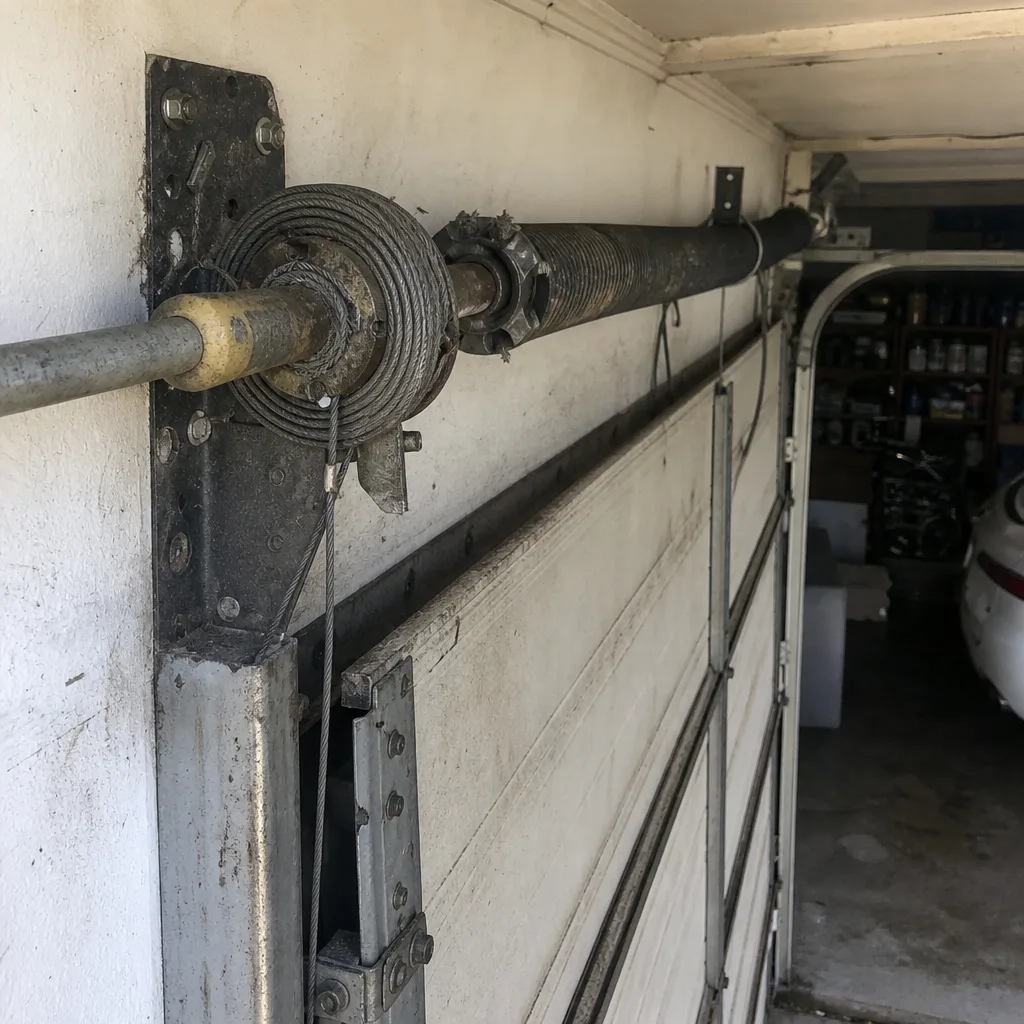 Before
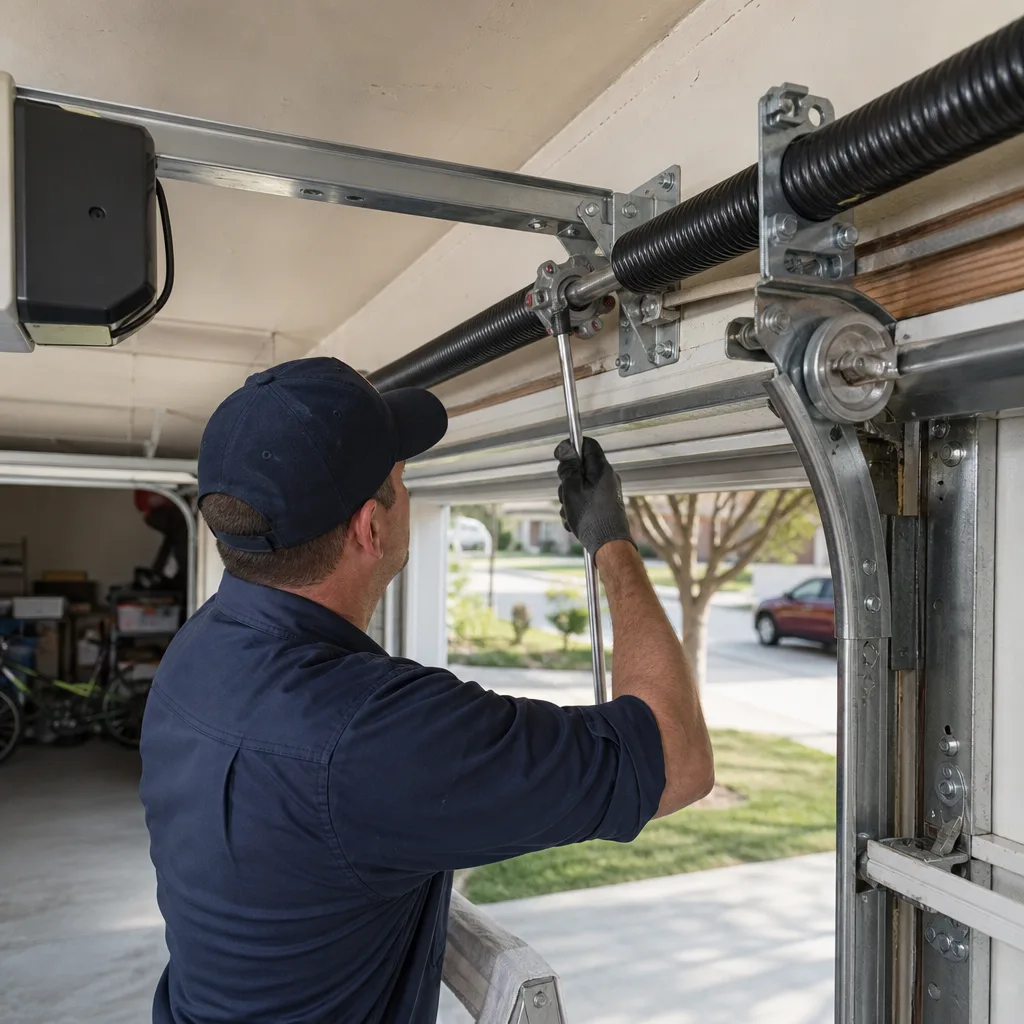 After
After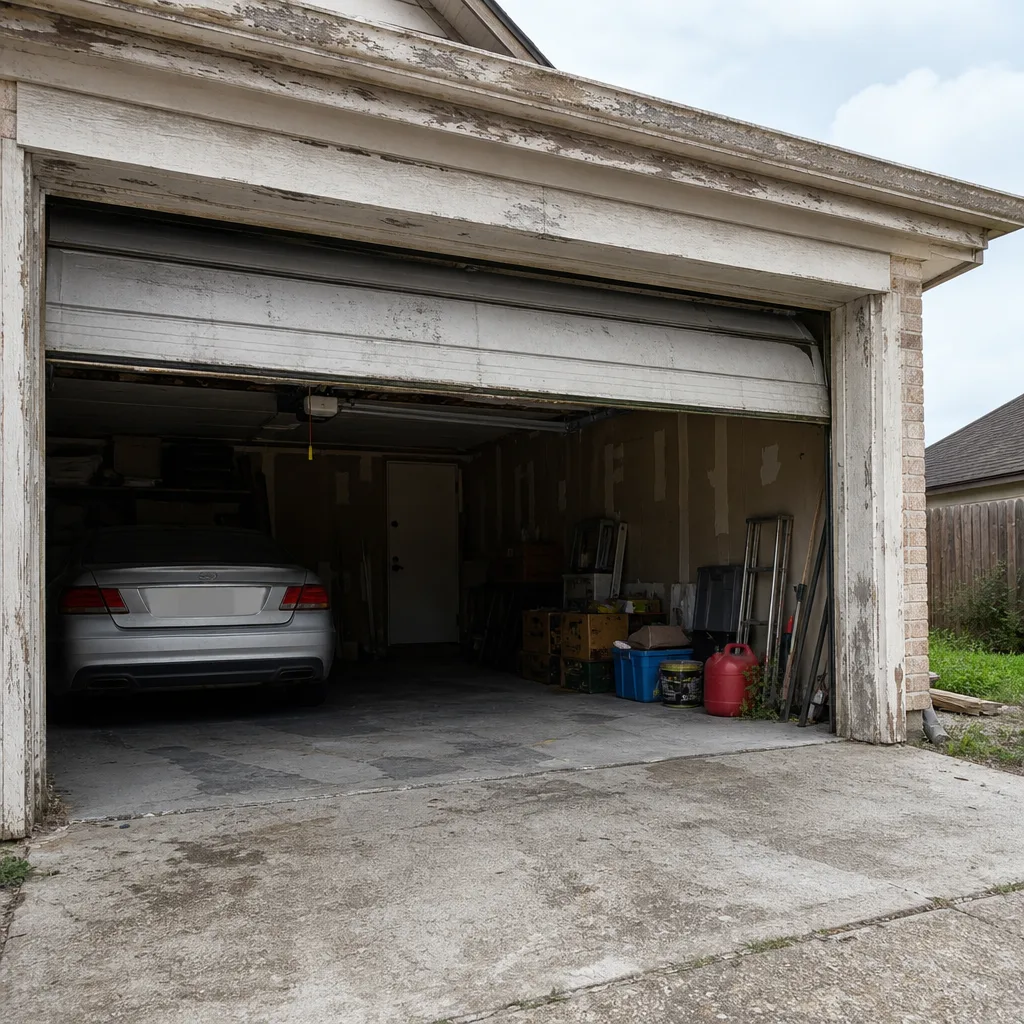 Before
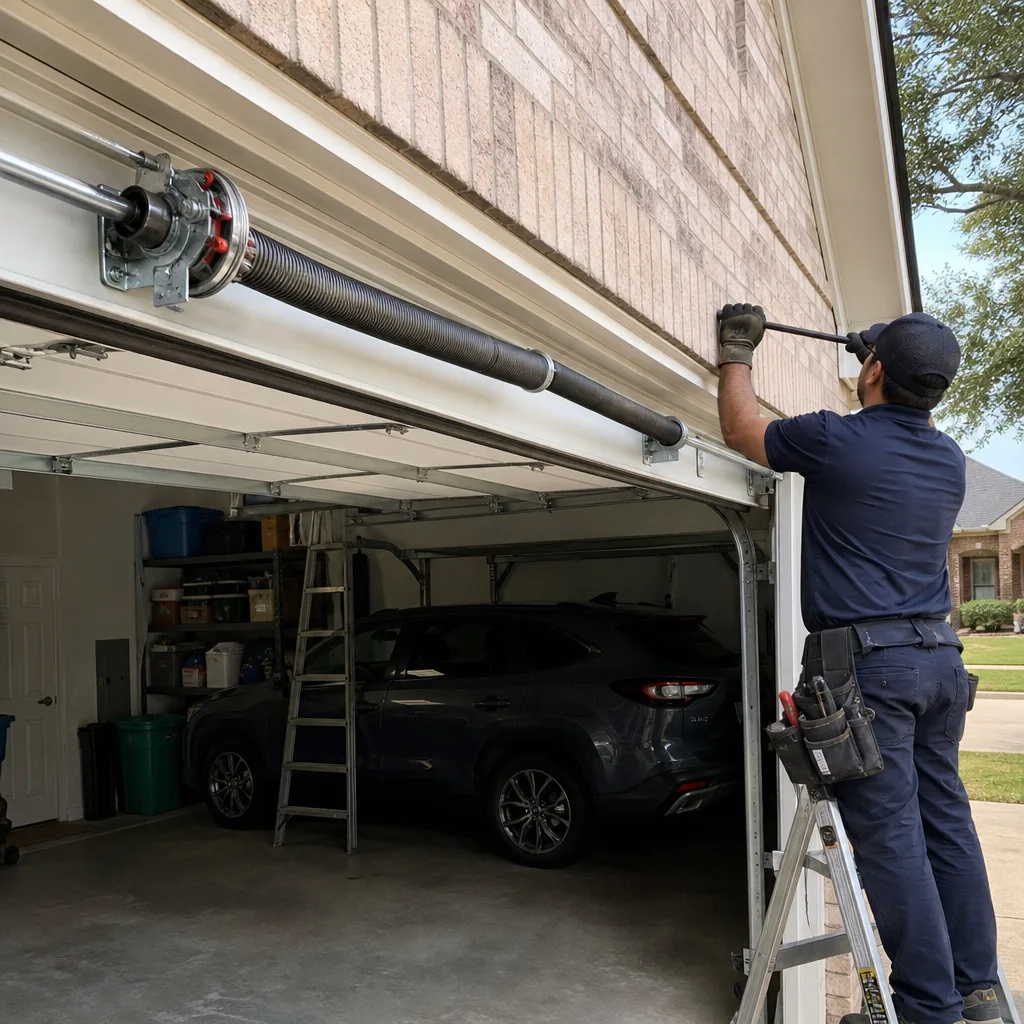 After
After