
Last updated October 16, 2026
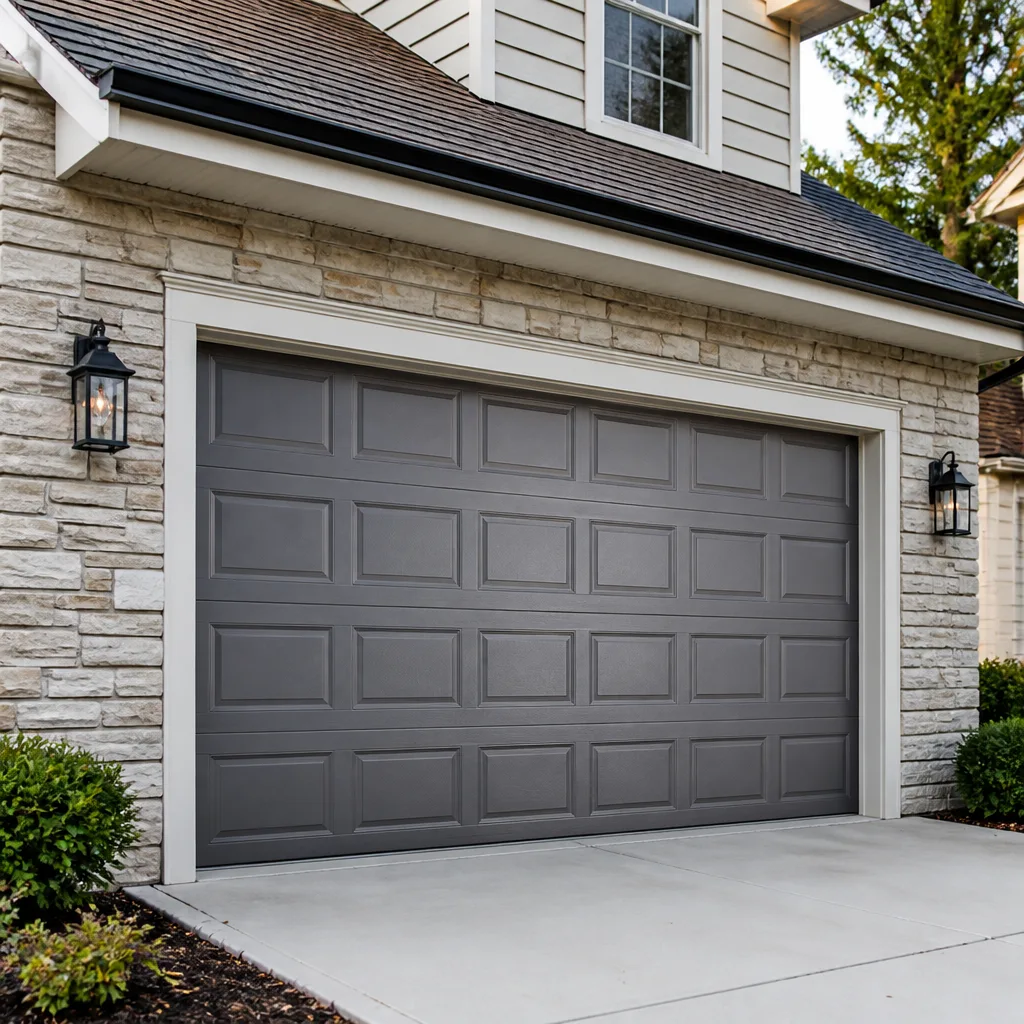 Raised-panel steel
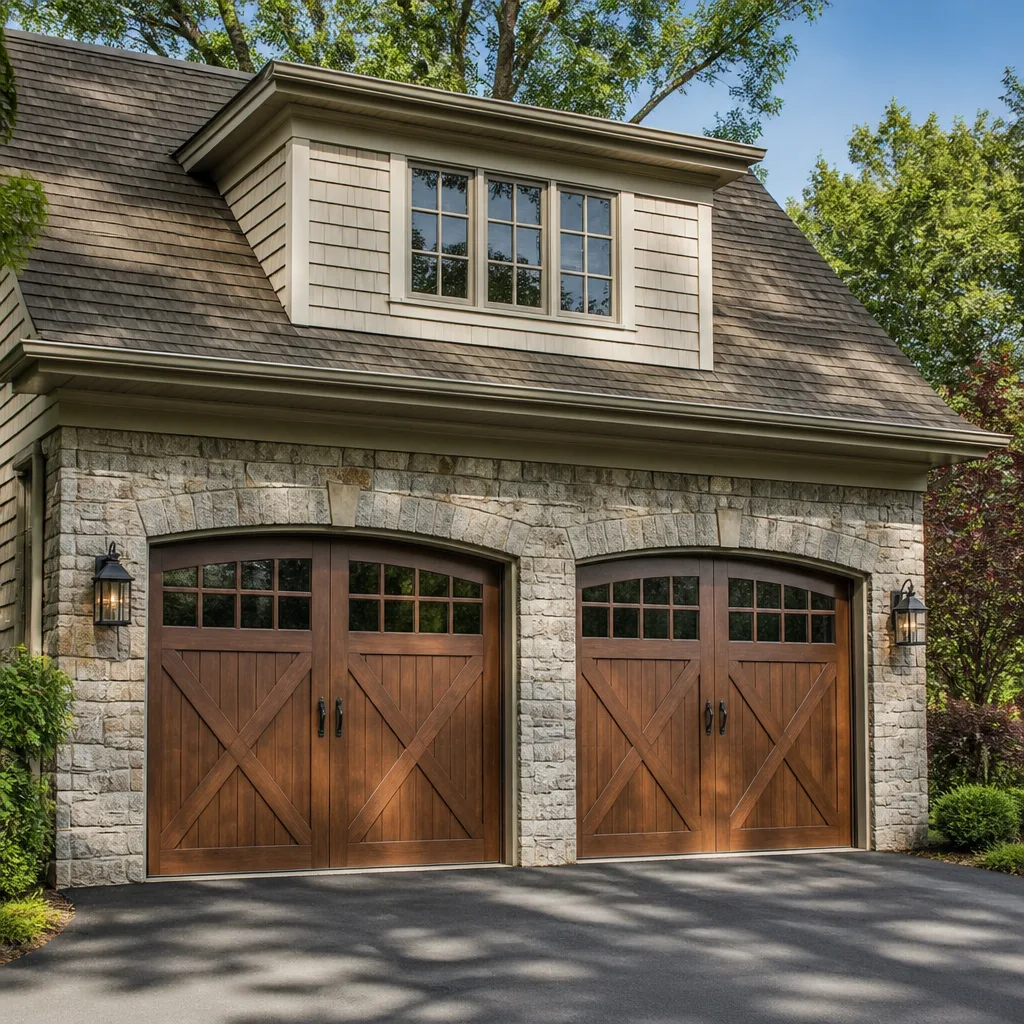 Carriage house
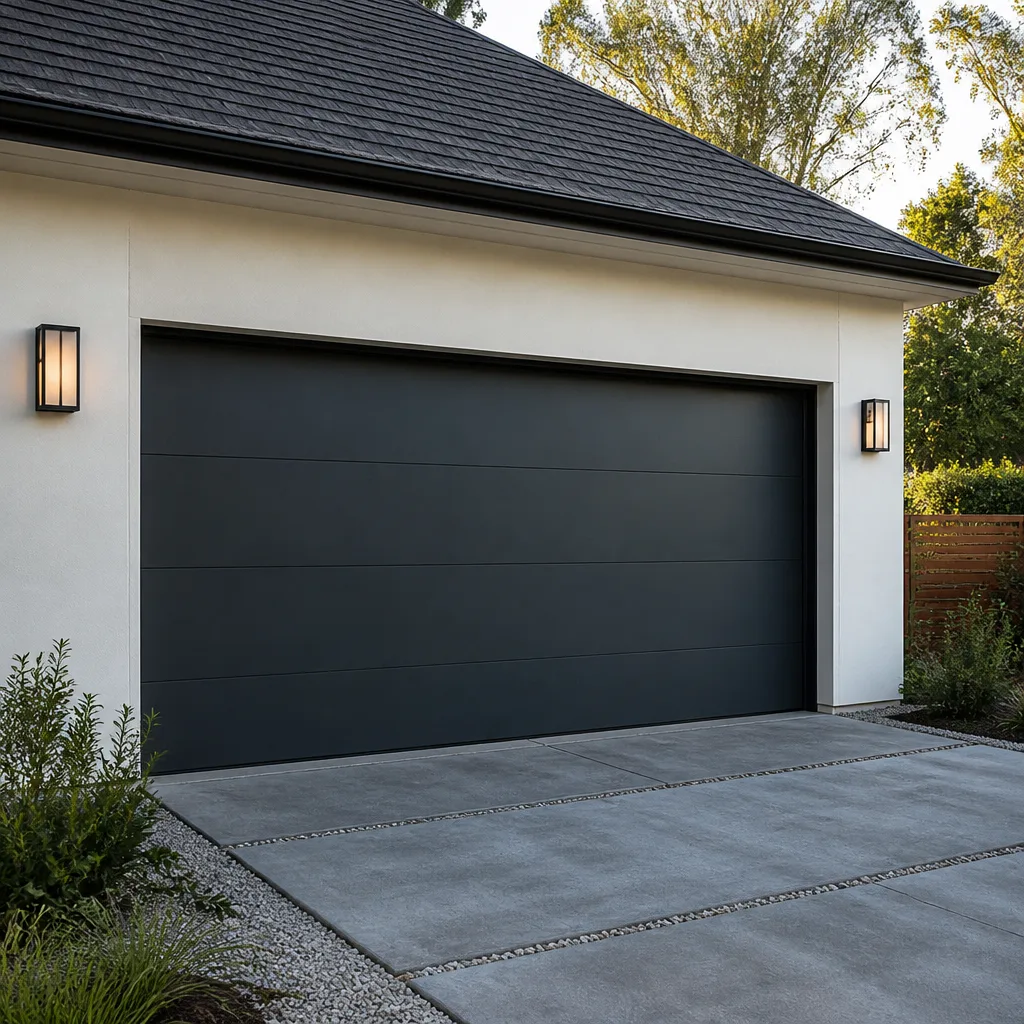 Modern flush
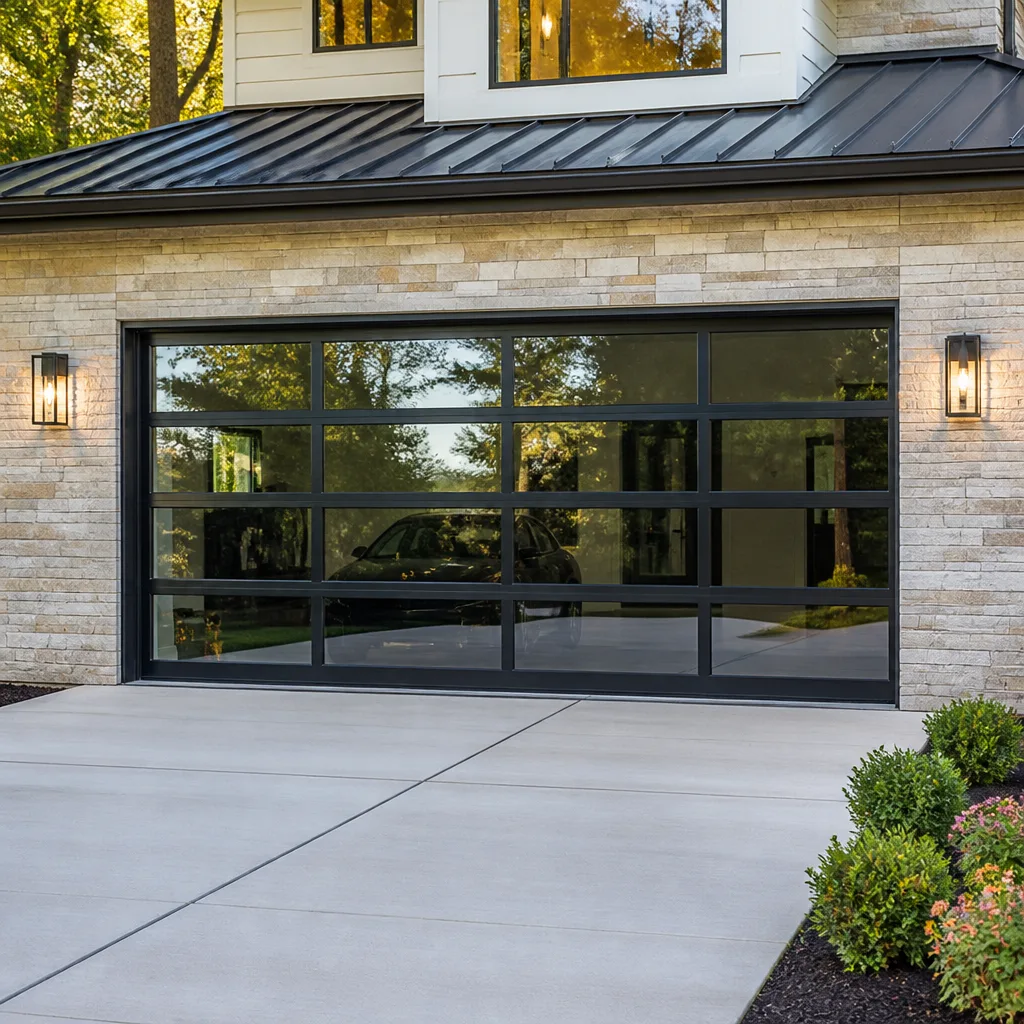 Full-view glass
 LiftMaster openers
 Chamberlain openers
Full 25-point door and opener safety check with every visit - springs, cables, rollers, tracks, and your LiftMaster or Chamberlain opener included
You get a price before we start. It does not change when the truck arrives.
Get your free estimateGarage Door Permits, Codes & Inspections in TX: What You Need to Know
In the City of Dallas, a full garage door replacement on an attached garage requires a building permit under Dallas Development Code Sec. 51A-2.102 – and most replacement contractors never mention that fact at the point of sale. They quote a door, schedule an install, and let the homeowner discover the missing permit three years later, when a resale inspection flags it or an insurance adjuster asks for the wind-load certification after a hailstorm. Texas homeowners face three overlapping layers of rules: the International Residential Code (IRC) adopted by the state, municipal amendments in cities like Dallas, Plano, and Frisco, and private HOA deed restrictions that can override both. This guide walks through each layer in plain terms, so you know exactly what approvals you need before installation day arrives, and our Garage Door Repair Maintenance Checklist for Dallas Homeowners can help you stay on track after the work is done.
Quick Answer
A garage door replacement permit in Dallas is required when the door serves an attached garage or when structural modifications to the opening are involved, and the permit typically costs between $75 and $250 depending on project valuation. Detached garage doors used solely for storage may be exempt under IRC Section R101.2, but any door on a home’s main structure needs a permit, a wind-load rating of at least 130 mph in most Dallas zip codes, and a final inspection before the job is legally closed. If you live in an HOA-governed suburb like Frisco, Plano, or Southlake, you also need written HOA approval before ordering the door – skipping that step can void both the architectural approval and the manufacturer warranty simultaneously.
Styles & brands we work with
Table of Contents
- Dallas Permit Requirements: What the City Actually Requires
- Texas Residential Code (IRC Chapter 30): The Statewide Baseline
- Wind-Load Ratings: Why Dallas Zip Codes Demand 130 mph Doors
- The HOA Layer: Deed Restrictions in Frisco, Plano, and Southlake
- What the Inspector Checks: A Step-by-Step Walkthrough
- What a ‘No-Permit’ Offer Really Risks
- How to Pull a Dallas Garage Door Permit: 5 Steps
- Common Mistakes to Avoid
- When to Call a Professional
- Frequently Asked Questions
Dallas Permit Requirements: What the City Actually Requires
Dallas Development Code Sec. 51A-2.102 lists the types of work that trigger a building permit, and garage door replacement on an attached garage is squarely on that list. The City of Dallas treats a garage door as part of the building envelope – same as a window, an exterior door, or a roof replacement. When you swap out the door, you are altering a structural opening, and the city wants to verify that the new door meets the wind-load requirements in the adopted IRC and that the installation does not compromise the wall bracing or header.
The permit application itself is relatively straightforward. You file through the Dallas Development Services Department, either online through the BuildDallas portal or in person at 7800 N. Stemmons Freeway. You will need the project address, a description of the work, the door manufacturer and model, and the wind-load rating of the door. The permit fee for a garage door replacement typically falls between $75 and $250 in Dallas, calculated from the project valuation using the city’s fee schedule.
Here is what changes the math:
- Attached garage door replacement: Permit required. No exceptions for “just swapping a door.”
- Detached garage under 200 square feet used for storage: May be exempt under IRC R101.2, but we always recommend calling the city to confirm before relying on the exemption.
- Door opening enlargement or header modification: Permit required, plus a structural engineer’s letter may be requested.
- Opener-only replacement: Generally no permit required, since the structural opening is unchanged. The opener still must meet UL 325 entrapment protection standards.
For homeowners within Dallas city limits, the permit process usually takes three to five business days for a simple door swap. Our team at Garage Door Installation in Dallas handles the permit paperwork as part of the installation, because we have seen too many residents discover the missing-permit problem only when a resale inspection catches it.
Texas Residential Code (IRC Chapter 30): The Statewide Baseline
The State of Texas adopts the International Residential Code, and Chapter 30 covers the sections that govern garage doors. This applies everywhere in the state – Dallas, Fort Worth, Arlington, Plano, Frisco – not just in municipalities with local amendments. IRC Section R309.1 sets the fire separation requirements for garages, which is why the door between your house and the garage is a fire-rated door. IRC Section R309.2 covers the garage door itself, and Section R612 covers exterior door and window wind resistance.
The key sections to know:
- IRC R309.2: Garage doors must be listed and labeled as conforming to ANSI/DASMA 115, the standard for garage door wind-load performance.
- IRC R612: Exterior openings, including garage doors, must meet the design wind pressure for the site. In practice, that means a minimum 130 mph wind-load rating in most Dallas zip codes.
- IRC R301.1: Establishes the basic wind speed map. Dallas County falls in the zone requiring doors rated for 115 to 130 mph depending on the exact zip code and exposure category.
- UL 325: The federal safety standard for automatic garage door openers, covering entrapment protection, force limits, and the photo-eye sensors that reverse the door when a child or pet breaks the beam.
In our experience across Dallas, the wind-load rating is the section most often ignored by low-bid installers. A door without a DASMA 115 label looks identical to a compliant door. It costs less. It installs in the same afternoon. And it fails the city inspection for the same reason it will fail an insurance claim after the next hailstorm: the door was never rated for the wind zone it sits in.
Wind-Load Ratings: Why Dallas Zip Codes Demand 130 mph Doors
Dallas County sits in a wind zone that requires exterior openings to withstand design wind speeds between 115 and 130 mph, depending on the zip code and the exposure category of the home. A house on a flat, treeless lot in a north Dallas subdivision faces different wind pressures than a house tucked into a wooded lot near White Rock Lake. The IRC wind map assigns each property a rating requirement, and the garage door must match or exceed it.
Why this matters for your insurance claim: after a severe thunderstorm or tornado, insurance adjusters routinely check whether the damaged garage door carried the proper wind-load rating for the property. If the door was installed without a permit or with a non-rated door, the adjuster can deny the claim on the grounds that the door was not built to code for the site. We have spoken with Dallas homeowners who lost a five-figure claim because a previous contractor installed an inexpensive, non-rated door and told them “it’s all the same” - a red flag covered in our Garage Door Warning Signs: A Dallas Homeowner’s Reference Guide.
Here is the practical breakdown for Dallas-area homeowners:
- Minimum wind-load rating in Dallas zip codes: 130 mph for attached garage doors in exposed locations; 115 mph may suffice in sheltered ones. Confirm your exact requirement with the city or your installer.
- How the rating is proven: The door carries a DASMA 115 label and the manufacturer provides a wind-load certification document. Keep this document. You will need it for the permit inspection, the resale transaction, and potentially an insurance claim.
- What happens when the door is under-rated: The city inspector will fail the installation, and the permit cannot close. The manufacturer warranty may also exclude wind damage. The homeowner is exposed on all sides.
- Doors built for the Dallas market: Manufacturers like Clopay, Amarr, and Wayne Dalton produce doors engineered for north Texas wind zones. A Clopay door rated for 130 mph costs more than a generic door rated for 90 mph, and the difference is exactly what you are paying for: a door that meets the code the city enforces.
Our Garage Door Repair in Dallas team verifies the wind-load rating on every door we touch, because we consider it part of the repair conversation. If your door is already installed and you questions remain about its rating, we can check the manufacturer label and tell you where you stand – before the next storm, not after.
The HOA Layer: Deed Restrictions in Frisco, Plano, and Southlake
City code and state code are not the only layers. In HOA-governed DFW suburbs – Frisco, Plano, Southlake, McKinney, Allen, and most master-planned communities – the deed restrictions create a third set of rules that sits on top of the municipal and state requirements. An HOA can regulate the style, material, color, and even the presence of windows in the design of your garage door. A city permit does not override an HOA restriction, and an HOA approval does not satisfy a city permit. You need both, and they are entirely separate processes.
Here is the risk most homeowners do not see coming: if you install a garage door that violates your HOA’s architectural standards, the HOA can require you to remove it and replace it at your own expense. That means the door you just bought, the opener you just installed, and the labor you just paid for are all a write-off. Some HOAs in Frisco and Southlake have a 30-day review window for architectural changes, which means a homeowner who skips the approval and installs a door anyway can face a removal order before the first month is over.
The warranty angle makes it worse. Garage door manufacturers like Clopay, Amarr, and Genie include language in their written warranties stating that the warranty applies only when the door is installed in compliance with all applicable laws, codes, and deed restrictions. If your HOA has a rule that required a specific door style and you installed a different one, the manufacturer can reasonably argue that the door was not installed in compliance with the deed restriction – and deny a future warranty claim for spring failure, panel delamination, or hardware breakage. The HOA violation and the warranty void happen at the same time.
What to do before ordering a door in an HOA community:
- Request a copy of the architectural guidelines from your HOA management company. These are usually a separate document from the CC&Rs.
- Submit an architectural change request with the manufacturer’s spec sheet, a photo of the proposed door, and a color sample.
- Get the approval in writing before placing the order with any installer. Verbal approvals from a neighbor on the committee do not count.
- Keep the approval letter with your closing documents. You will want it if you sell the house and the buyer’s HOA questionnaire asks whether all exterior changes were approved.
For homeowners in Dallas proper, HOAs are less common outside of planned developments, but they exist in neighborhoods like Lake Highlands and some East Dallas pockets. The same rule applies: check your deed restrictions before you buy.
What the Inspector Checks: A Step-by-Step Walkthrough
Once the permit is pulled and the door is installed, the City of Dallas requires a final inspection before the permit can close. The inspector visits the property, walks to the garage, and verifies that the installation matches the approved permit and meets the adopted code. Most garage door inspections take 10 to 20 minutes. Knowing what the inspector checks helps you pass the first time.
Here is what a Dallas garage door inspector actually looks at:
- Wind-load label: The inspector checks for the DASMA 115 label and the wind-load rating. If the label is missing or the rating does not match the approved permit, the inspection fails on the spot.
- Spring type and mounting: The inspector confirms the torsion spring – the large coil mounted above the door that does most of the lifting – is secured to the header with proper mounting pads and center bearing. A spring that shifts under tension is a red flag.
- Opener force limits: The inspector runs the door through an open and close cycle while checking that the force settings reverse the door when it encounters resistance. This is part of UL 325 compliance.
- Entrapment protection: The photo-eye sensors at the bottom of the door opening must be mounted no higher than 6 inches off the floor, aligned, and wired so the door reverses when the beam is broken. The inspector will test this with an object in the door’s path.
- Manual release: The emergency release cord must be accessible and functional, so the door can be disengaged from the opener during a power outage.
- Weather sealing and flashing: The inspector confirms the bottom weather seal is installed and the exterior trim is properly flashed to prevent water intrusion into the garage.
If the installation fails, the inspector issues a correction notice, and the contractor or homeowner has a set window to fix the issue and schedule a re-inspection. A failed inspection costs extra money and delays the permit close. In our experience, the most common failures in Dallas are missing wind-load labels on bargain doors and photo-eye sensors mounted above 6 inches, a height that small children and pets can pass under.
What a ‘No-Permit’ Offer Really Risks
Every Dallas homeowner has heard a contractor say some version of this: “You don’t need a permit for a garage door replacement – we do these all the time.” The contractor means well sometimes. They are trying to save you a little money and a trip to the Development Services office. But the saving is small, and the risk is not.
Here is what skipping the permit actually costs when it goes wrong:
- Voided manufacturer warranty: Genie, LiftMaster, Clopay, and Chamberlain all condition their written warranties on installation that complies with applicable code. A door installed without a required permit is not compliant, full stop. A future spring failure or panel defect can be denied.
- Failed resale inspection: Buyers in Dallas increasingly hire inspectors who check for open permits on the property. An unpermitted garage door replacement shows up as a red flag, and the seller either pays to legalize the work after the fact or loses the deal.
- Out-of-pocket liability: If the garage door injures someone – a spring breaks, the door falls, or the opener fails to reverse – the homeowner’s insurance company will investigate the installation. An unpermitted, uninspected door gives the insurer a reason to deny the liability claim and leave the homeowner responsible for the medical bills and legal fees.
- Post-hoc permit cost is higher: The city can require a permit after the fact when the work is discovered, and post-hoc permit fees are generally higher than the original fee. The “saving” from skipping the permit evaporates.
- Code enforcement exposure: Neighbors report unpermitted work. HOAs flag exterior changes during drive-by reviews. Dallas Code Compliance can issue a citation that compounds until the permit is pulled and the inspection passes.
The honest position is simple: a legitimate contractor pulls the permit, schedules the inspection, and builds both into the written price. If the person quoting your door does not mention permits at all, ask directly. If the answer is “you don’t need one,” get a second opinion before you sign anything.
How to Pull a Dallas Garage Door Permit: 5 Steps
If you are handling the permit yourself or want to know what your contractor should be doing, here is the process in Dallas:
- Confirm the requirement. Call the Dallas Development Services Department or check the BuildDallas portal. Tell them you are replacing a garage door on an attached garage and ask for confirmation that a permit is required. Get the reference in writing if you can.
- Gather the door specifications. You will need the manufacturer, model number, door dimensions, and wind-load rating. The manufacturer’s spec sheet for Clopay, Amarr, or Wayne Dalton doors provides all of this. If your installer cannot produce a wind-load rating, that is a warning sign.
- File the permit application. Submit through BuildDallas or in person. Pay the permit fee, which typically ranges from $75 to $250 for a garage door replacement in Dallas, depending on the project valuation.
- Install the door. The installation must match the approved permit exactly. If you change the door model after approval, amend the permit first.
- Schedule the final inspection. Once the door is installed and the opener is set up, call or log in to schedule the inspection. The inspector will verify the wind-load label, spring mounting, UL 325 entrapment protection, and weather sealing. Pass, and the permit closes.
Every installation we complete through Garage Door Installation in Dallas includes this permit process in the written price. You see the permit fee, the inspection scheduling, and the door cost as separate line items before any work starts.
Common Mistakes to Avoid
- Assuming the contractor pulled the permit. Some contractors say they will handle permits and never file. Ask for the permit number before installation day, and verify it on the BuildDallas portal.
- Choosing a door by price before checking the wind-load rating. A cheaper door that is rated for 90 mph will fail a Dallas inspection and put an insurance claim at risk. Match the door rating to the site requirements first.
- Skipping HOA approval because “nobody will notice.” HOAs in Frisco and Plano notice, often within the same month. A removal order after the fact means paying for the door twice.
- Keeping the wind-load certification in a drawer far from the paperwork. File the DASMA 115 label information with your house documents. You will need it for resale and for any future insurance claim.
- Replacing an opener without checking entrapment protection. UL 325 requires photo-eye sensors and force limits. An opener installed without working sensors fails inspection and creates a genuine safety hazard for children and pets.
- Ignoring the permit because “it’s just a garage door.” The city does not see it that way, and neither does the insurance adjuster after a storm. The permit is cheap insurance.
- Paying a deposit before the HOA approval is in writing. If the HOA rejects the door style, you want to be able to walk away from the order or change the spec. A non-refundable deposit on a door the HOA rejects is money gone.
When to Call a Professional
Some homeowners are comfortable pulling their own permits and managing the inspection. Many are not, and neither group should be doing the physical installation themselves. Garage door springs carry enough tension to cause serious injury, and the photo-eye sensor wiring involves electrical work that sits alongside the entrapment safety system. If any of these apply to you, call someone who does this work every day: the door will not meet wind-load requirements and you need a recommendation for a compliant replacement; the HOA approval process feels confusing and you want guidance on the documentation; the previous contractor skipped the permit and now you need to legalize the work; or the inspection failed and you need the corrections handled correctly the second time.
Doyle Garage Doors Dallas home offers free estimates across Dallas – call (972) 362-1457 and a live person answers, day or night. We will tell you upfront whether a permit applies to your project and walk you through the HOA documentation if your neighborhood requires it.
Frequently Asked Questions
Yes, if the garage is attached to your home. Dallas Development Code Sec. 51A-2.102 requires a building permit for garage door replacement on an attached garage. Detached garages used only for storage may be exempt under IRC R101.2, but confirm with the city before relying on the exemption. Call (972) 362-1457 and we can help you determine whether your project needs a permit.
A garage door replacement permit in Dallas typically costs between $75 and $250, calculated from the project valuation using the city’s fee schedule. The fee is paid when the permit application is filed, and the inspection is scheduled after installation.
Most Dallas zip codes require a minimum 130 mph wind-load rating for garage doors in exposed locations. The exact requirement depends on your zip code and the wind exposure category of your home, as defined in IRC R301.1. The door must carry a DASMA 115 label proving the rating.
Yes. HOA deed restrictions in most DFW suburbs require written architectural approval before you install a new garage door, and those rules cover style, material, and color on top of city code. Installing a non-compliant door can trigger a removal order and void the manufacturer warranty.
The city can require a post-hoc permit with higher fees, the manufacturer warranty can be voided, a future resale inspection can flag the work, and an insurance claim involving the door may be denied. The permit is the cheapest part of the project and protects all the other parts.
Generally yes. A permit is not required for opener-only replacement in Dallas, since the structural opening is unchanged. The new opener still must meet UL 325 entrapment protection standards, with working photo-eye sensors and properly set force limits.
Ask for the permit number before installation day, then verify it on the Dallas BuildDallas portal. A licensed contractor should be able to produce the number immediately. If they hesitate or explain why you do not need one, get a second opinion.
The 365-Day Done Right Promise from Doyle Garage Doors Dallas means every repair is covered in writing for 365 days from the date of repair. If the repair fails within that year, we come back and make it right at no charge – a free second visit, no argument required. That guarantee is included on every repair, in writing, every time.
The Bottom Line
The permit conversation is the conversation most garage door contractors avoid because it adds a step and a fee and a city inspection. But that conversation is exactly what separates a legitimate installation from a liability. A Dallas garage door replacement on an attached garage needs a permit, a 130 mph wind-load rating, and a final inspection. An HOA property in Frisco, Plano, or Southlake needs written architectural approval on top of that. The permit costs less than the deductible on the insurance claim it protects. If you work with a contractor who puts every price in writing before work starts and pulls the permit as part of the job, you never have to think about this twice. If you are not sure where you stand, call (972) 362-1457 – a real person answers, and the advice is free. For more guides & resources on garage door ownership in Dallas, visit our blog.
Written by Aaron Teague, Owner at Doyle Garage Doors Dallas, serving Dallas since 2001.
See the difference
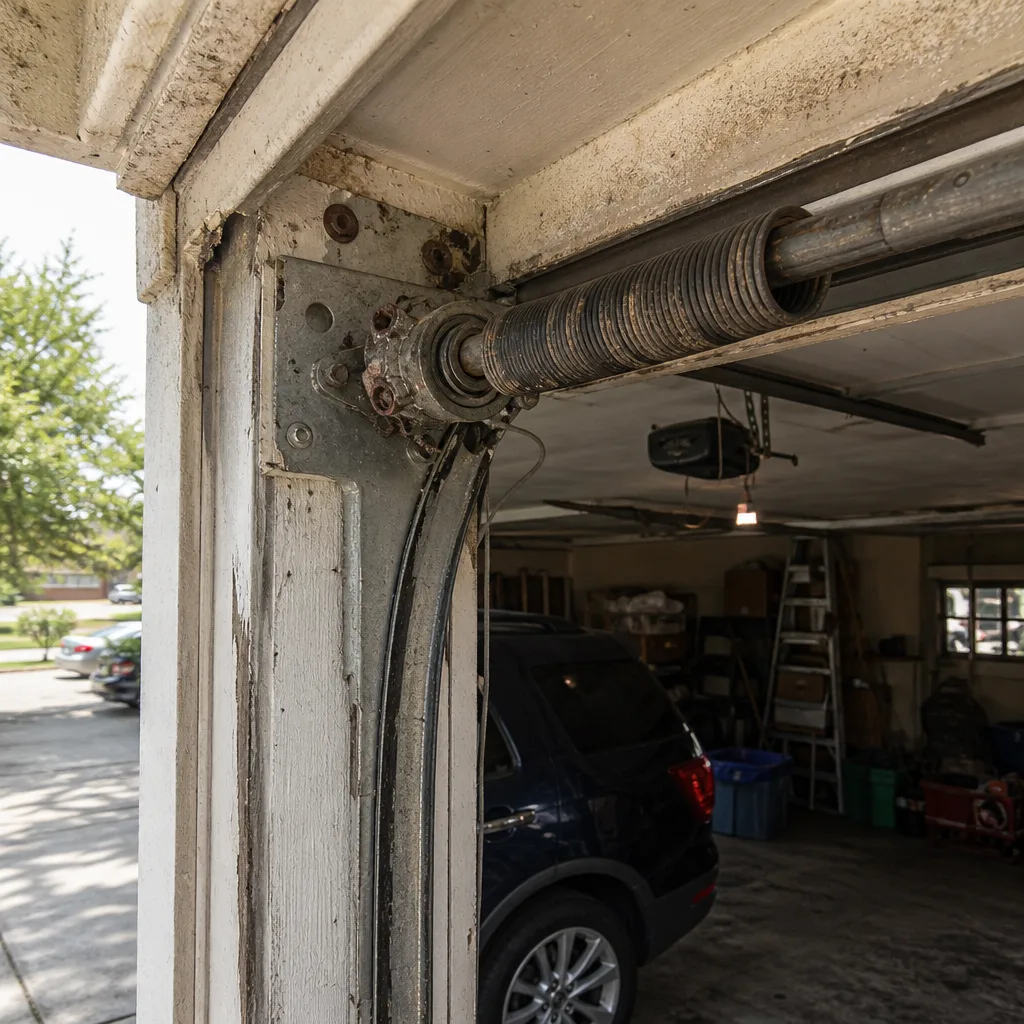 Before
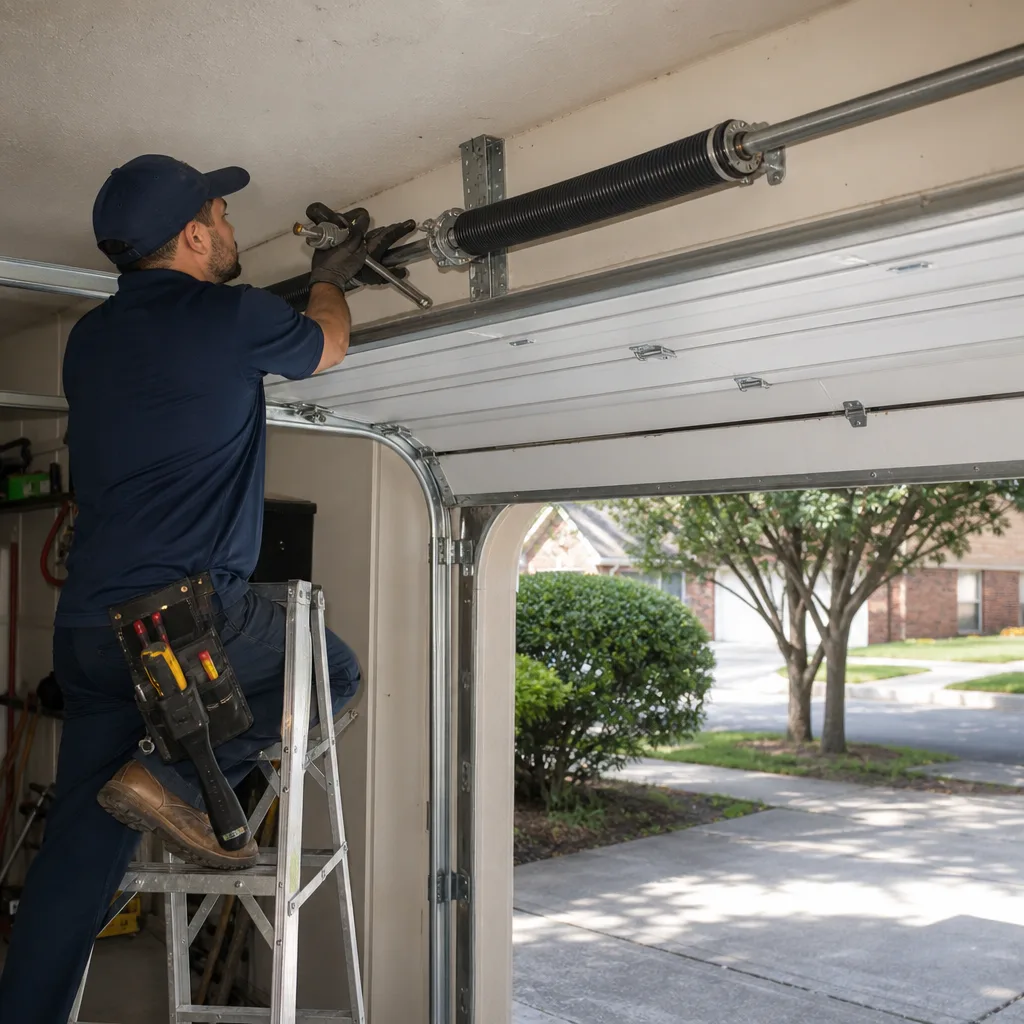 After
After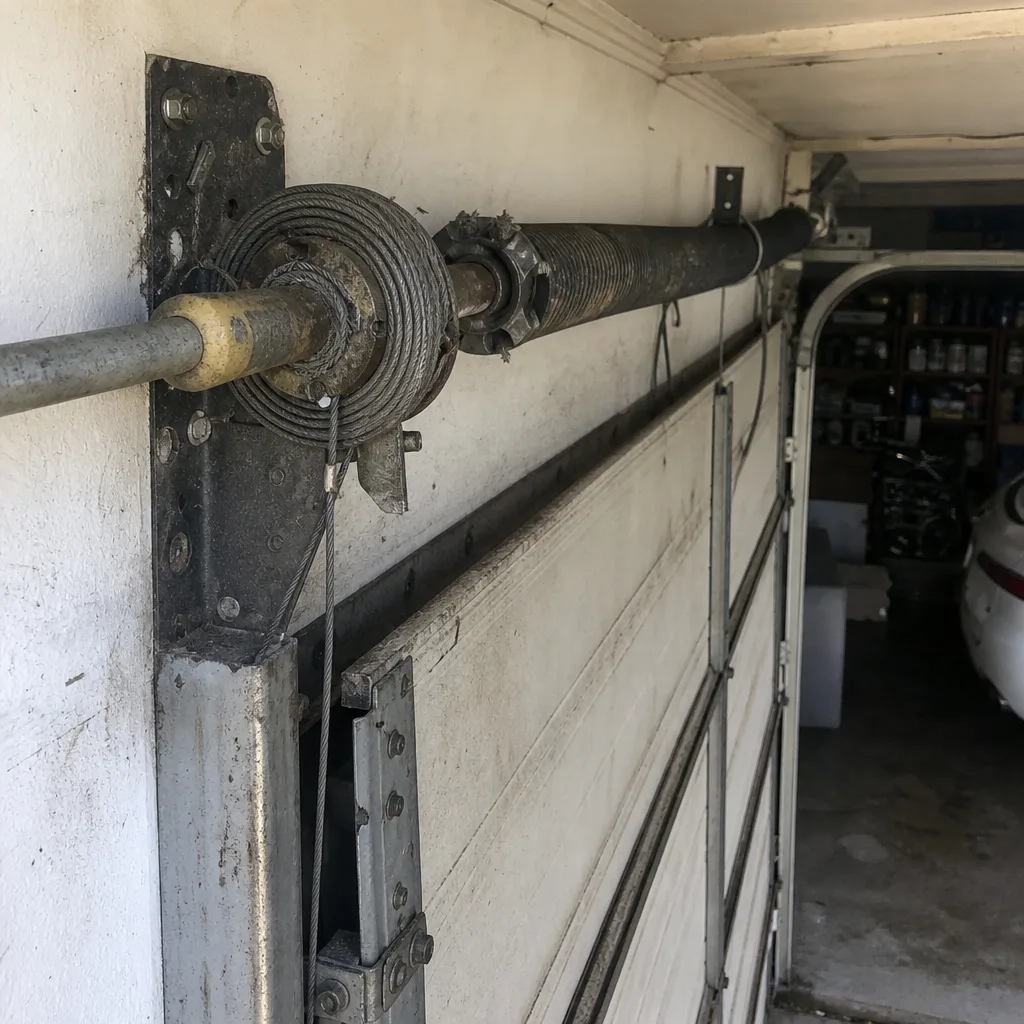 Before
 After
After Before
 After
After